
Denmark’s Frederiksen bruised in election, as voters put Trump’s Greenland ambitions to the side
Denmark’s Frederiksen bruised in election, as voters put Trump’s Greenland ambitions to the side
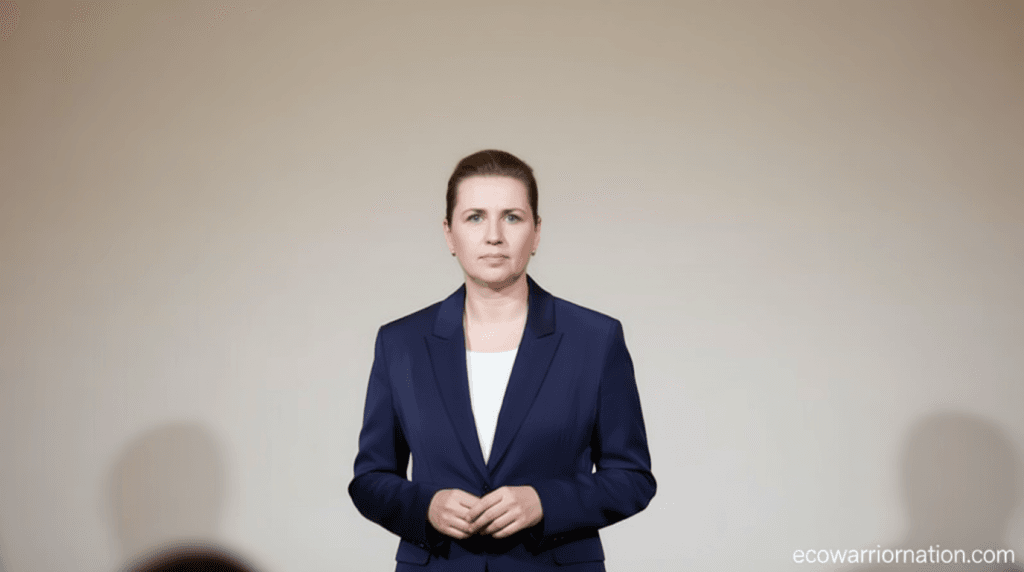
Denmark’s recent election concluded with a split decision, leaving Prime Minister Mette Frederiksen’s political future uncertain. The race centered on everyday concerns, shifting attention away from her management of the controversy surrounding U.S. President Donald Trump’s interest in Greenland. Official results indicated that Frederiksen’s center-left Social Democrats lost traction compared to the 2022 election, as did her coalition partners. Neither the leftist nor the rightist factions secured a majority in the parliament, positioning Foreign Minister Lars Løkke Rasmussen, a former leader, as a pivotal figure in determining the next government.
Rasmussen’s Moderate Party, which holds 14 seats in the 179-member Folketing, now has the leverage to decide whether Frederiksen can continue leading the EU and NATO member country. Despite this, the 48-year-old premier asserted her readiness to remain in office, emphasizing the need for stability amid global uncertainties. “The world is unsettled. There are strong winds around us,” she remarked. “Denmark needs a stable government, a competent government. We are ready to take the lead.”
Rasmussen urged opposing parties to temper their campaign positions, advocating for unity. “Denmark is a small country of 6 million people in a world of 8 billion, which is in upheaval — and there is war in Iran, and there is war in Ukraine,” he explained. “We are one tribe. We must come together. We must not be divided.”
While Trump’s potential control of Greenland remained a backdrop, voters prioritized domestic matters. Defense Minister Troels Lund Poulsen’s Liberal Party, a key right-wing contender, signaled its intent to break from Frederiksen’s Social Democrats. The Social Democrats retained the largest party status, but their vote share dropped to 21.9%, significantly lower than the 27.5% recorded in 2022. Frederiksen, known for her steadfast support of Ukraine and strict migration policies, had hoped to solidify her position through the election.
Frederiksen called the election in February, several months ahead of the mandated schedule. She aimed to leverage her firm stance against Trump’s Greenland push, rallying European allies to Denmark’s side. However, rising living costs, pension debates, and a proposed wealth tax became major campaign topics, drawing attention away from her international efforts. With no single party expected to secure a majority, Denmark’s proportional representation system will likely lead to coalition negotiations, traditionally involving left-leaning “red bloc” or right-leaning “blue bloc” groups.
Frederiksen acknowledged the decline in her party’s support, noting that a 4% drop over nearly seven years was typical for a leader seeking re-election. “We have weathered the pandemic; we have had to deal with war. We have been threatened by the American president,” she said, highlighting the challenges faced during her tenure. Meanwhile, Greenland, which had consumed significant governmental focus, became a minor issue in the campaign due to widespread consensus on its status within the Danish realm. Technical discussions on an Arctic security agreement between the U.S., Denmark, and Greenland have since eased tensions over Trump’s initial threats.
“Our government has had a lot of focus on Ukraine and I think we have lost a little bit in domestic votes for that,” said Social Democrat Morten Klessen, reflecting on the outgoing administration’s priorities. He stressed the importance of maintaining Frederiksen’s leadership for European solidarity. Despite the setback, Frederiksen maintained that her party’s performance was in line with expectations for a third term. “It was normal for a party seeking a third term to lose ground,” she added, citing the 25.9% vote share her party received in 2019 as a benchmark.
The Folketing, Denmark’s single-chamber legislature, is elected every four years. Currently, 175 seats are held by Danish lawmakers, with two each allocated to representatives from Greenland and the Faroe Islands. As coalition talks unfold, the outcome will hinge on balancing competing interests while addressing the nation’s immediate challenges.
