
Trump and Greenland loom over Denmark’s snap election, but voters appear focused on other issues. Here’s what to know
Trump and Greenland loom over Denmark’s snap election, but voters appear focused on other issues. Here’s what to know
The Campaign’s Core Message
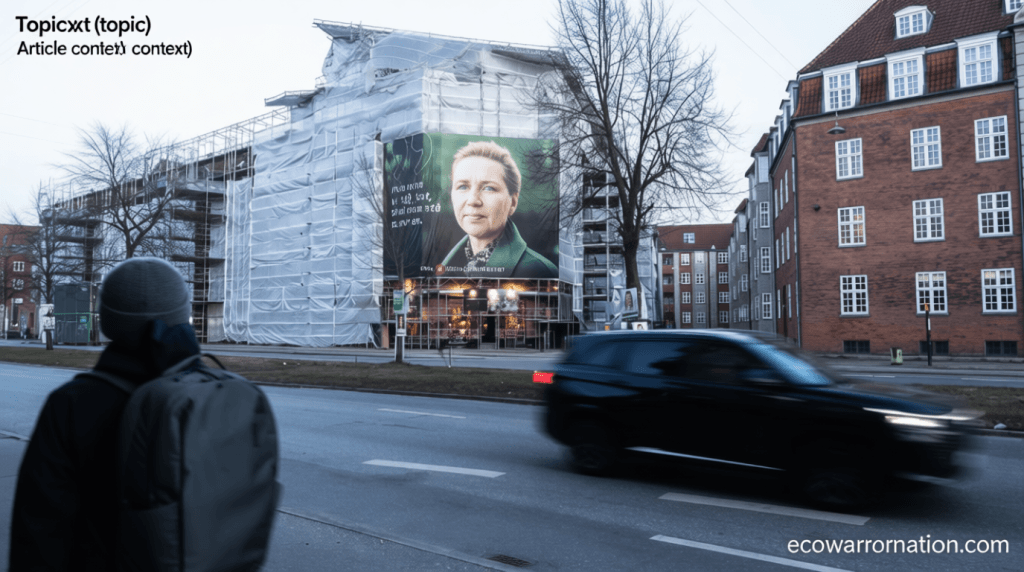
Denmark’s Prime Minister Mette Frederiksen is promoting a message of stability as she prepares for Tuesday’s general elections. This strategy aims to leverage her recent diplomatic maneuvering with the Trump administration over Greenland’s status, positioning her as a leader who can navigate global uncertainties. Frederiksen’s international standing has grown through her firm stance on the war in Ukraine, the sabotage of the Nord Stream pipeline, and the threats posed by former U.S. President Donald Trump.
Domestic Concerns Take Center Stage
While international debates about Greenland and the transatlantic alliance dominate global attention, Danish voters are shifting their focus to more immediate concerns. Ulrik Pram Gad, a senior researcher at the Danish Institute for International Studies, noted that the campaign has become centered on daily economic issues. “The discussion is basically about bread-and-butter matters,” Gad explained. “She attempted to harness the ‘rally around the flag’ effect, but it’s more about current momentum. As soon as debates began, the focus turned to the economy and environmental policies.”
A Tough Political Landscape
Denmark’s voters are grappling with a cost-of-living crisis and rising inequality. Other contentious topics include the country’s long-standing nuclear energy ban and its strict immigration laws. Even niche issues, such as the welfare of farm pigs, have sparked local debates. Frederiksen, 48, is vying for her third term, but critics argue she hasn’t sufficiently addressed Denmark’s soaring housing, food, and energy prices.
In her final campaign push, she pledged to step in with food and heating support if the war in Iran worsens inflation. The center-right Liberal party, led by Defense Minister Troels Lund Poulsen, is polling at 10.1%, advocating for tax cuts and tighter immigration controls. Meanwhile, 34-year-old Alex Vanopslagh of the Liberal Alliance has also emerged as a contender, though his campaign faced a setback due to a cocaine scandal.
Fragmented Politics and Coalition Dynamics
Denmark’s election system is complex, with 12 major parties competing. This typically results in coalition governments where compromises are inevitable. When races are close, as they often are due to the fragmented political landscape, Greenland’s two parliamentary representatives can significantly influence the outcome. “These representatives usually avoid meddling in domestic politics, but in tight elections, their votes can tip the balance,” Pram Gad told CNN.
According to Megafon polls, the “Red Bloc”—a coalition of left-leaning parties including Frederiksen’s Social Democrats—currently leads with 86 seats. A majority would require 90 seats in Denmark’s 179-member parliament. The “Blue Bloc,” representing right-leaning parties, is projected to secure 78 seats. If the Moderates, led by Foreign Minister Lars Løkke Rasmussen, join their ranks, their total could climb to 89. This would position the Moderates as a key player in shaping the next government.
“They are reluctant to interfere in Danish domestic affairs, but in close elections, their parliamentary presence becomes decisive.”
