
Are you contributing to ‘maternal invisibility’? How to stop
Are you contributing to ‘maternal invisibility’? How to stop
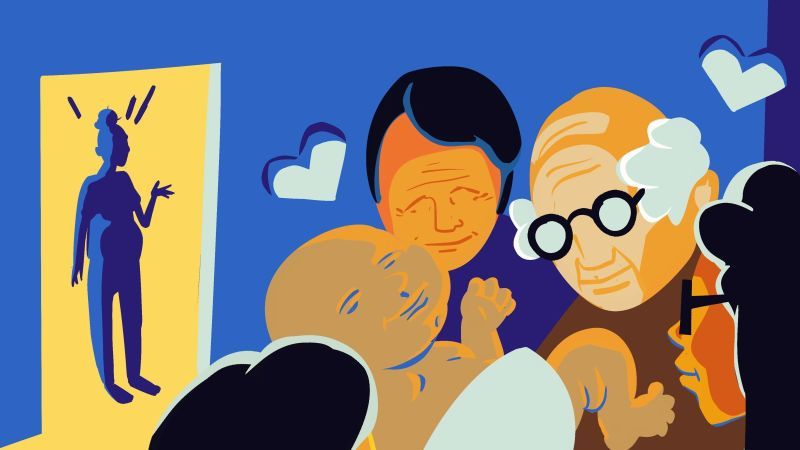
Katherine’s pregnancy this summer brought a new kind of attention. Strangers began touching her swollen abdomen without consent, and medical staff in labor and delivery units referred to her as “mama” instead of her actual name. Looking back, these moments marked the beginning of her feeling sidelined—her identity and effort overlooked in favor of the baby’s presence. “They were ignoring the woman I’ve known my whole life: a dedicated friend, spouse, and sibling, a passionate singer and theater enthusiast,” she recalled. “She’s a hard worker, and yet, they were only seeing the future mother.”
Since giving birth to her daughter, Katherine has noticed this shift intensifying. “I told my husband I felt like my value changed after having a baby,” she said. “It’s as if I’m pushed to the background. My daughter is precious, and everyone wants to adore her. But I endured nine months of carrying her and suffered through labor—yet it’s all about the baby now.” Some even bluntly told her, “It’s not about you anymore.” During visits, they often neglected her postpartum needs, distracted by their admiration for the newborn.
“We’re no longer friends,” Cox said. “Some of you are bad friends, and that’s why you’re lonely.”
Siobhán Alvarez-Borland, a postpartum doula in metro Atlanta, highlighted that this erasure is widespread, affecting mothers disproportionately. Social media amplifies the issue, with videos portraying aunts and grandparents rushing to the baby while dismissing new parents. “Even well-meaning comments can be harmful,” Alvarez-Borland noted. “They chip away at parents’ mental health, self-worth, and sense of belonging.”
Alvarez-Borland explained that awareness is key to addressing maternal invisibility. “Understanding how we might unintentionally devalue a mother’s experience can help us support her more effectively,” she said. “It challenges the assumption that postpartum care is only about the baby, not the parent.”
Chelsey Cox, a 31-year-old mother of three, shared her frustration when a girlfriend prioritized the baby over her own needs. “She called me selfish for wanting appreciation,” Cox said. Her viral Instagram and TikTok post, “Do not offer to babysit,” sparked conversations about how people often forget the parents in their excitement over the child.
Evolutionary instincts also play a role, according to Alvarez-Borland. “Babies are inherently engaging, and watching them is effortless,” she said. “But this can lead to a fixation on the infant, sidelining the parents.” Cox added that this behavior, while common, often stems from unspoken biases. “The belief that a woman’s role is primarily to nurture the child can diminish her sense of self,” said Dr. Caitlyn Collin. These values, whether subconscious or overt, continue to marginalize mothers in postpartum life.
