
Travel bug fears: Doctors urge Brits jetting off abroad over Easter to be extra vigilant amid rise in holidaymakers returning with diseases such as gonorrhoea, malaria and measles
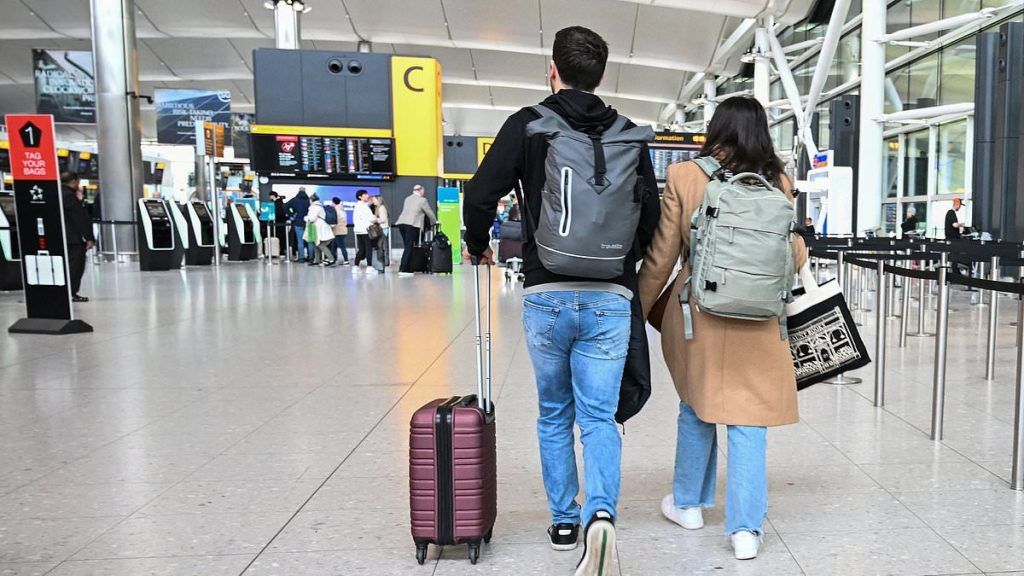
Travel bug fears: Doctors urge Brits jetting off abroad over Easter to be extra vigilant amid rise in holidaymakers returning with diseases such as gonorrhoea, malaria and measles
Rising Concerns Over Holiday-Related Infections
With Easter travel season approaching, medical experts are cautioning British travelers about an uptick in infectious diseases abroad. Recent reports indicate that individuals returning from international destinations are carrying illnesses like gonorrhoea, malaria, and measles, prompting warnings from health professionals.
Diseases on the Rise in Popular Destinations
A group of health specialists, including clinicians and researchers, has highlighted a surge in cases of tuberculosis, HIV, dengue fever, and even antibiotic-resistant venereal diseases. These outbreaks are being observed in regions such as France, Spain, the USA, Egypt, and Turkey. Notably, the Asia-Pacific area is witnessing a notable increase in sexually transmitted infections that are becoming harder to treat.
Health Risks and NHS Impact
The rising number of imported infections is expected to strain the NHS, according to the Healthy World, Secure Britain coalition. Dr. Arshad Rizvi, a London-based GP with expertise in global health, emphasized the importance of updated vaccinations and adherence to travel advisories. ‘Being careful abroad will not only protect their own health, but the health of people in this country and reduce the burden on the NHS,’ he noted.
Hand hygiene and the use of antibacterial products are also recommended to prevent the spread of infections. ‘I always ensure my family follows these precautions when traveling,’ Rizvi added.
Global Health Funding Cuts
Professor Aubrey Cunnington, a specialist in pediatric infectious diseases, warned that reduced funding for global health security has contributed to the spread of diseases like TB and malaria. ‘These diseases don’t respect borders, so rising cases are a predictable consequence of funding to tackle them in other countries being decimated,’ he explained.
Professor James Seddon, another consultant in pediatric infectious diseases, criticized the decline in international health spending, which has fallen from £1.77 billion in 2024 to a projected £527 million by 2026. The UK Government has committed to reducing Official Development Assistance from 0.5% to 0.3% of gross national income by 2027.
Outbreak in Cape Verde
In the West African nation of Cape Verde, a travel alert was issued after over 1,500 British holidaymakers suffered from food poisoning, with six fatalities. The UK Health Security Agency linked these cases to shigella and salmonella, both of which can be transmitted through contaminated food, water, or contact with faecal matter. Shigella, in particular, causes severe diarrhoea, vomiting, and stomach pain, with potential for life-threatening complications.
Medical professionals stress that vigilance is key to mitigating the spread of these illnesses. The situation underscores the interconnected nature of global health, as diseases once confined to other regions now pose risks at home.
