
Huge venomous ‘flying’ spiders are beginning to swarm the US
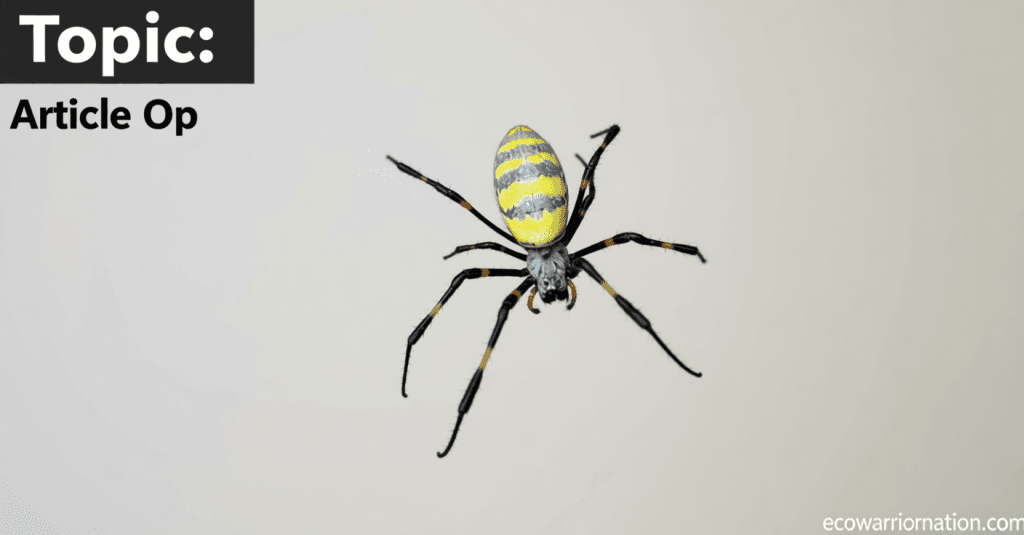
Huge venomous ‘flying’ spiders are beginning to swarm the US
Arachnophobes take note—giant, venomous flying spiders are spreading across the U.S., drawing increasing attention.
A new wave of expansion
The Joro spider, which has been multiplying rapidly, is poised for a broader expansion across the nation this season. This species, not originally from North America, hails from East Asia, including Japan, China, South Korea, and Taiwan. Experts believe it arrived in the U.S. more than a decade ago, likely via shipping containers entering Georgia.
Life cycle and seasonal patterns
Spider eggs usually hatch between May and June, and within months, the creatures reach maturity. By late summer, they’re prepared to breed, marking the start of peak season, which typically spans August to October. As populations grow, the spiders become more noticeable, with females standing out due to their vibrant yellow bodies and blue-and-red patterns.
Males, in contrast, are less conspicuous, smaller, and more brown. Their presence often goes unnoticed, as females dominate the spotlight for obvious reasons.
Web-building behavior
The spiders construct expansive golden webs, often materializing overnight. These structures efficiently capture prey, and encountering one can be an unexpected surprise. Some specimens grow to sizes similar to a human palm, though their most striking feature remains their web-spinning prowess.
Interestingly, female Joro spiders have been observed consuming males, a behavior that’s earned them a bit of ironic commentary.
Geographic spread
The Joro spider has now been spotted in multiple U.S. states, including Georgia, Tennessee, North and South Carolina, Virginia, Maryland, and Pennsylvania. Reports of sightings have extended as far west as California, with further expansion anticipated.
Unique mobility techniques
One of the reasons behind their rapid spread is a unique mobility technique. Joro spiders employ ballooning, releasing silk strands that function as miniature sails, enabling them to drift several feet through the air. Though not true flight, this method allows effortless long-distance movement.
This ballooning behavior also means spiders can inadvertently hitch rides. A breeze or vehicle can transport them farther than anticipated, facilitating quick regional dispersal.
“There have been no documented fatalities, nor any notable medically significant bites,” said José R. Ramírez-Garofalo, an ecologist based on Staten Island.
“Taken together with their behavior (they are very reluctant to bite) and the evidence from the literature, they really pose no threat to humans or our pets,” added Davis.
Adaptability and resilience
Researchers at the University of Georgia have studied this human-friendly phenomenon. They used tuning forks to mimic traffic vibrations, finding Joro spiders show little concern compared to other species. Andy Davis, a researcher from the university, noted: “These Joro webs are everywhere in the fall, including right next to busy roads, and the spiders seem to be able to make a living there.”
Studies suggest their survival skills extend beyond web-spinning. The spiders can endure colder temperatures better than expected, with over 75% surviving freezing conditions in experiments.
According to the journal *Arthropoda*, their rapid spread is linked to traits like high metabolism and a fast heart rate. Combined with cold tolerance, these factors give them an edge in new environments.
