
Polish president Nawrocki vetoes law unlocking €44bn in EU defence loans
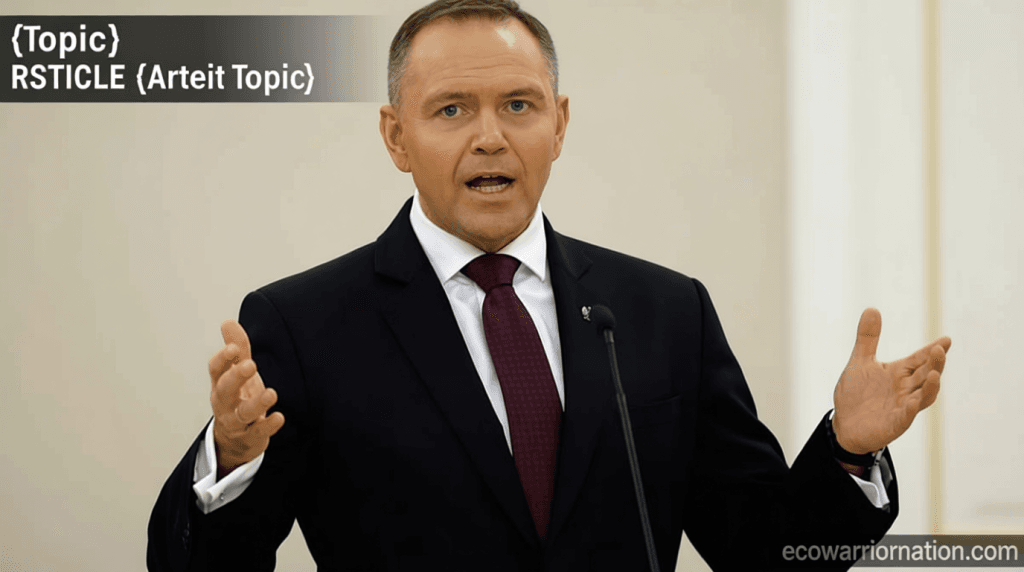
Polish President Nawrocki Vetoes Law Unlocking €44bn in EU Defence Loans
President Karol Nawrocki of Poland has rejected a proposed law that would have granted Warsaw access to nearly €44 billion in European Union defence loans, intensifying a dispute with Prime Minister Donald Tusk’s government over the nation’s funding strategy. The legislation aimed to channel funds from the EU’s Security Action for Europe (SAFE) program, a €150 billion initiative designed to enhance defence spending and fortify Europe’s military industries.
Poland’s Strategic Position in the SAFE Program
Under the SAFE mechanism, Poland was poised to receive approximately €43.7 billion in loans, positioning it as the largest recipient. Tusk’s pro-EU coalition backed the measure, asserting that the loans would offer advantageous financing to expedite military modernization amid ongoing security challenges from Russia’s invasion of Ukraine. Officials highlighted that the funds could support initiatives like reinforcing the eastern border and boosting local arms manufacturing.
President Nawrocki, representing the conservative opposition, opposed the bill, arguing that EU loans might deepen Poland’s reliance on Brussels. Instead, he advocated for using national resources, such as central bank reserves, to fund defence projects. This decision sparked immediate backlash from government members.
“The President lost his chance to act like a patriot,” said Tusk in a post on X, lamenting the missed opportunity to secure EU financing for military investments. He also planned a special cabinet meeting to present alternative measures to approve the loan.
Foreign Minister Radosław Sikorski echoed the criticism on social media, warning that blocking EU funding could hinder Poland’s efforts to bolster its defence capabilities. Meanwhile, Defence Minister Władysław Kosiniak-Kamysz supported the government’s approach, claiming that EU loans would enable expanded military spending without overburdening the national budget.
Tusk hinted at a “plan B,” which would still permit Poland to benefit from SAFE funds. The disagreement underscores a broader ideological divide over how to balance EU integration with domestic financial priorities in the face of geopolitical tensions.
