
Russian gas tanker drifting in the Mediterranean may explode, threatening environmental disaster
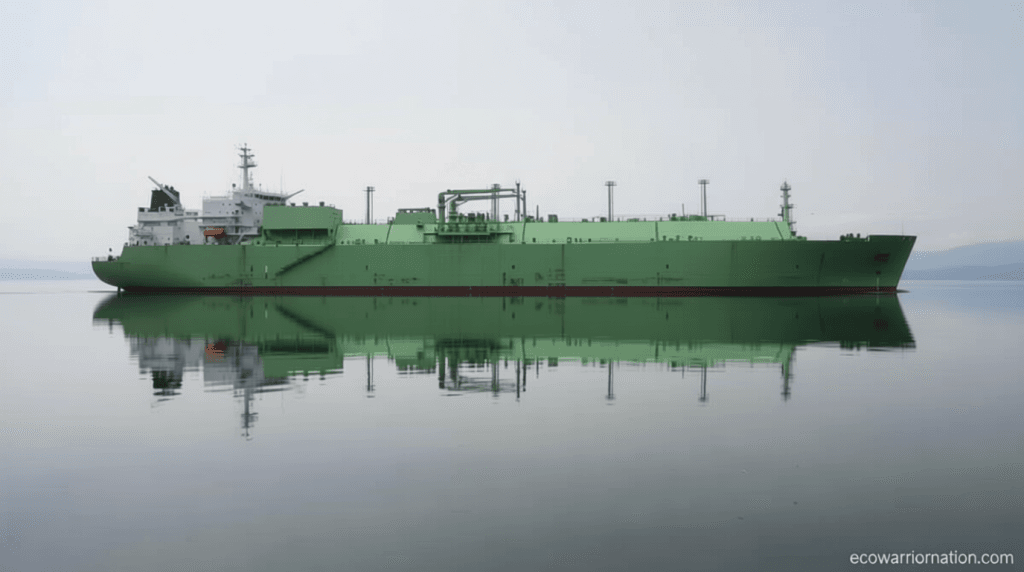
Russian Gas Tanker Drifting in Mediterranean Faces Explosion Risk, Endangering Biodiversity
A Russian oil tanker, the Arctic Metagaz, has been adrift in the Mediterranean Sea for over two weeks following a sequence of blasts that left it crippled. The incident has raised fears among Mediterranean coastal nations and environmental advocates, with concerns intensifying as the vessel continues to move unpredictably. The ship, measuring 277 meters in length, was initially reported as a total loss by Libyan officials on 4 March, who attributed its fate to the extent of the damage.
The Russian government asserts that the Arctic Metagaz was targeted by Ukrainian military drones, a claim that remains unaddressed by Kyiv. Recent aerial imagery reveals a massive crack near the waterline, suggesting severe structural compromise. The explosion on 3 March forced 30 crew members—comprising Russian and Filipino nationals—to flee the vessel, leaving its tanks still filled with 450 tonnes of fuel oil, 250 tonnes of diesel, and substantial natural gas reserves. These remnants heighten the threat of a potential catastrophe.
Footage from AFP on Sunday shows the Arctic Metagaz approximately 50 nautical miles southwest of Malta, with its rear and sides scorched from the fire. Environmental groups have dubbed the ship a “floating time bomb,” warning that a rupture or detonation could devastate one of the Mediterranean’s most ecologically rich regions. Experts highlight the instability of the damaged hull and ongoing internal hazards, such as gas leaks and localized flames, as factors complicating any rescue or containment efforts.
European nations, including Italy and France, along with seven other EU members, have jointly urged the European Commission to act swiftly, citing an “immediate and serious danger” to the area. The tanker’s position in international waters—between Malta and the Italian islands of Lampedusa and Linosa—has created ambiguity over responsibility. Rescue teams are stationed in Malta, prepared to respond if the ship nears its territorial waters, yet the question of who should lead the intervention remains a point of contention.
“Moscow maintains control over the situation as the ship’s flag state,” stated Russian Foreign Ministry spokeswoman Maria Zakharova. “However, international standards place the duty of preventing environmental harm on coastal nations.”
