
Abused and neglected youths granted immigration protections are being detained and deported
Abused and Neglected Youth Granted Immigration Protections Face Detention and Deportation
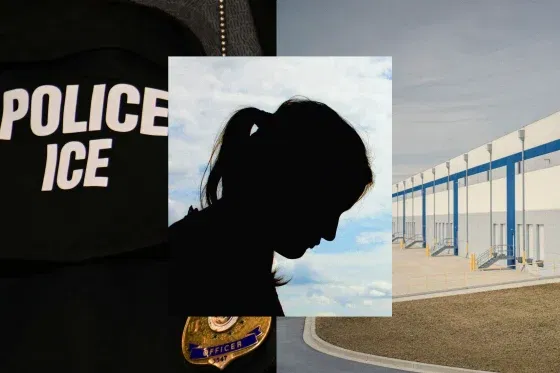
The Trump administration has begun detaining and deporting immigrant youths who were granted legal protections after experiencing abuse or abandonment in their home countries. A recent report from the Department of Homeland Security (DHS) revealed that between January 20 and December 22 of last year, Immigration and Customs Enforcement (ICE) detained 265 and deported 132 young individuals with Special Immigrant Juvenile Status (SIJS), according to a letter obtained exclusively by NBC News.
SIJS Policy and Legal Backlog
SIJS was established in 1990 to shield minor immigrants from harm and provide a route to residency for those subjected to abuse, abandonment, or neglect. To qualify, youths must be under 21 when applying for the status. However, due to a significant backlog in green card approvals, many SIJS recipients relied on deferred action policies to avoid deportation while awaiting their cases to be processed.
Deferred action allowed these youths to live and work legally in the U.S. until their applications could be finalized. But in June, the Trump administration ended this policy, though it remains in legal review as a court case unfolds. DHS claims SIJS does not grant lawful status, asserting the program has been compromised by fraud, with hundreds of adult gang members admitted under the Biden administration.
“They are tearing them away from the stability they’ve built, the lives they’re working to secure,” said Rachel Davidson, director of the End SIJS Backlog Coalition, part of the National Immigration Project.
Challenges Faced by SIJS Recipients
Congress designed SIJS to safeguard children fleeing dangerous conditions, ensuring their safety and providing a pathway to permanent residency. Sen. Catherine Cortez Masto, D-Nev., emphasized that these youths are identified specifically because they escape their countries under severe hardship. “We don’t want them to be further harmed or exploited here,” she stated.
Emma Israel, a senior policy analyst at Kids in Need of Defense, noted that the deportation numbers shared by DHS exceeded expectations. The agency cited immigration violations, such as entering the U.S. without proper admission or visa status, as reasons for removals. Federal data, however, does not clarify whether any of the deported youths faced criminal charges.
A Case of Legal Dispute
One notable case involves Elias, a 16-year-old who arrived in the U.S. alone in 2023 after enduring “severe physical and emotional abuse and neglect at the hands of his mother,” as detailed in court documents. He was temporarily placed with his father and relatives in Louisiana, where he was reportedly left without food for days. His home became a source of fear, with constant threats from his mother and her partner.
“The physical abuse was so severe that Elias was hospitalized for his injuries. His neglect was constant, leaving him alone for weeks at a time,” the complaint stated.
Deferred action for Elias was terminated in April 2024 without notice or explanation, according to his legal team. A month later, his father was briefly detained by ICE and ordered to return to Guatemala with Elias. On May 21, 2025, Elias was deported to Guatemala without a formal removal order, held for 12 hours in a hotel room in Alexandria, Louisiana. The National Immigration Project highlighted this as a “flagrant violation of federal law” and “Elias’ constitutional rights.”
While Elias’ case continues in court, others face similar fates. The DHS maintains that Elias was “NOT illegally removed” and that his father chose to accompany him, having received a removal order from an immigration judge. Despite this, advocates argue that the administration’s actions have disrupted the stability of vulnerable youth who were meant to be protected under SIJS.
