
‘Endless fears’: Even if fighting stops, the damage to Iran’s children will endure
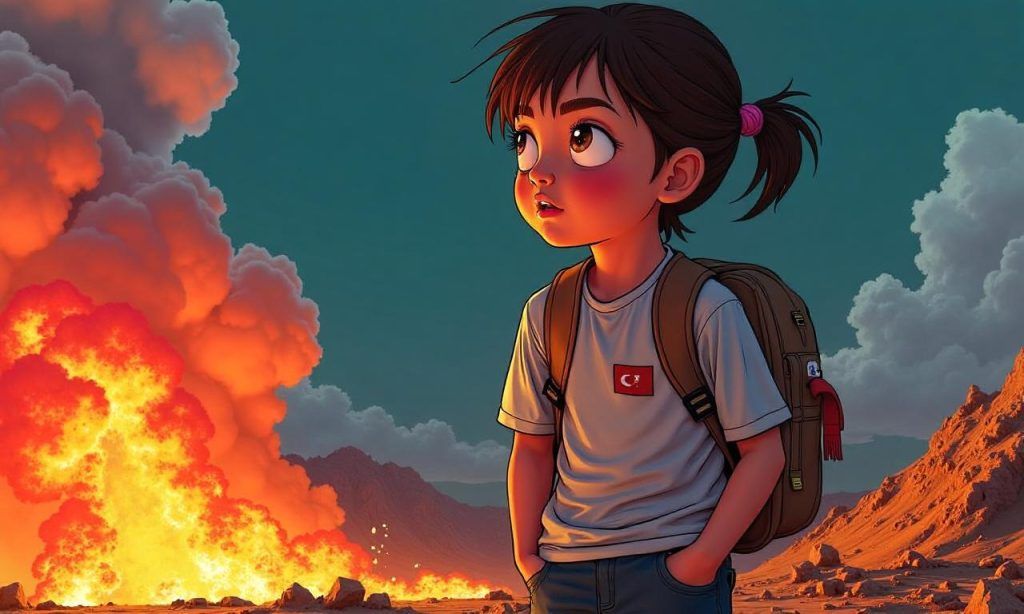
Endless Fears: The Lingering Trauma on Iran’s Youth
For 15-year-old Ali, the war lingers in his mind. A slamming door or dropped cutlery sends him into a sudden startle. The ceasefire doesn’t alleviate this. “Before the conflict, I had no stress at all,” he recalls. “Now even the smallest sound triggers my brain to react badly.” His understanding of how fear embeds itself in the mind, through the echoes of US and Israeli airstrikes, reveals a deeper awareness than his years suggest.
The Silent Impact on a Generation
More than 20% of Iran’s population is under 14—nearly 20.4 million children. The psychological toll of war has manifested in many, with symptoms like heightened alertness and anxiety. Ali describes the persistent effect of explosions and jet noises, which “can have a very serious effect” on mental well-being. These experiences, experts note, may signal early signs of post-traumatic stress disorder.
Ali watches his parents’ reactions, searching for the comfort of normalcy. His father’s job has vanished due to the conflict, while his mother remains on edge. “Whenever fighter jets fly overhead, she becomes frightened and stressed,” he explains. “I see the same fear in myself. I have no contact with friends, no time to study, and no certainty about the future. The endless worries about bombs and politics haunt me.”
Parents in Peril: A Growing Crisis
Across Iran, families are trapped in their homes, their world shrinking under the weight of constant danger. Schools remain closed, streets are watched by regime militias, and the threat of air strikes looms. In this climate, children are expected to endure, yet their trauma is undeniable. At a Tehran-based human rights center, Aysha, a counselor, addresses mothers via phone. “Try these methods to create calm for him,” she advises. “Engage him with play, and if that fails, bring him here.”
Aysha reports that the center receives frequent calls from anxious parents. “We see sleep issues, nightmares, and loss of focus,” she says. “Some children even show aggression.” The emotional burden on caregivers is immense. “When you struggle to raise a child only for them to be killed in protests or war, no parent would willingly bring a child into the world,” she adds.
Children as Frontline Casualties
The Iranian regime has actively mobilized children for combat roles. Under security laws, those under 15 are permitted to join the Basij volunteer militia, a state-backed group. A regime official once urged parents to “take your children by the hand and come out to the street,” framing the conflict as a rite of passage. “Do you want your son to become a man? Let him feel like a hero on the battlefield,” he declared. “Mothers and fathers, send your children to the checkpoints at night.”
Eleven-year-old Alireza Jafari became a tragic example of this. Killed by a drone strike during checkpoint duty in Tehran on March 29, he expressed his desire to “become a martyr” before his death. His mother, Sadaf Monfared, shared this sentiment. Amnesty International criticizes the recruitment of minors, calling it a “grave violation of international humanitarian law” and a war crime. The practice continues despite global standards prohibiting it.
A Tehran resident named Noor, whose son is in his early teens, vows to protect him. “I’ll keep him away from the frontlines,” he says. “A 12-year-old should not be asked to shoulder the weight of war.” Yet for millions, the trauma is already here, shaping their fears and futures.
