
Finland’s Prime Minister Sanna Marin concedes election
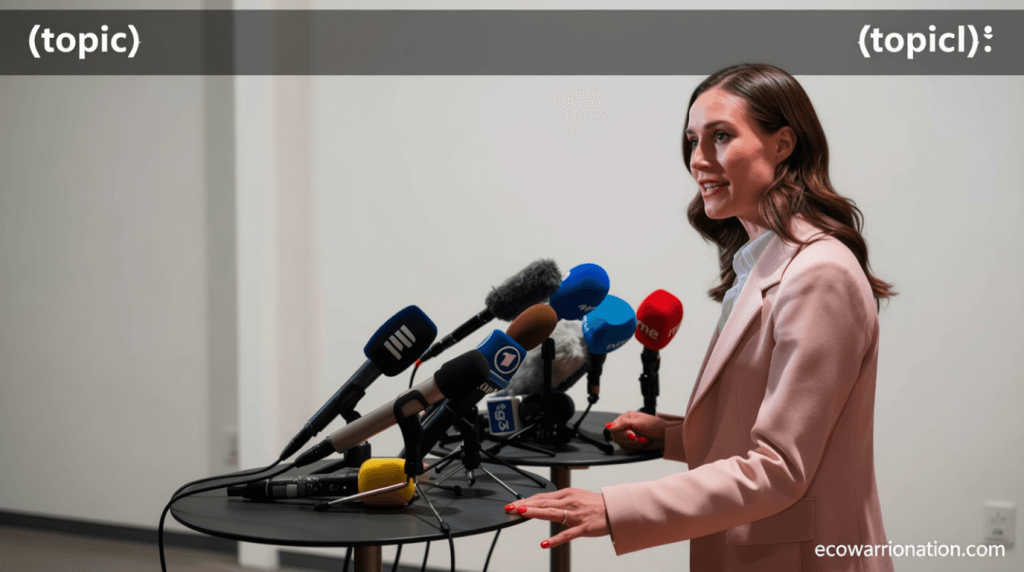
Finland’s Prime Minister Sanna Marin Concedes Election
After a closely contested parliamentary race, Finland’s left-leaning Prime Minister Sanna Marin announced her acceptance of defeat on Sunday. The opposition right-wing National Coalition Party (NCP) emerged victorious, securing a narrow lead in the Nordic nation’s political landscape. Final election results, released by the justice ministry, indicated the NCP would gain 48 seats, surpassing the nationalist Finns Party’s 46 and the Social Democrats’ 43. Marin’s administration will likely step down as the new majority coalition forms under NCP leader Petteri Orpo.
“We got the biggest mandate,” Orpo declared to supporters, pledging to “fix Finland” and address economic challenges. His party now aims to consolidate power, marking a shift from Marin’s tenure.
Marin, who became the world’s youngest prime minister in 2019, faced both admiration and scrutiny during her time in office. While she is celebrated internationally as a progressive leader, domestic critics have targeted her for alleged indulgence in social activities and the government’s spending habits. Her Social Democrats’ leader, Marin, acknowledged the NCP’s success in a speech to party members, admitting their “excellent achievement” despite not securing the top position.
Related Article: Popular Abroad, Controversial at Home
Marin’s appeal to global audiences contrasts with her mixed reception among Finnish voters. She has drawn criticism for her lifestyle and policies, particularly from conservatives who argue her approach to public spending on pensions and education was excessive. The NCP, which had dominated polls for nearly two years, narrowed its lead in recent months, positioning itself as the frontrunner in this election.
The NCP’s platform focuses on fiscal restraint and reducing public debt, which has climbed to over 70% of GDP since Marin took office. Orpo leveled accusations against her, claiming her leadership weakened Finland’s economic stability during the energy crisis triggered by Russia’s war in Ukraine. He plans to seek alliances with various groups to form a governing majority.
Related Article: Political Shifts and Policy Priorities
Marin’s coalition may partner with the NCP, though she ruled out collaboration with the Finns Party. The Finns Party, known for its nationalist stance, has criticized Marin for her progressive policies and accused her of being “openly racist” during a debate in January. The party’s leader, Riikka Purra, advocates for stricter immigration controls, targeting non-EU countries. This aligns with the NCP’s fiscal policies, which both parties support.
A significant highlight of Marin’s foreign policy was her advocacy for NATO membership alongside President Sauli Niinisto. This decision, a pivotal turn in Finland’s defense strategy, has gained momentum, with Helsinki poised to join the alliance shortly after its 30 members ratified the accession.
