
Iran Strait of Hormuz warning adds to shipping uncertainty
Iran Strait of Hormuz warning adds to shipping uncertainty
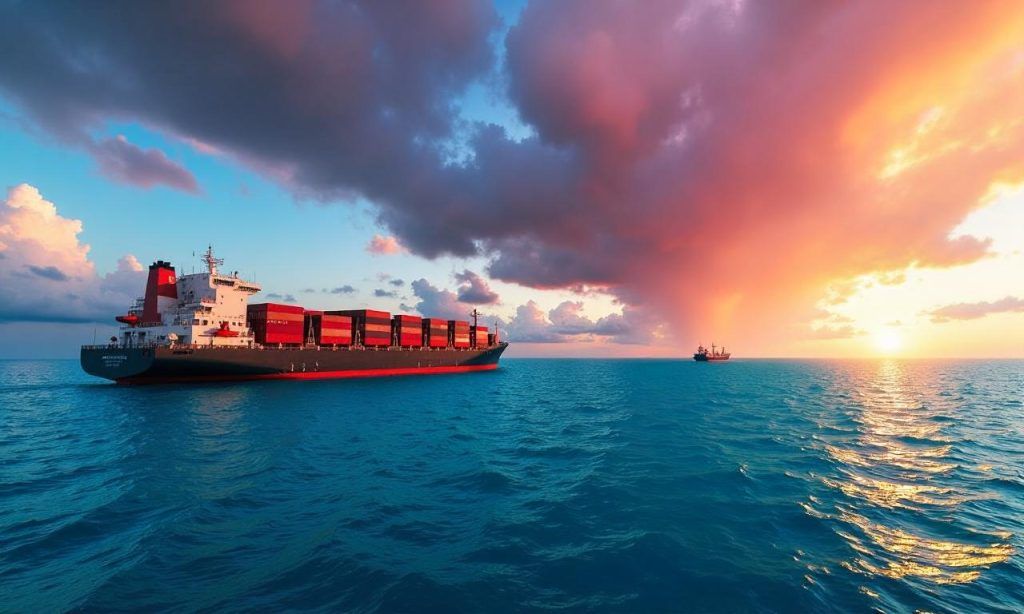
Iran’s naval force has issued a caution to maritime traffic in the Gulf, stating that any ship attempting to traverse the Strait of Hormuz without prior authorization may be “targeted and destroyed,” according to SSY, a shipping consultancy. This alert comes amid a two-week ceasefire brokered on Tuesday evening, which hinges on “safe passage” through the strait being ensured. However, only a limited number of vessels have utilized the route since the agreement was announced.
Ceasefire Conditions and Strategic Significance
The Strait of Hormuz, a narrow channel approximately 33km wide, has emerged as a critical battleground in the US-Israeli conflict with Iran. The waterway, which carries roughly a fifth of global oil and liquefied natural gas, has been disrupted for five weeks, causing economic ripple effects and elevating energy prices. Analysts highlight the strait’s role in transporting not only fuel but also essential chemicals for industries such as microchip manufacturing, pharmaceuticals, and fertilizer production.
Analyst Perspectives on Ceasefire Impact
Despite the ceasefire, shipping experts remain cautious. “Most carriers are still assessing the details required for safe transit,” said Lars Jensen of Vespucci Maritime. “The specifics of permissions are unclear.” BBC Verify’s analysis of MarineTraffic data reveals only three bulk carriers—NJ Earth, Daytona Beach, and Hai Long 1—crossed the strait by 14:00 BST on 8 April, compared to an average of 138 daily crossings before the conflict began on 28 February. Analyst Ana Subasic from Kpler noted that it is uncertain whether these crossings stem from the ceasefire or pre-existing plans.
Uncertainties and Future Risks
Further complications include the potential for sea mines, as highlighted by Thomas Kazakos of the International Chamber of Shipping. “Confirming navigational safety is crucial,” he stated. The ceasefire’s two-week timeframe also raises questions about the willingness of ships to enter the Gulf, with Niels Rasmussen from BIMCO suggesting that operators may hesitate to risk being stranded once the period expires. Additionally, reports indicate that toll payments might be part of the ceasefire arrangement, adding financial uncertainty for shipping lines.
Strategic Reckoning and Regional Negotiations
While some nations—such as India, Malaysia, and the Philippines—have secured safe passage for their vessels, others face potential conflicts with US sanctions if they agree to pay Iran. “Tolls could complicate operations,” Jensen remarked. The situation underscores the precarious balance of control over the strait, with Iran maintaining dominance and the conditions for safe transit still under negotiation. As the ceasefire holds, the maritime community watches closely for signs of sustained reopening or further disruptions.
