
Kelsey Waghorn: White Island volcano survivor’s gruesome injuries revealed – as she relives the moment the world erupted in a deadly fireball, killing 22 around her and maiming 25 more
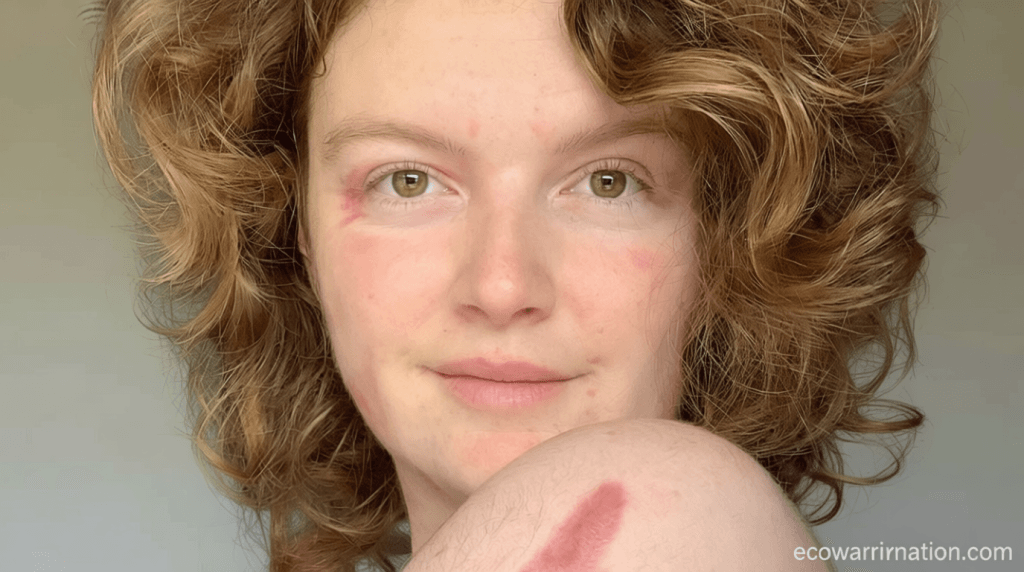
Kelsey Waghorn: White Island Volcano Survivor’s Terrifying Experience
On December 9, 2019, Kelsey Waghorn, a 25-year-old tour guide, was among the 47 visitors on New Zealand’s White Island when a sudden volcanic eruption transformed the serene landscape into chaos. Her account of the event, detailed in her book *Surviving White Island*, captures the moment the ground beneath them split open, unleashing a deadly fireball that claimed 22 lives and left 25 others severely injured. Two of the deceased were never recovered, adding a haunting dimension to the tragedy.
The Moment the Earth Roared
As the group paused near the island’s streams—a natural feature that guided their path down to Crater Bay—Waghorn was explaining the distinct flavors of the water. One stream, rich with iron, contrasted with another that had a sharp, acidic tang. She was mid-sentence when the eruption struck, silencing the conversation with a deafening force. The only sound that followed was the radios screaming warnings and her own frantic voice urging, “Everyone, with me! Run!”
“I heard someone say, ‘Wow!’ and another exclaim, ‘Look at that!'”
Pyroclastic Surge: A Lethal Wave
Waghorn’s training kicked in immediately, propelling her toward a rocky outcrop as the ground trembled. “This feels just like our drills. This is insane,” she recalled, her mind racing. While some members of the group scattered to nearby shelters, she and a colleague, Jake, huddled behind a boulder. “It’s going to be okay,” she reassured him, though the seconds stretched endlessly as the eruption unfolded.
Pyroclastic surges, as Waghorn later explained, are not slow-moving threats but rapid, hot waves of volcanic material. The column of ash and gas that shot skyward collapsed, sending a torrent of debris and gas surging across the ground. “My exposed arms started to feel like they were on fire,” she wrote, noting her right elbow was spared because she shielded her face for as long as she could.
Aftermath and Recovery
Two weeks after the disaster, Waghorn was photographed in April 2020, her legs still healing from the injuries sustained. An aerial image from the same period shows members of the New Zealand Defence Force working to retrieve bodies from the volcanic site. Despite the devastation, Waghorn’s survival became a symbol of resilience, her story now chronicled in a book that sheds light on the eruption’s sudden and violent nature.
