
Lebanon thought there was a ceasefire – then Israel unleashed deadly blitz
Lebanon thought there was a ceasefire – then Israel unleashed deadly blitz
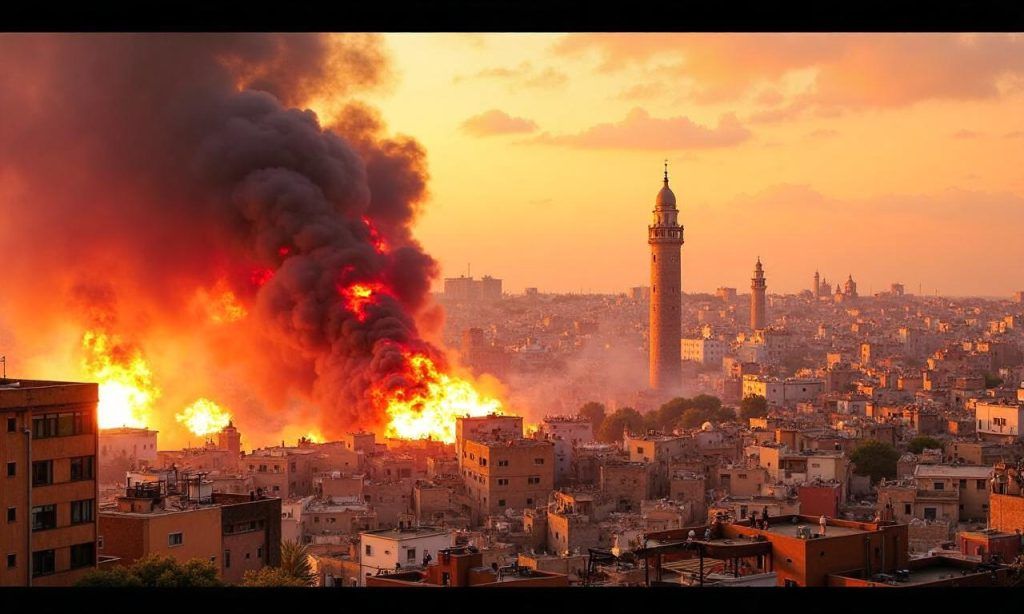
The war in Lebanon appeared to pause as US President Donald Trump declared a two-week ceasefire agreement. Yet just hours later, Israeli jets launched a 10-minute aerial assault, resulting in at least 203 deaths and over 1,000 injuries, according to Lebanon’s health ministry. The attack shattered the fragile calm, drawing immediate criticism from local and international observers.
International Outcry and Ceasefire Disputes
While condemnation spread rapidly, the US remained silent on its ally’s actions. Iran condemned the strikes as a “grave violation” of the ceasefire, urging Washington to stop the Israeli “aggression.” Lebanese officials noted that over 1,700 people had died since Israel’s latest campaign began last month, with the attacks targeting Hezbollah’s infrastructure.
“A mass killing,” President Joseph Aoun called the strike, while Prime Minister Nawaf Salam labeled the casualties “martyrs and wounded.”
Context of the Ongoing Conflict
The war originated on 28 February when US and Israeli strikes targeted Iran, sparking retaliation from Tehran against Gulf allies and attacks by Iran’s proxies on Israel. Hezbollah in Lebanon and the Houthis in Yemen responded with missile fire, prompting Israel to escalate its military operations. The ceasefire, brokered by Pakistan’s Prime Minister Shehbaz Sharif, aimed to pause hostilities globally, including in Lebanon. However, Israel claimed the agreement did not cover its actions against Hezbollah.
Strikes and Their Impact
At 14:00 in Beirut (11:00 GMT), the skies darkened as Israeli jets executed a massive strike, reportedly hitting 100+ Hezbollah targets across Beirut, Beqaa, and southern Lebanon. The IDF described it as the “largest co-ordinated strike since Operation Roaring Lion.” Densely populated areas like central Beirut and neighborhoods such as Tallet el Khayat, a wealthy district, were devastated. A 10-storey residential building was reduced to rubble, with no warning given to residents.
“This is new to Beirut,” said Ziad Samir Itani, leading civil defense efforts. Teams, exhausted after six weeks of relentless attacks, struggled to recover bodies and survivors.
Continuing Israeli Operations
On Thursday, Israel reported killing “70+ terrorists” in follow-up strikes. The IDF claimed to have eliminated Ali Yusuf Harshi, Hezbollah’s secretary-general Naim Qassem’s personal aide in Beirut, though the BBC has not confirmed this. The attacks sparked a day of national mourning, with the air heavy and traffic subdued in Beirut. The city’s heart remains under search and recovery operations, leaving families in anguish as they search for missing loved ones.
