
Russia and Ukraine agree to truce for Orthodox Easter
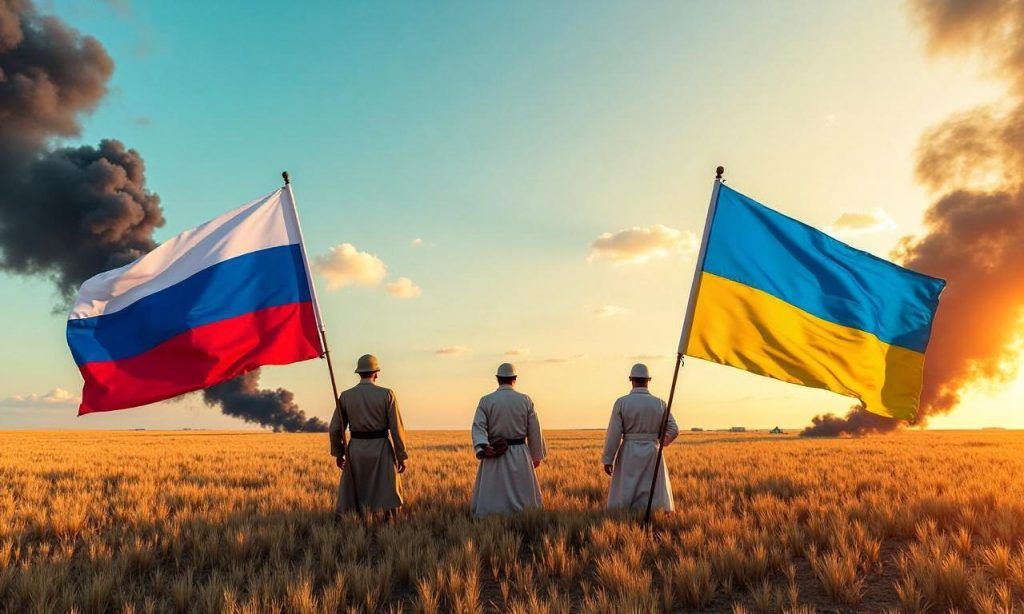
Russia and Ukraine Agree to Truce for Orthodox Easter
Vladimir Putin has mandated a pause in hostilities for Orthodox Easter, directing Russian forces to halt all military actions “in all directions” during the weekend. This decision follows persistent appeals from Volodymyr Zelensky, who had previously urged a ceasefire that went unheeded by Moscow. The truce, effective from 16:00 local time on Saturday, 11 April, through Easter Sunday, aims to provide a momentary respite amid ongoing conflict.
Zelensky expressed hope that the truce would allow “movement toward peace” and ensure an Easter “free from threats.” He emphasized that Ukraine is prepared to respond proportionally, stating, “Russia has a chance not to return to strikes after Easter as well.” Despite the gesture, skepticism lingers among Ukrainians, who view the truce as a potential ploy by Russia to gain strategic advantage.
People need an Easter free from threats and real movement toward peace
The temporary calm could benefit soldiers along Ukraine’s eastern front, where relentless attacks by drones have kept troops in constant danger. Civilians, too, would find relief from the persistent air raid sirens and the ongoing toll of missile strikes. However, recent incidents like the drone strike on a bus in Nikopol and a missile hitting a home in Zhytomyr highlight the fragility of such pauses.
Russia has a chance not to return to strikes after Easter as well
While the truce offers hope, Ukraine remains wary. Past agreements, such as Russia’s “energy truce” during winter, were short-lived, only to be followed by renewed attacks. Similarly, a unilateral ceasefire in May 2023 to mark the Soviet victory over Nazi Germany was repeatedly breached. The current truce, though welcomed, may not resolve deeper disagreements over the terms of peace.
Discussions mediated by the United States have stalled since Donald Trump redirected focus to the Middle East. Kyiv continues to push for a comprehensive ceasefire as a prerequisite for negotiations, while Moscow insists on securing peace terms first, fueling accusations of insincerity in its pursuit of an end to the war.
