
Small window open for US-Iran talks, but swift end to war still unlikely
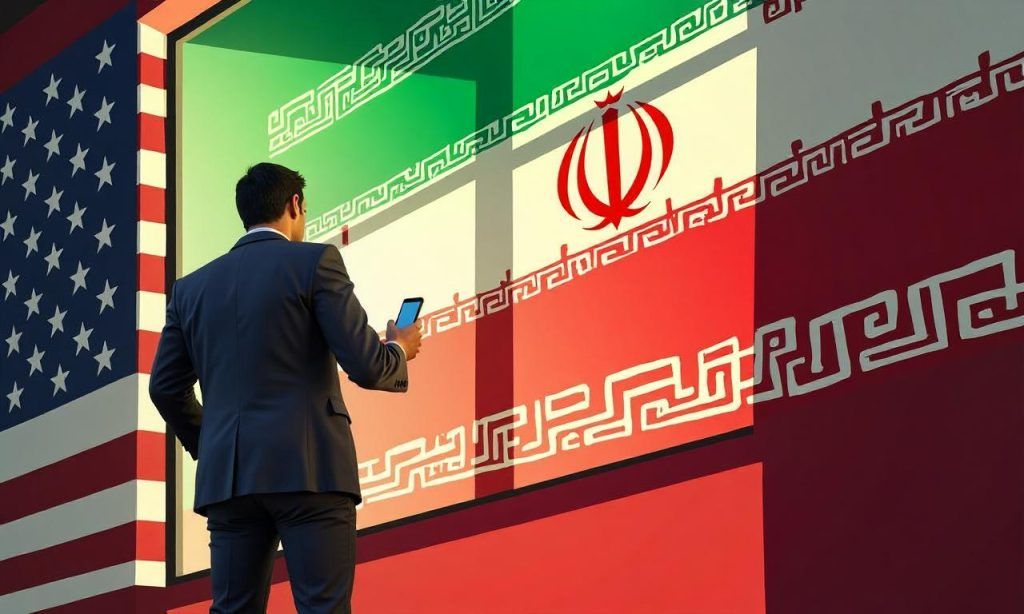
Small Window Open for US-Iran Talks, But Swift End to War Still Unlikely
President Donald Trump’s assertion of “very strong talks” with Iran signaled a potential shift toward diplomacy, hinting at the possibility of resolving hostilities in the Middle East. Yet Iran swiftly dismissed the claim, casting doubt on the extent of progress. While initial signs of engagement have emerged, they remain fragile—like a window broken in prior attempts by Israeli strikes backed by the U.S. These attacks in February and June last year shattered the little trust that had formed between the two nations.
Despite some communication between former Iranian Foreign Minister Abbas Araghchi and U.S. envoy Steve Witkoff, the discussions are still in early stages. Tehran now views Witkoff’s efforts as a tactical maneuver, not genuine diplomacy. The foreign ministry retorted,
“The statements of the U.S. president are part of efforts to reduce energy prices and buy time for the implementation of his military plans.”
This sentiment resonates with analysts who note Trump’s pressure to lower oil prices and demonstrate progress in ending a conflict that has caused global economic upheaval, including in the U.S.
Trump’s interest in engaging Iran mirrors his strategy with Venezuela, where he sought a deal with its interim leader, Delcy Rodríguez. He envisions a similar approach here, targeting a strongman within Iran’s leadership. Mohammad-Bagher Ghalibaf, a high-profile figure in the country’s security apparatus, is now under consideration. As former police chief and air force commander in the Islamic Revolutionary Guard Corps (IRGC), Ghalibaf has positioned himself as a potential bridge between Iran’s military and political factions.
Ghalibaf, who has lost four presidential elections, once labeled protesters demanding change as “enemies and terrorists.” However, Trump sees him as a figure capable of navigating the complex dynamics of Iran’s establishment. Sources indicate indirect outreach to Ghalibaf has occurred, but no official breakthrough has materialized. His ascent follows the assassination of Ali Larijani, a hardline security chief who was considered a key intermediary in past negotiations.
For Iran, engaging with Ghalibaf carries risks, as Israel continues targeting its leaders. Larijani, once seen as a flexible negotiator, was eliminated, leaving Ghalibaf as a possible replacement. A source familiar with mediation efforts noted,
“He’s the last man standing who’s seen as more ideologically flexible. But even Trump said if he named him, they’d kill him, and then Israel immediately named him.”
Meanwhile, Ellie Geranmayeh, a senior policy fellow at the European Council on Foreign Relations, described Ghalibaf as
“the most interesting track to watch.”
However, she emphasized that neither side would commit to high-level meetings unless nearing a political breakthrough. Mediators from Pakistan, Egypt, and Turkey are now involved, but the path to resolution remains uncertain. Ghalibaf has also taken to social media, criticizing U.S. efforts. In a post on X, he declared,
“Our people demand the complete and humiliating punishment of the aggressors. No negotiations with America have taken place.”
With the two nations at odds and their leaders focused on survival, a meeting would represent a bold move. For now, diplomacy continues through indirect channels, as proposals are floated in hopes of easing this deepening crisis.
