
UK to urge full reopening of Strait of Hormuz
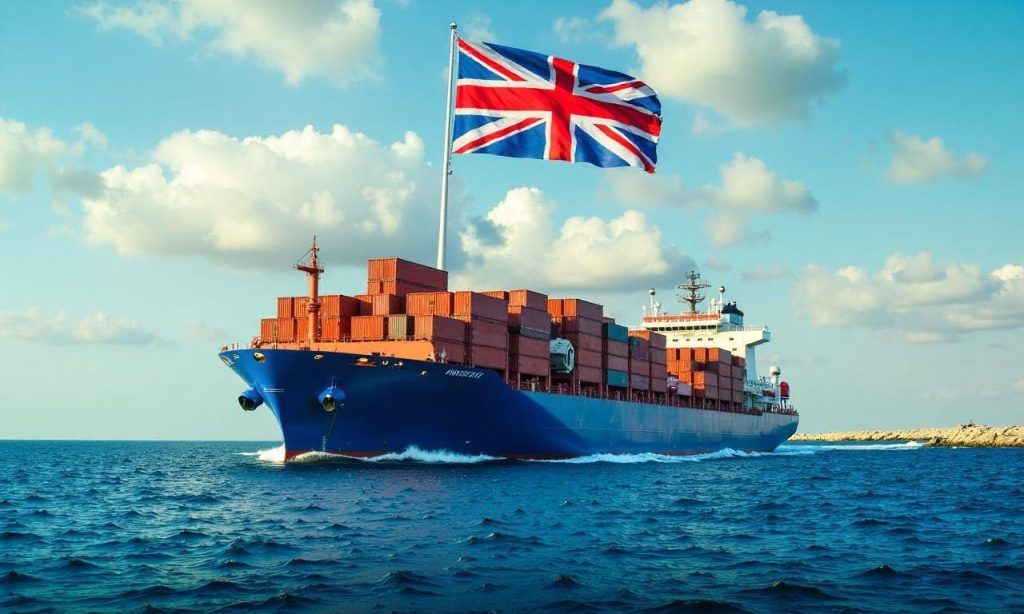
UK Pushes for Hormuz Reopening Amid Global Tensions
Foreign Secretary Yvette Cooper is set to champion the full restoration of the Strait of Hormuz on Thursday, following warnings from the Iranian navy that ships without authorization risked being targeted. The decision comes as the UK seeks to address the economic strain caused by the closure of the vital waterway, which has disrupted global trade and driven up fuel costs.
During her annual address on foreign policy, Cooper will also stress the importance of incorporating Lebanon into the ceasefire pact between the US and Israel. Though the UK did not engage in direct military action against Iran, officials are eager to employ their diplomatic influence to ease the situation. Prime Minister Sir Keir Starmer’s recent visits to Gulf allies, including a meeting with Saudi Crown Prince Mohammed bin Salman, underscored the shared goal of achieving lasting peace.
Cooper will highlight the widespread repercussions of the ongoing conflict, stating that it has “impacted every nation across every continent.” She will argue that the Strait’s closure has raised energy and food prices in the UK, despite the country’s distance from the region. “This route is essential for international commerce,” she will assert, emphasizing that no single nation should have the power to block it, as it contradicts the principles of maritime law.
“No country can unilaterally shut down these vital shipping lanes,” Cooper will declare, underscoring the need for collective action to ensure unimpeded passage for vessels.
Her remarks will coincide with a planned visit to the International Maritime Organization, where she will express solidarity with efforts to assist ships stranded in the strait. Cooper will reiterate that the “unconditional reopening of the Hormuz Strait must be a cornerstone of both the current ceasefire and the region’s enduring stability.”
Earlier this week, the UK led discussions with over 40 nations on strategies to clear the strait, with all parties agreeing that ending the war was a prerequisite for progress. Cooper noted that Iran had “seized control” of the route to “exert pressure on the global economy,” following a summit that excluded US participation.
Meanwhile, the US has criticized allies for not adequately securing the shipping lane or backing its military campaign, leaving the UK and others to balance their contributions to the crisis without entering the broader conflict. Iran’s attacks on ships have already shaken energy markets, pushing fuel prices to record highs and unsettling global markets.
