
US must choose ‘between war and ceasefire’, Iranian minister tells BBC
US must choose ‘between war and ceasefire’, Iranian minister tells BBC
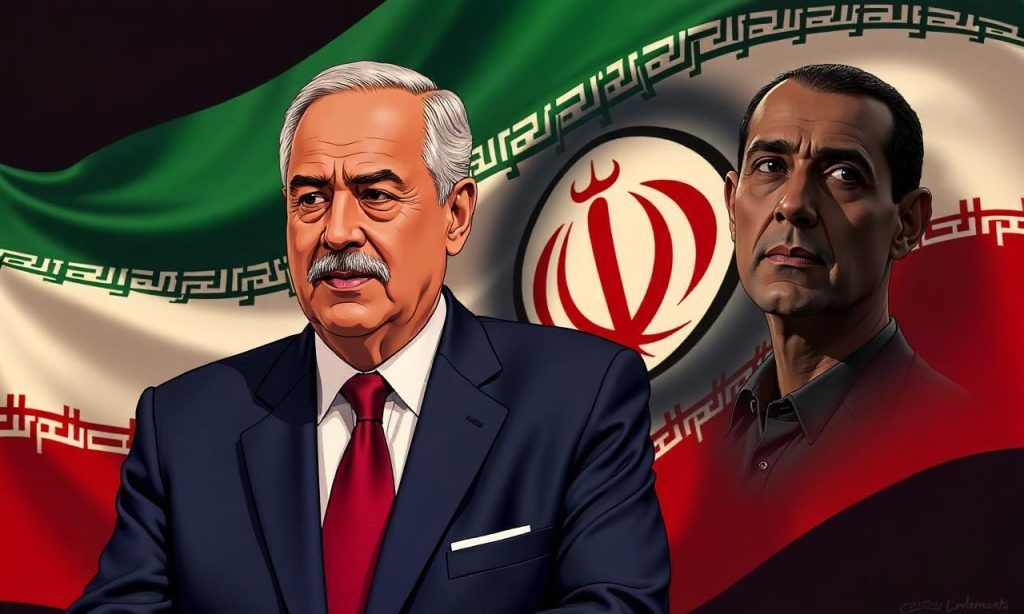
An Iranian official has informed the BBC that Israeli attacks in Lebanon on Wednesday represented a ‘serious breach’ of the US-Iran ceasefire agreement. Saeed Khatibzadeh, the country’s Deputy Foreign Minister, claimed the two-week deal signed on Tuesday encompassed Lebanon, a position the US and Israel dispute. He insisted the United States needs to decide between sustaining conflict or adhering to the ceasefire.
The Lebanese health ministry reported at least 203 fatalities resulting from Israeli air strikes targeting Hezbollah command centers and military installations. When pressed about whether Iran would also demand Hezbollah cease rocket attacks on Israel, Khatibzadeh stated the group had ‘complied’ with the ceasefire. Speaking on BBC Radio 4’s Today programme, he described Tehran’s message to Washington as ‘very clear,’ suggesting the US cannot claim a truce while allowing Israel to strike Lebanese territory.
“You cannot request a ceasefire and then accept terms that exclude Lebanon from the agreement’s scope, allowing Israel to conduct strikes there,” Khatibzadeh explained.
He further emphasized that Hezbollah, which he described as a ‘Lebanese freedom movement’ receiving ‘support’ from Iran, had ‘very much abided by that’ ceasefire. The minister was also questioned about Iran’s warning that vessels traversing the Strait of Hormuz without permission would be ‘targeted and destroyed,’ despite the agreement’s intent to permit free passage. Khatibzadeh maintained Iran would follow international law, noting the strait includes Oman and Iranian territorial waters. He argued that both nations had historically allowed safe passage out of ‘goodwill,’ and that Iran would ‘provide security for safe passage’ if the US withdrew its ‘aggression.’
When asked whether this meant Iran would not charge ships or threaten them, the minister said the country aimed for the strait to be ‘peaceful.’ However, he added that Iran would need to collaborate with Oman and the international community to establish a protocol ensuring the waterway is not ‘misused by warships.’ He expressed doubt about achieving a lasting understanding with the US, accusing Washington of using diplomacy as a pretext for military operations. Regarding upcoming talks in Pakistan, Khatibzadeh said: ‘We are going to closely monitor what is happening from now on.’ As a diplomat, he remained hopeful about eventually reaching an agreement aligned with both national and regional interests.
