
Science Facts for Kids: Cool and Amazing Discoveries
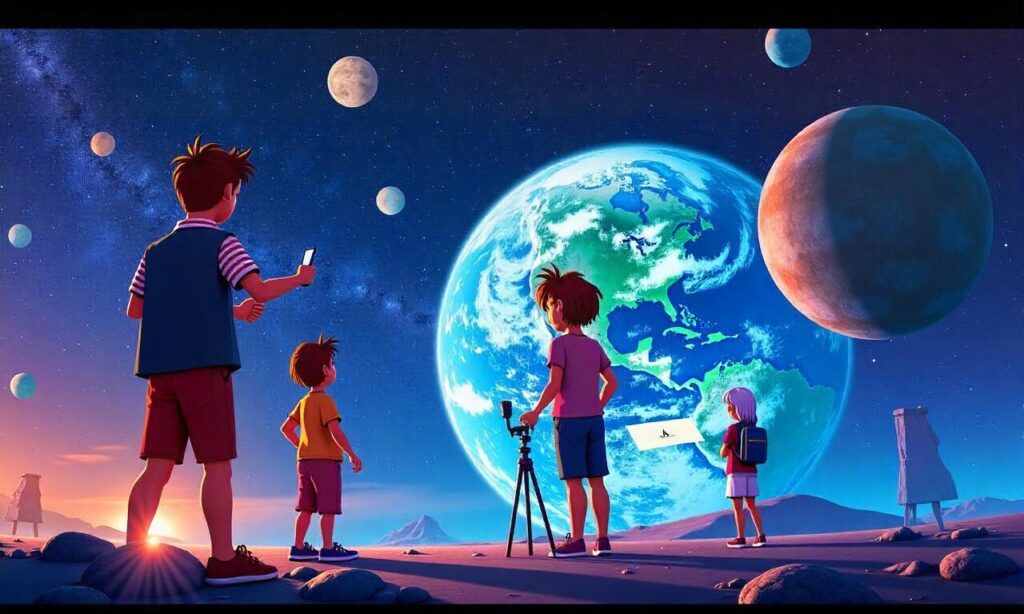
Science is a fascinating world full of mysterious phenomena and mind-blowing discoveries that can spark curiosity in young minds. Whether you’re exploring the wonders of nature, the secrets of the universe, or the magic of everyday objects, science facts for kids are a gateway to understanding the world around us. From the intriguing properties of water to the amazing abilities of animals, these facts are not only fun but also educational. In this article, we’ll dive into some science facts for kids that will leave you in awe and inspire you to ask more questions about the natural world.
The Fascinating World of Science for Kids
Science is all around us, and it’s more than just learning about chemistry, physics, or biology in a classroom. For kids, science facts can turn ordinary moments into extraordinary learning experiences. Did you know that Earth is not flat, but a sphere? Or that your body is full of tiny organisms that help you stay healthy? These science facts for kids are designed to make learning engaging and accessible.
Science helps us understand how things work, from the movement of the stars to the process of cooking a cake. By exploring science facts for kids, children can develop critical thinking skills, problem-solving abilities, and a deep appreciation for the world’s mysteries. Let’s uncover some amazing discoveries that will make science feel like an adventure!
Discoveries That Baffle the Mind
One of the most mind-blowing science facts for kids is that water can exist in three forms—solid, liquid, and gas. This is due to changes in temperature and pressure, which cause water to transform into ice, liquid, or steam. For example, when you freeze water, it becomes ice, which is a solid state. On the other hand, when you boil water, it turns into vapor, a gas. This scientific phenomenon is a perfect example of how nature’s laws govern our everyday lives.
Another cool science fact is that the Earth rotates on its axis. This rotation causes day and night, which is why the sun rises in the morning and sets at night. If you imagine the Earth spinning like a top, you’ll understand why different parts of the planet experience light and darkness at different times. This fundamental concept is a key part of astronomy and helps us grasp the movement of celestial bodies.
Surprising Science Facts About the Human Body
The human body is an amazing machine, and science facts for kids reveal how it works. Did you know that your body is made up of over 30 trillion cells? These tiny building blocks of life are responsible for everything from muscle movement to thinking and feeling. Every time you take a step, breathe, or smile, billions of cells are working together to keep you alive.
Even more amazing, your brain is constantly active. Even when you’re sleeping or daydreaming, your brain is processing information. For instance, when you dream, your brain creates vivid images and stories based on memories and experiences. This complex process is part of neuroscience, and it shows how science helps us understand how the mind functions.
Science Facts That Explain the Natural World
The natural world is full of unexplained mysteries, but science facts for kids can help demystify them. One cool discovery is that plants can communicate with each other. When a plant is damaged by an insect, it releases chemical signals that warn nearby plants. This natural communication is a form of plant intelligence and helps them protect themselves from harm.
Another fascinating fact is that the ocean is home to more life than the entire landmass of Earth. In fact, over 90% of the planet’s biodiversity lives in the ocean’s depths. This surprising statistic highlights the importance of marine ecosystems and the role of science in preserving them. Exploring these science facts for kids can inspire a new respect for nature’s hidden wonders.
Exploring Science Through Fun and Games
Science doesn’t have to be boring or intimidating. For kids, science facts can be turned into interactive learning experiences by using games, experiments, and quizzes. For example, building a simple volcano with baking soda and vinegar can teach basic chemistry concepts. This hands-on approach to science learning helps children grasp abstract ideas in a tangible way. Science facts for kids can also be found in everyday activities. When you ride a bicycle, you’re using physics—specifically, Newton’s laws of motion. The wheel’s rotation and gravity’s pull are essential to understanding how motion works. Similarly, when you hear a sound, it’s because vibrations travel through the air and reach your ears, where your brain interprets them. These simple science facts are perfect for sparking curiosity in young learners.
How Science Shapes Our Future
Science facts for kids aren’t just about understanding the past; they also prepare children for the future. For example, scientists are developing new technologies that can help us explore space. The International Space Station is a living laboratory where astronauts study gravity, life, and the universe. These discoveries could lead to breakthroughs in medicine, climate science, and space travel.

Another amazing discovery is that robots can now learn from humans. Through artificial intelligence, robots can mimic human behavior and even solve problems on their own. This innovation in technology is part of robotics, and it shows how science is shaping our world. By learning science facts for kids, children can understand the potential of technology and how it can improve our lives.
The Role of Science in Everyday Life
From weather forecasts to medicine, science is everywhere. Science facts for kids can help them appreciate these everyday applications. For instance, weather changes are caused by the movement of air and temperature differences. Scientists use data from satellites and sensors to predict the weather accurately. This scientific process is a key part of meteorology and helps us prepare for storms, droughts, and seasons.
Even your phone and computer rely on science. Modern technology is built on electromagnetism, semiconductors, and coding. Science facts for kids can explain how electricity flows through circuits or how data is stored in memory chips. By learning these basic principles, children can understand how technology works and how it impacts our lives.
The Importance of Curiosity in Learning Science
Curiosity is the key to unlocking science’s secrets. For kids, science facts often begin with a question like “Why do leaves change color?” or “How do airplanes stay in the air?” These questions drive scientific exploration and lead to discoveries. Encouraging curiosity in young learners is essential for developing a lifelong love of science.
When kids ask questions, it’s a sign of active learning. For example, why do stars twinkle? It’s not because they’re shimmering, but because of the Earth’s atmosphere. As light from stars travels through air layers of different densities, it bends and flickers, creating the illusion of twinkling. This scientific explanation shows how science facts for kids can turn confusion into clarity.
Cool Science Facts from the Animal Kingdom
Animals are some of the most fascinating subjects in science facts for kids. For example, octopuses can change color to blend with their surroundings. This ability is called camouflage, and it’s used for survival. When an octopus senses danger, it quickly shifts its skin color and texture to hide from predators.
Another amazing discovery is that bees can solve puzzles. Scientists have observed bees learning to pull a string to get food, which is a complex task for such small creatures. This science fact demonstrates animal intelligence and how insects use problem-solving skills. By learning these science facts for kids, children can appreciate the diversity of life and the adaptability of species.
Science Facts That Change the Way We Think
Science facts for kids often challenge common misconceptions. For example, the moon doesn’t glow on its own, but reflects sunlight. This scientific truth helps kids understand how light travels and how we see the moon. When you look at the moon at night, you’re actually seeing sunlight bouncing off its surface.
Another mind-blowing fact is that the human body contains enough water to fill a swimming pool. In fact, about 60% of your body is made up of water. This surprising statistic shows how vital water is for life. Science facts for kids can also explain how water helps regulate body temperature, transport nutrients, and remove waste.
The Wonders of Space Exploration
Space is one of the most exciting areas for science facts for kids. Did you know that the universe is made up of billions of galaxies? Each galaxy contains billions of stars, and our own galaxy is called the Milky Way. This vastness of space is mind-blowing and inspires a sense of wonder. Science facts for kids can also teach about the planets in our solar system. For instance, Venus is the hottest planet, not the closest to the sun. This interesting fact is due to its thick atmosphere, which traps heat like a greenhouse. Understanding these science facts helps children grasp the complexities of space and how planets are different from each other.
Conclusion
In summary, science facts for kids are more than just random trivia—they’re windows to the universe and keys to understanding the world. Whether it’s the miraculous properties of water, the intelligence of animals, or the wonders of space, these amazing discoveries can inspire a lifelong passion for learning. By engaging with science facts for kids, children can develop critical thinking skills, ask thoughtful questions, and explore the mysteries of nature. So, let your curiosity guide you and discover the joy of science!
