
Jarren Duran’s experience with fan abuse shows there’s still risk in athletes being vulnerable
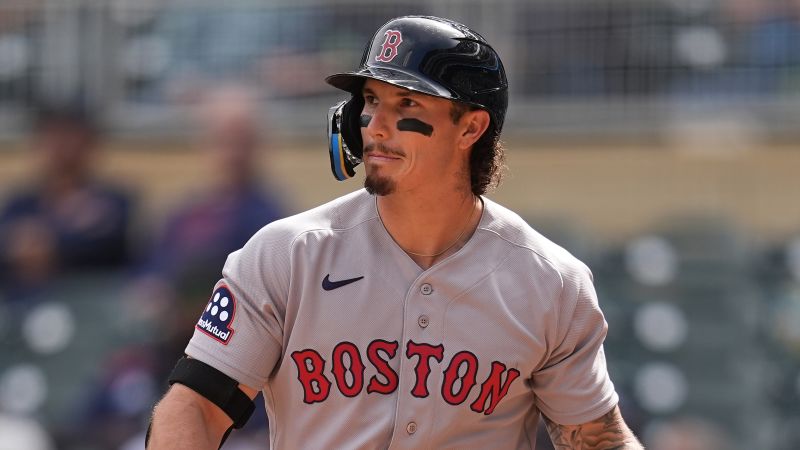
Jarren Duran’s experience with fan abuse shows there’s still risk in athletes being vulnerable
Public figures, particularly male athletes immersed in a culture that values stoicism, often face praise for sharing mental health challenges. However, the latest incident involving Jarren Duran suggests that vulnerability in sports may not always be met with support. On Tuesday night, Duran recounted how a fan in Minnesota allegedly told him to end his life, a moment he described as a turning point in his journey with mental health. “Somebody told me to kill myself,” he said, reflecting on the moment. This follows a similar incident last year, where a Cleveland fan criticized Duran shortly after he revealed his past suicide attempt in a Netflix docuseries.
Though Duran credited stadium security and teammates for intervening, he noted it was the first time his personal vulnerability was used against him. “Honestly, it’s my fault for talking about my mental health because I kind of brought in the haters,” he added, signaling a growing awareness of the risks. The MLB and the Minnesota Twins have confirmed they are investigating the latest claim, but the emotional toll on Duran appears to have already taken root.
“I’m used to it at this point. Sh*t happens. I’m going to flip somebody off if they say something to me. It is what it is. I shouldn’t react like that, but that stuff is still kind of triggering. It happens.”
Earlier this year, Duran faced another controversy when he used a homophobic slur on a broadcast, leading to a two-game suspension. The incident occurred before his mental health revelations in 2024, underscoring how public scrutiny can intensify when athletes express vulnerability. Despite efforts to reduce stigma, the act of opening up about struggles is not a guarantee of protection from harsh criticism. Instead, it can expose athletes to a new level of scrutiny, where their personal emotions are weaponized.
While campaigns promoting mental health awareness in sports aim to foster empathy, they may also unintentionally create expectations. Duran’s experiences illustrate that the pressure to remain composed can lead to internalized criticism. The disparity in how fans perceive athletes’ struggles—viewing them as entertainment rather than personal battles—remains a key issue. Though sports gambling might influence this dynamic, it doesn’t justify ignoring the human element of an athlete’s life. The recent incident highlights a fan’s willingness to attack Duran’s humanity directly, emphasizing the ongoing peril of vulnerability in the spotlight.
