
Starmer is cautious on Iran because he knows the chaos Trump’s strikes could trigger
Starmer is cautious on Iran because he knows the chaos Trump’s strikes could trigger
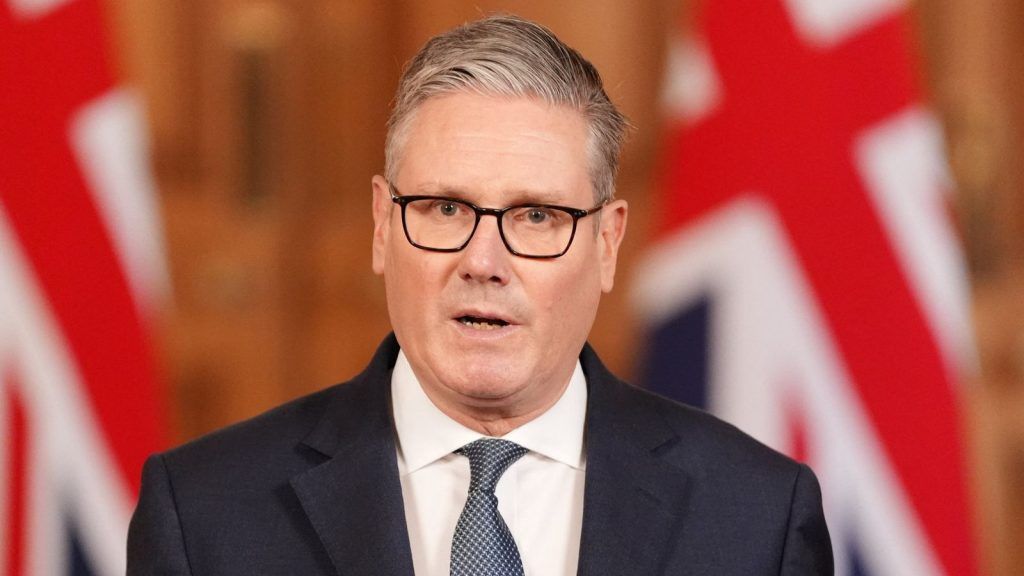
Prime Minister Sir Keir Starmer has adopted a measured stance in response to the recent assaults on Iran by the United States and Israel, reflecting a deliberate strategy to navigate the political landscape without overcommitting. This approach highlights his awareness of the potential fallout from the aggressive actions taken by former President Donald Trump, particularly the instability they might provoke in the region.
Pressures from the left wing of British politics have urged Starmer to label Trump’s actions as “illegal” and unjustified, while the right wing has pushed for him to align with the U.S. stance. Starmer’s response, however, has emphasized adherence to international law, distinguishing the UK’s role as a defensive one rather than an offensive participant in the strikes.
The Labour party’s caution on military action in the Middle East is rooted in its lingering apprehensions about the Iraq conflict. Despite British military assets now operating in the region, Starmer has insisted such activity is “in line with international law,” further distancing the UK from the American/Israeli campaign.
While he did not endorse Trump’s decision to strike Iran, Starmer affirmed the rationale behind the attacks, framing them as necessary responses to Iran’s oppressive regime. In a televised address, he highlighted the Iranian leadership’s “utterly abhorrent” record, including the murder of thousands of its own citizens, the suppression of dissent, and its efforts to destabilize the Middle East.
“The regime has murdered thousands of its own people, brutally crushed dissent and sought to destabilize the region,” Starmer stated, underscoring the direct threat Iran poses to UK security.
Starmer concluded by calling on Iran to “give up their weapons programmes and cease the appalling violence and repression,” though he avoided explicit support for regime change. This careful balance suggests a government that endorses the goals of the strikes but remains wary of the methods.
Trump’s actions and UK’s diplomatic positioning
Starmer’s cautious approach aligns with his broader foreign policy, which prioritizes maintaining the UK’s close ties with the White House. He has consistently placed the “special relationship” at the center of his international strategy, aiming to avoid further strain with Trump despite recent disagreements, such as refusing the use of British bases for U.S. operations and signing the Chagos deal with Mauritius.
As a former human rights lawyer, Starmer brings a nuanced perspective to the legal and moral implications of unilateral military actions. His awareness of the unpredictable consequences of such interventions—exemplified by the chaos of the Iraq war—has shaped his current position. For now, he has opted to remain on the sidelines, favoring a diplomatic approach over direct involvement.
Following the strikes, Starmer has received a phone call from Trump, alongside Turkey and Kuwait, as a reward for his middle-ground stance. The details of the conversation are sparse, with officials stating they “discussed the situation in the Middle East” and the “defensive operations” being conducted by UK forces in the region. While the exchange appears brief, Downing Street is relieved the communication has occurred, signaling a temporary truce in the political tension.
