
The $500 billion beauty industry’s ‘green’ ambitions are a patchwork at best. And they’re falling short
The $500 Billion Beauty Industry’s ‘Green’ Ambitions Are a Patchwork at Best. And They’re Falling Short
As the climate emergency intensifies, consumer habits are evolving, particularly within the $500 billion beauty sector, which faces a spectrum of sustainability hurdles across production, packaging, and waste management. The shift in buying behavior is evident, with many now prioritizing eco-conscious choices. However, the industry’s approach to greening its practices remains fragmented, failing to deliver cohesive results.
“Delay Means Death”: We’re Running Out of Ways to Adapt to the Climate Crisis
A 2021 report by Simon Kucher, a strategy and consulting firm, revealed that 60% of global consumers consider sustainability a key factor when purchasing, with 35% open to paying a premium for eco-friendly options. This growing demand has prompted brands to adopt environmental targets, such as phasing out single-use plastics, introducing refillable containers, and enhancing ingredient transparency. Yet, despite these efforts, customers still grapple with understanding a product’s true eco-impact, as highlighted by the British Beauty Council.
Uncertainty in Sustainability Standards
According to the British Beauty Council, the industry’s sustainability initiatives are inconsistent, creating confusion and allowing misleading claims to flourish. There’s no universal framework for how much ingredient data brands must disclose or how to present it, leading to varying criteria and practices. This lack of standardization has fueled “greenwashing,” where vague terms like “clean beauty” suggest natural or sustainable qualities without substantiation. For instance, some companies use such marketing to imply their products are organic or ethically made, even if that’s not always the case.
“The term ‘clean beauty’ has become quite dangerous. It’s used to sell more products,” said Millie Kendall, CEO of the British Beauty Council. “Customers need better marketing information and certification information.”
Even natural ingredients, often perceived as safer, can contribute to environmental issues. As Jen Lee, chief impact officer at US-based brand Beautycounter, noted, “Natural vs. synthetic ingredients has been a conversation. People think natural is safer, but it’s not always the case.” She pointed to the company’s “Never List,” which identifies over 2,800 chemicals, including heavy metals and parabens, that are excluded from its formulations. Meanwhile, Sasha Plavsic, founder of ILIA Beauty, shared that sourcing organic materials posed challenges, as they sometimes degraded under high manufacturing temperatures, compromising product performance.
“Not every synthetic is bad. Sometimes, it helps create the best in class formula,” Plavsic added.
Plavsic also emphasized that the transition to more sustainable practices wasn’t straightforward. “We used to be more natural and organic,” she said, noting that raw materials were inconsistently available and products often failed to meet performance expectations. The British Beauty Council further reported that 95% of the industry’s packaging ends up in landfills, with only a small fraction being recycled. Plastics make up 67% of the sector’s packaging volume, as per Vantage Market Research, and companies like L’Oréal used 144,430 metric tons of plastic in 2021, according to the Ellen MacArthur Foundation.
Plastic Packaging as a Major Challenge
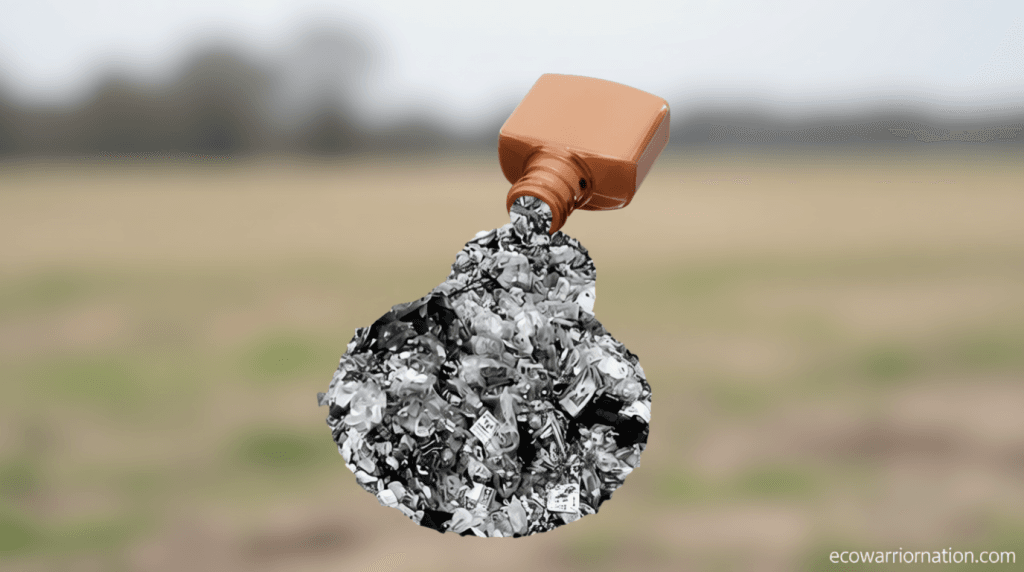
Plastic packaging is a standout issue, with the cosmetics industry ranking fourth globally in plastic usage, trailing only food and beverage, industrial, and pharmaceutical sectors. Despite ambitious pledges, the volume of non-recycled plastic remains alarmingly high. The lack of standardized regulations exacerbates the problem, allowing brands to set their own sustainability benchmarks and creating a disjointed landscape for consumers trying to assess eco-impact.
