
Exploring the Legacy of Scream 1: A Game-Changing Horror Classic

Exploring the Legacy of Scream 1: A Game-Changing Horror Classic
The Scream 1 film, released in 1996, marked a pivotal moment in horror cinema. Directed by Wes Craven and written by Kevin Williamson, it revitalized the slasher genre and introduced a new level of meta-horror that would go on to influence countless films. Scream 1 not only redefined what a slasher movie could be but also set a new standard for how horror films could engage with their audience. By blending self-awareness, humor, and chilling suspense, it became a groundbreaking classic that remains influential even decades after its release.
The Birth of Meta-Horror in Scream 1
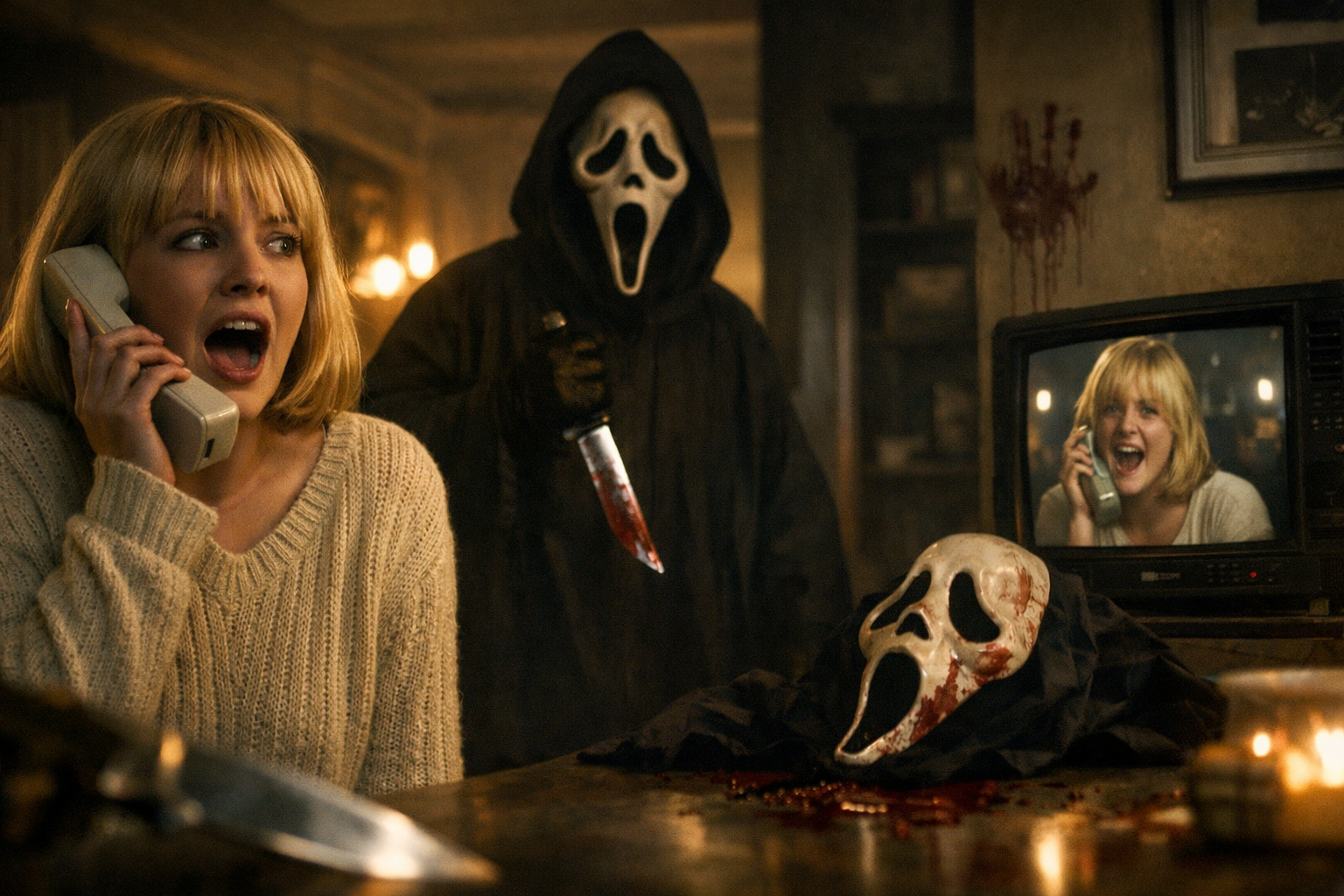
One of the most significant aspects of Scream 1 was its meta approach to horror. Unlike previous slasher films that adhered strictly to genre conventions, Scream 1 flipped the script by acknowledging them. The characters, especially the teens, were well aware of horror movie tropes and often discussed them openly. This self-awareness gave the film a unique edge, as it played with the audience’s expectations while still delivering the thrills of a classic slasher. The opening sequence alone, featuring Drew Barrymore’s iconic death, subverted expectations by having a major star killed off within minutes.
The clever use of references to other slasher films, including Halloween and Friday the 13th, not only entertained but also established a commentary on the genre. By addressing these conventions, Scream 1 allowed the audience to see familiar elements in a fresh light, making the scares feel both nostalgic and new.
The Iconic Ghostface Mask and its Cultural Impact
The Ghostface mask, now one of the most recognizable symbols of horror, became a lasting legacy of Scream 1. Simple yet terrifying, the mask was designed to evoke a sense of unease while being vague enough to maintain an air of mystery. It wasn’t just the look of the killer that made it iconic, but the film’s portrayal of Ghostface as both a person and a symbol of fear. The mask’s ambiguity allowed it to transcend the individual character of the killer, making it a broader symbol of terror.
The mask’s cultural impact is undeniable. It became an instantly recognizable image not just in the realm of horror but also in pop culture. From Halloween costumes to references in other films and TV shows, the Ghostface mask has cemented itself as a cornerstone of horror imagery. Even people who haven’t seen Scream 1 are likely familiar with the mask, showcasing its lasting power in the genre.
The Influence on the Slasher Genre
Before Scream 1, the slasher genre had begun to feel stale, with many films following the same tired formulas. Scream 1 revitalized the genre by introducing a self-aware narrative that both embraced and subverted the typical slasher elements. It reminded audiences of the thrills and excitement that could still be found within the genre.
What made Scream 1 stand out was its ability to modernize the slasher while honoring its roots. It introduced a new kind of villain — not just a mindless killer, but one who was capable of taunting the victims and even the audience. Ghostface was no longer a faceless murderer; he became a character with motivations and a presence that could engage with the characters and viewers on a deeper level. This made him all the more terrifying.
Additionally, Scream 1 brought back the slasher film’s trademark whodunit aspect. The film’s mystery element kept viewers guessing throughout, something that was often neglected in earlier slasher films. This added complexity to the narrative and provided a fresh take on the traditional formula.
The Role of Sidney Prescott and the Final Girl Trope
Sidney Prescott, played by Neve Campbell, became the definitive final girl in Scream 1. The final girl trope had been a central element of slasher films since the 1970s, with characters like Laurie Strode from Halloween paving the way. However, Sidney’s character in Scream 1 was different in that she was not just a passive victim waiting to be saved. She was active, resourceful, and capable of fighting back, making her a more empowered version of the final girl.
Her journey throughout the film is one of personal growth and strength. As the film progresses, Sidney evolves from a grieving teenager to a determined survivor, willing to confront the killer head-on. This empowered portrayal of a final girl helped redefine the role for future films in the genre, breaking free from the traditional damsel-in-distress narrative that had plagued earlier horror films.
A New Era of Horror Fans
Scream 1 played a significant role in attracting a new generation of horror fans. It was a film that appealed to both long-time horror enthusiasts and newcomers to the genre. The mix of humor, suspense, and clever commentary on horror tropes made it accessible to a wide audience. The film’s ability to blend these elements created an experience that felt both thrilling and intellectually stimulating.
Moreover, Scream 1 introduced a more diverse group of characters, making it more relatable to a broader demographic. The film’s success helped pave the way for a new wave of teen-centered horror films that followed in its footsteps, including films like I Know What You Did Last Summer and The Faculty. These films, often referred to as “post-Scream” horror, owe much of their success to the groundwork laid by Scream 1.
Conclusion
Scream 1 remains one of the most influential horror films of all time. By blending a self-aware narrative, a memorable antagonist, and a fresh take on the slasher genre, it changed the way audiences experienced horror. Its legacy is still felt today, with the Ghostface mask continuing to haunt pop culture and the impact of the film evident in countless other works. Scream 1 was not just a movie; it was a revolution in horror cinema that paved the way for the genre’s evolution.
FAQ
Q: What makes Scream 1 a game-changing horror movie?
A: Scream 1 redefined the slasher genre by introducing a meta-narrative that acknowledged and subverted classic horror tropes, creating a self-aware and thrilling experience for audiences.
Q: How did Scream 1 influence the slasher genre?
A: Scream 1 revitalized the slasher genre by blending humor, suspense, and a modern take on classic elements, making it more engaging for both longtime fans and newcomers.
Q: Why is the Ghostface mask iconic?
A: The Ghostface mask became iconic due to its simple yet chilling design, which has transcended Scream 1 to become a symbol of fear and horror in pop culture.
Q: How does Sidney Prescott redefine the final girl trope in Scream 1?
A: Sidney Prescott’s character is more empowered than previous final girls, actively confronting the killer and growing stronger throughout the film, which reshaped the role for future horror films.
Q: What impact did Scream 1 have on horror fans?
A: Scream 1 attracted a new generation of horror fans by blending suspense, humor, and self-awareness, and it helped popularize a wave of teen-centered horror films.
