

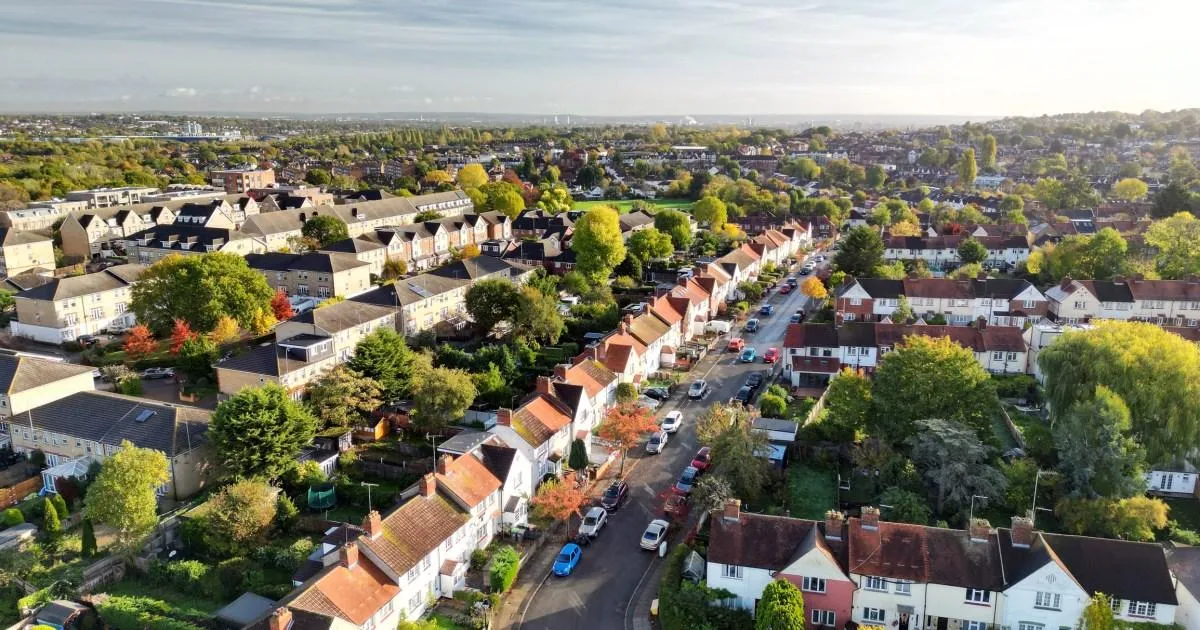
This is the salary you need to buy a home in 7 UK cities — and it’s bleak
This is the salary you need – Back in the past, the disparity between a paycheck and the cost of a house wasn’t as staggering as it is today. People managed to live comfortably without landlords, thanks to more manageable prices and simpler financial requirements. But now, the situation has shifted dramatically, making homeownership a far more daunting challenge for everyday workers.
Consider the case of London, where the average property price in 1986 was just £55,000. By 2026, that figure has soared to £671,641, illustrating a stark rise in housing costs. This trend has made the path to homeownership increasingly difficult, especially for those earning the standard wage.
Breaking Down the Numbers
New data from Mortgage Lane reveals the exact income needed to climb the property ladder in seven major UK cities. The findings are striking, particularly in the capital, where the financial hurdle is the highest. For instance, to secure a first home in London, a household would need to generate £94,200 annually, according to the analysis.
The calculation method involved evaluating the median first-time buyer price in each city and then estimating the required 10% deposit. The remaining amount is covered by a mortgage, which forms the core of the affordability equation. In London, the average home price for a new buyer is £471,000. A 10% deposit of £47,100 leaves £423,900 for the mortgage. The figures are clear: without a combined income of £94,200, owning a home in the capital becomes nearly impossible.
Et voilà. The rest is history.
For those purchasing with a partner, the required salary halves, but the figures still reflect a significant financial commitment. Even if shared, the £63,000 needed in Bristol or £46,600 in Manchester remains a substantial burden for many.
Regional Variations and Challenges
While London sets the bar high, other cities offer slightly more manageable options. In Bristol, the average home price is £315,000, requiring a deposit of £31,500. This leaves £283,500 for the mortgage, translating to a household salary of £63,000. If a couple splits the cost, £31,500 each could suffice, but for individuals, this would mean earning over £40,000.
Manchester presents a more achievable target, with an average first-time buyer price of £233,000. A 10% deposit of £23,300 means a mortgage of £209,700, which requires a minimum annual salary of £46,600. Leeds, located just over the Pennines, comes in at £213,000 for an average home, with a deposit of £21,300. The mortgage balance of £191,700 would need a total income of £42,600, still a considerable sum.
Birmingham, a city in the south, requires £42,200 in annual income to afford a home priced at £211,000. This is slightly higher than the national average, which stands at £39,039 for full-time workers. However, the median gross salary in Birmingham is £33,800, meaning the affordability gap is even more pronounced.
Below the National Average
Among the surveyed cities, Liverpool and Glasgow stand out as the only places where the required salary is below the national average. In Liverpool, a household income of £38,000 is needed to afford a first home priced at £190,000. Glasgow requires a minimum of £36,600, which is just £2,439 above the average UK salary. These figures offer some hope, though they still represent a significant financial challenge for many.
It’s worth noting that the salary figures often combine two incomes. This means that a couple might manage with lower individual earnings, but for single individuals, the task is even harder. Single women, in particular, face additional barriers, as the market favors those with dual incomes or stable financial support.
For example, in Manchester, a single person would need a salary of £46,600 to afford a £233,000 home. This is over £7,500 more than the median salary in the area, highlighting the difficulty of purchasing property alone. Similar challenges exist in other cities, where the average salary needed exceeds the local median by thousands of pounds.
The Role of Mortgage Lenders
London & Country (L&C) Mortgages, a partner of Metro, offers free mortgage advice to help navigate these financial hurdles. The service is authorised and regulated by the Financial Conduct Authority (FCA), registered under number 143002. While this ensures a level of reliability, it’s important to remember that most Buy to Let mortgages aren’t regulated by the FCA, adding an extra layer of complexity for renters.
Homeownership is a major financial milestone, and the required income is a clear indicator of how unattainable it has become. The implications are far-reaching, affecting not just individuals but entire communities. As property prices continue to rise, the dream of owning a home may remain out of reach for many, especially in cities where the gap between average salaries and property costs is widening.
In summary, the salaries needed to buy a home in the UK’s major cities have reached unprecedented levels. From London’s towering £94,200 to Birmingham’s £42,200, the numbers reflect a market that has become increasingly unforgiving. As more people struggle to meet these requirements, the housing crisis shows no signs of easing, with affordability rates continuing to outpace income growth.
Additional Resources
For those interested in exploring further, there are several related stories that shed light on the broader implications of the housing market. One highlights the issue of holiday cottages built illegally on ancient woodland, set to be demolished due to their impact on protected land. Another discusses the unintended consequences of the Renters’ Rights Act, which some argue is leaving tenants in a difficult position.
This article is protected by reCAPTCHA, ensuring the security of your information. The Google Privacy Policy and Terms of Service apply, and your data will be used in line with Metro’s Privacy Policy. As the cost of living continues to climb, these insights serve as a reminder of the challenges facing homeowners in the UK today.