
Top African Referee Omar Artan Denied Entry to USA for World Cup
African Referee Faces Hurdle in US Entry
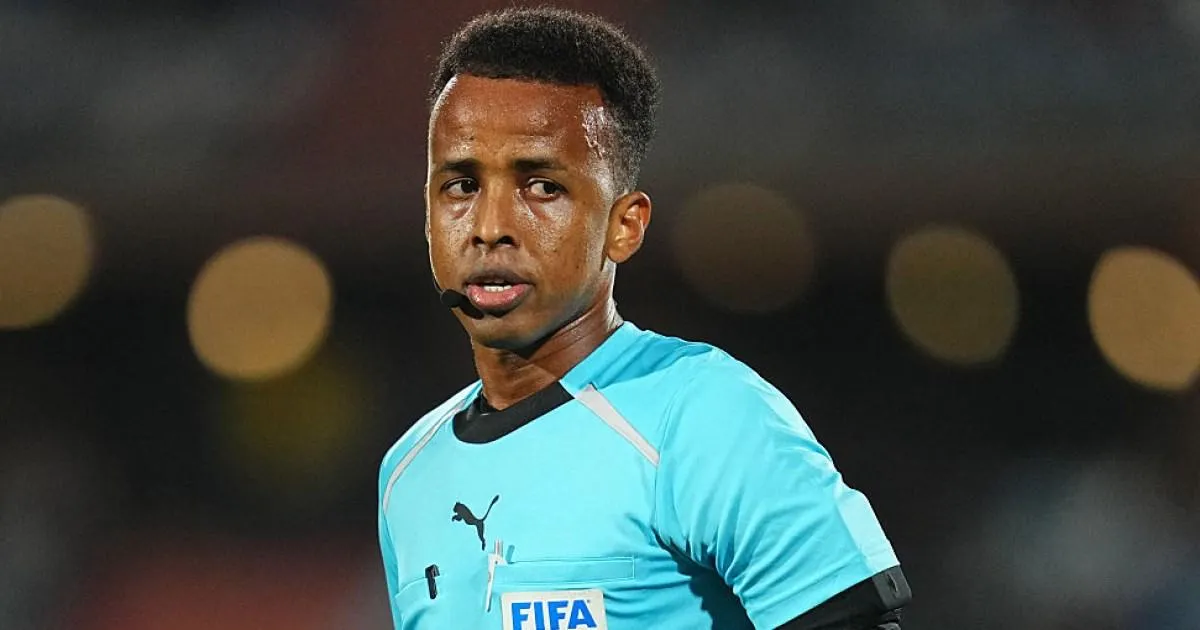
Top African referee Omar Artan denied – Omar Artan, a distinguished Somali referee, has encountered unexpected challenges in his bid to enter the United States for the upcoming World Cup. The 34-year-old, known for his outstanding performances in international competitions, was set to take charge of matches during the tournament. However, his arrival was blocked despite having all necessary travel documents, including a valid visa and a diplomatic passport issued in Nairobi. Artan’s journey to the US began with a stop in Kenya and Turkey, where he secured his diplomatic credentials in an effort to facilitate smoother passage. This decision was part of broader diplomatic efforts to support his participation in the global event. Yet, the move did not guarantee entry, as the US imposed a travel ban on several countries, including Somalia, under President Trump’s administration. FIFA had recently claimed that Artan’s visa situation had been “fully resolved,” ensuring his availability for World Cup duties. This statement came after weeks of speculation about his eligibility. Nonetheless, the denial of his entry has raised questions about the consistency of the visa process and its impact on international football. Artan, who returned to Istanbul, remains uncertain about his future in the tournament.
Impact on Football’s Global Integrity
Ciise Aden Abshir, a senior advisor at Somalia’s Ministry of Youth and Sports, expressed concern over the situation. In a statement to AFP, she emphasized Artan’s status as one of Africa’s most respected referees. “His exclusion not only affects his personal career but also undermines football’s commitment to fairness and merit,” she argued. Abshir highlighted that Artan had a valid visa for the US and had already traveled to Istanbul. “The refusal to allow him entry denies him the opportunity to officiate at the World Cup, which he was selected for,” she said. She also pointed out that the decision to block his access could set a precedent for other African officials. Artan’s career has been marked by significant milestones. He has been a FIFA referee since 2018 and has taken charge of matches in major tournaments such as the African Cup of Nations and the CAF Champions League. In 2025, he was honored with the CAF Men’s Referee of the Year award, a testament to his skill and dedication to the sport. This year, he became the first Somali to be named to referee at the World Cup finals, a historic achievement that had sparked excitement in the football community.
Broader Implications for International Participation
The issue of Artan’s entry has sparked a debate about the US’s immigration policies and their effect on global sports events. While the focus has been on his personal case, similar challenges have emerged for the Iranian national team. Players were only issued visas at the last minute, forcing them to travel between Mexico and the US on the same day as their matches. This logistical complication has raised concerns about the fairness of the process. The US State Department cited the need to prevent “abuse of the system” by allowing terrorists to enter the country under false pretenses. However, critics argue that such restrictions may be overreaching, especially when they affect teams preparing for high-stakes competitions. Artan’s situation is not an isolated incident. Other African referees and officials have also faced hurdles due to the travel ban. The decision to deny his entry highlights the tension between political considerations and the sporting world’s reliance on international talent. FIFA, while supporting Artan, has not yet clarified how it will address the broader implications of the visa restrictions.
Legacy and Future Prospects
Artan’s career has been a source of pride for Somalia and the wider African football community. His selection for the World Cup was seen as a milestone, representing the growing recognition of African officials on the global stage. The denial of his entry has sparked discussions about the barriers facing athletes and officials from countries under US sanctions. Despite the setback, Artan remains a key figure in international refereeing. His experience and reputation have made him a trusted arbiter in high-profile matches, and his exclusion from the World Cup has left a gap in the scheduling. Supporters argue that his presence would have strengthened the tournament’s credibility, especially in a year where diversity and representation are central themes. The incident also brings attention to the challenges of international collaboration in sports. While FIFA works to ensure fair officiating, the US visa policies have created obstacles for athletes and officials. This has led to calls for a more flexible approach, particularly as the World Cup serves as a platform to showcase global talent.
Reactions and Calls for Reevaluation
Ciise Aden Abshir’s comments underscore the importance of Artan’s role in the football community. She stressed that the denial of entry harms not just individuals but the entire sport’s ethos. “Fair play and merit should be the guiding principles,” she said. “If we exclude qualified officials based on political decisions, it weakens the integrity of the game.” The travel ban has also affected other teams, including the Iranian squad. Their last-minute visa arrangements have added pressure to their preparations, with players required to travel between Mexico and the US on the same day as matches. This has raised questions about the efficiency of the visa process and its impact on team performance. While the US State Department maintains that the ban is necessary to prevent security risks, some believe it has been applied inconsistently. Artan’s case, along with those of other officials, illustrates how political decisions can disrupt sports events. FIFA’s support for him suggests that the organization is committed to ensuring his participation, but the broader implications remain unclear. The situation has sparked a renewed conversation about the role of diplomacy in sports. Artan’s denial serves as a reminder of the delicate balance between national security and international cooperation. As the World Cup approaches, the focus is on how these challenges will be addressed to maintain the tournament’s global appeal.
Looking Ahead
With the World Cup just weeks away, the football community is hopeful that solutions will be found. Artan’s return to Istanbul has been temporary, and there is still a possibility he may be allowed entry in the future. Meanwhile, the Iranian team continues to navigate their own visa issues, with a focus on ensuring their participation. The incident underscores the importance of a streamlined process for international athletes and officials. While the US’s travel restrictions are well-intentioned, their impact on sports events is undeniable. As the tournament progresses, the hope is that these challenges will be resolved, allowing top talent to contribute to the global game.
Final Thoughts
Omar Artan’s story is a reflection of the broader challenges faced by international sports in navigating political landscapes. His exclusion from the World Cup has raised questions about the fairness of the visa process and its effect on the sport’s diversity. As football continues to unite nations, the need for inclusive policies becomes increasingly critical. The decision to deny Artan entry serves as a reminder that even the most respected officials can be affected by geopolitical tensions. While the outcome may not be entirely clear, the football community remains committed to supporting those who contribute to the sport’s growth and integrity.
Everything you need to know about the World Cup – England updates, the games to watch and stories you missed – in five minutes, at 1pm, every day. Sign up here.
This site is protected by reCAPTCHA and the Google Privacy Policy and Terms of Service apply. Your information will be used in line with our Privacy Policy.