
Iran names slain supreme leader’s son as successor, in a defiant message to Trump
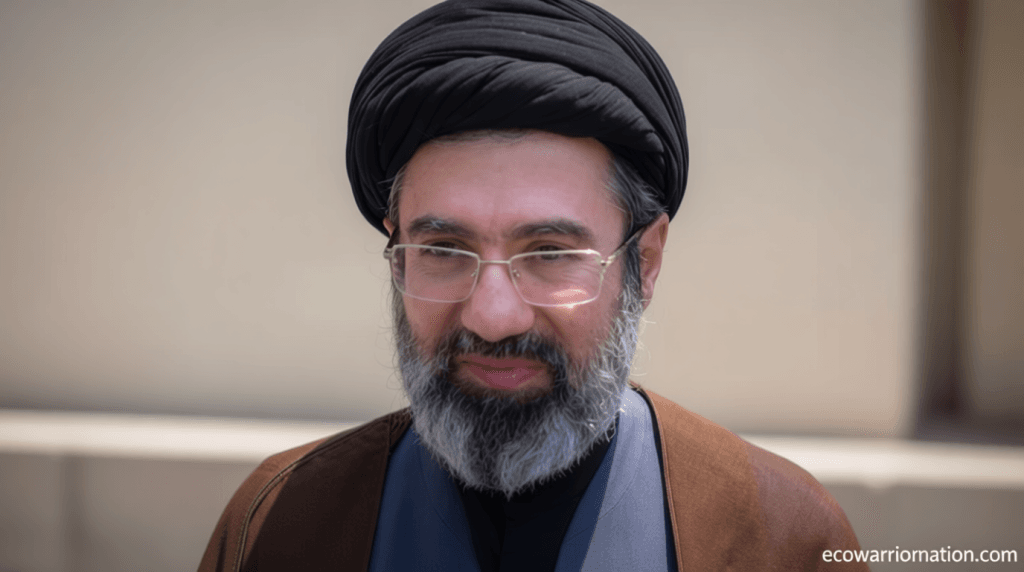
Iran Names Slain Supreme Leader’s Son as Successor, in a Defiant Message to Trump
A New Chapter for the Islamic Republic
In a move that underscores the persistence of hardline ideology, Iran has appointed Mojtaba Khamenei, the son of the late Supreme Leader Ali Khamenei, to the role his father held for over 30 years. The decision, made by the 88-member Assembly of Experts, has drawn sharp criticism from reformists who once envisioned a shift away from dynastic succession. Mojtaba’s elevation signals a continuation of the Khamenei family’s influence, with the new leader expected to reinforce the regime’s traditional power structures.
The appointment of Mojtaba, a figure once labeled “unacceptable” by U.S. President Donald Trump, appears deliberate. It sends a clear message that Iran’s leadership remains unyielding in the face of American pressure. Analysts suggest this move is part of a broader strategy to consolidate authority under the Revolutionary Guards, ensuring stability amid ongoing regional tensions.
State Media’s Strategic Narrative
Even before the full impact of the news could spread, state media launched a campaign to shape public perception. Within hours of Mojtaba’s selection, a four-minute documentary was released highlighting his early life, religious education, and his service as a teenager during the Iran-Iraq war. The film emphasizes his loyalty to the revolution and his readiness to lead, countering concerns about his scholarly qualifications for the role of vali-faqih.
“Mojtaba may you die so you don’t assume the leadership role,”
protesters had once chanted during the 2009 uprising. This criticism, however, has been overshadowed by the regime’s efforts to reframe his image as a capable successor. The documentary aims to preempt skepticism by showcasing his deep ties to both religious and military institutions.
Behind the Scenes: A Quiet Operator
Mojtaba Khamenei, born in 1969, received religious training similar to his siblings but never attained the rank of Mujtahid, a title often seen as essential for supreme leadership. Despite his low public profile, he has been a key player within his father’s system. His marriage to Zahra, daughter of Khamenei’s ally Gholam Haddad Adel, further cements his political alliances.
Over the years, Mojtaba has quietly maneuvered through Iran’s bureaucracy, strengthening relationships with the Islamic Revolutionary Guard Corps (IRGC) and economic networks that support the regime. The scarcity of public footage of him has led state media to use AI-generated videos to fill gaps in his profile, ensuring a consistent narrative of his capabilities.
Legacy of Influence
Mojtaba’s role in the 2005 presidential elections highlights his growing political clout. He is believed to have played a critical part in backing Mahmoud Ahmadinejad, a hardline candidate opposed by reformist figures like Akbar Hashemi Rafsanjani. The 2009 protests, which erupted over allegations of electoral fraud, revealed his increasing prominence, with demonstrators targeting him as a symbol of the system’s resistance to change.
His political acumen was further demonstrated in 2019, when the U.S. Treasury sanctioned him for his collaboration with the Revolutionary Guards’ commander. The sanctions accused him of advancing his father’s “destabilizing regional ambitions” and “oppressive domestic objectives.” Now, with the ninth day of the U.S.-Israel attack that killed his father, Mojtaba’s ascent marks a new era of consolidation for Iran’s conservative leadership.
