
Iran threatens Gulf energy facilities after Israeli attack on its largest gasfield
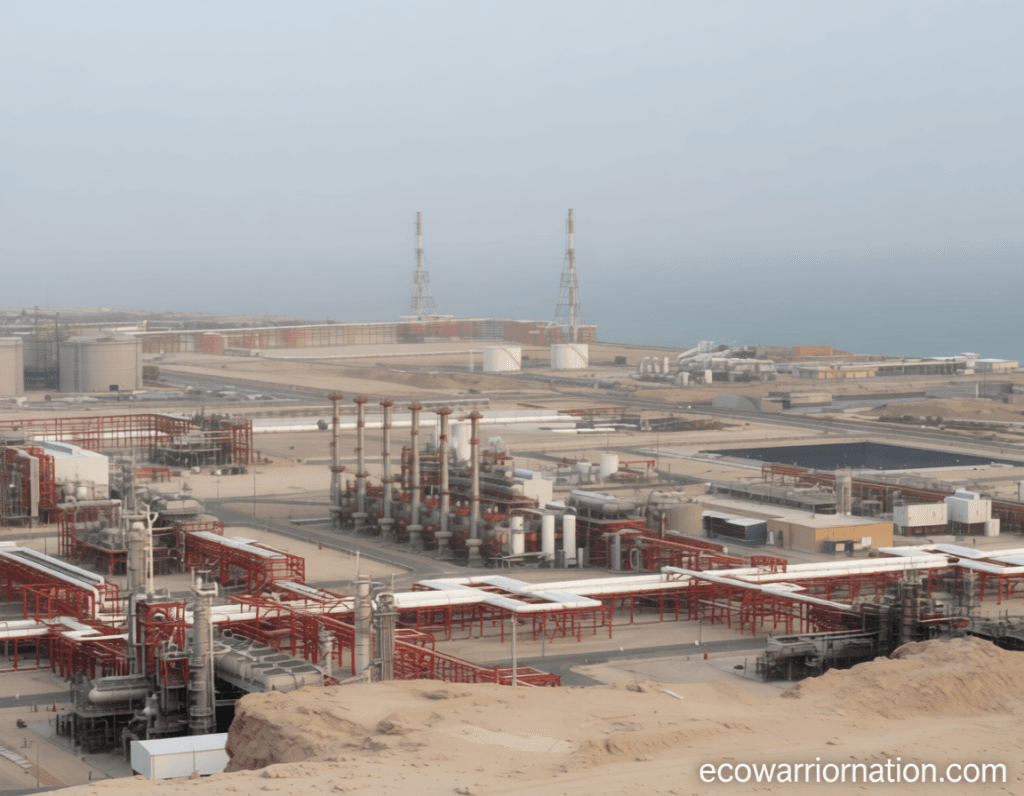
Iran vows Gulf energy retaliation following Israeli strike on key gasfield
Iran has vowed to strike energy infrastructure across the Gulf region in response to Israeli missile attacks on its largest gasfield, marking the first deliberate assaults on its fossil fuel production since the conflict began. The strikes, reported by state media, targeted the South Pars gas facilities—shared with Qatar—fueling Iran’s threats of counterstrikes on Saudi Arabia’s Samref refinery, Jubail petrochemical complex, UAE’s al-Hosn gasfield, and Qatar’s Mesaieed complex and Ras Laffan refinery.
Strikes Signal Military Escalation
The Israeli strikes, reportedly authorized by the US, struck the core of Iran’s gas infrastructure, signaling a significant shift in US-Israeli military strategy. Until now, both nations had avoided direct attacks on Iran’s oil and gas sectors, which helped mitigate global oil price spikes. However, the assault has now triggered fears of broader disruptions to energy supplies.
“These centres have become direct and legitimate targets and will be targeted in the coming hours. Therefore, all citizens, residents, and employees are requested to immediately leave these areas and move to a safe distance without any delay,” the warning said.
Global Markets React to Rising Threats
Oil prices surged to $110 per barrel, while Europe’s gas prices spiked by over 7.5%, reaching €55.50 per megawatt hour. The escalation has intensified concerns about supply chain vulnerabilities, particularly as the Strait of Hormuz remains a critical chokepoint for global oil trade. The third week of the war saw Iranian attacks on the UAE’s Shah gasfield, alongside strikes on Iraq’s Majnoon oilfield and Fujairah port, a major oil storage hub.
Strait of Hormuz as Strategic Lever
Since the start of the month, the Islamic Revolutionary Guard Corps (IRGC) has controlled the Strait of Hormuz, a vital route for a fifth of the world’s seaborne oil. This has forced Gulf producers to shut down their own fields after diverting as much crude as possible through pipelines. Daily exports from the region have dropped by at least 60% from prewar levels, creating a precarious situation for energy security.
Condemnation and Economic Concerns
The US-Israeli escalation was denounced as “political suicide” by Eskandar Pasalar, governor of Assaluyeh. He claimed the war has shifted to a “full-scale economic war.” A Qatari official, Majid al-Ansari, added that targeting energy infrastructure poses a threat to global energy stability and regional populations.
Oil Price Surge and Supply Chain Pressures
Global oil prices pushed past $116 per barrel early last week, the highest since May 2022, as traders factored in the war’s toll on oil and gas supply chains. Fossil fuel tankers have faced challenges leaving the Gulf, with Iran threatening to set ablaze vessels carrying crude from neighboring states. This has compounded the impact of drone and missile strikes on regional exports.
