
What is the strait of Hormuz and can the US stop Iran from blocking it?
What is the strait of Hormuz and can the US stop Iran from blocking it?
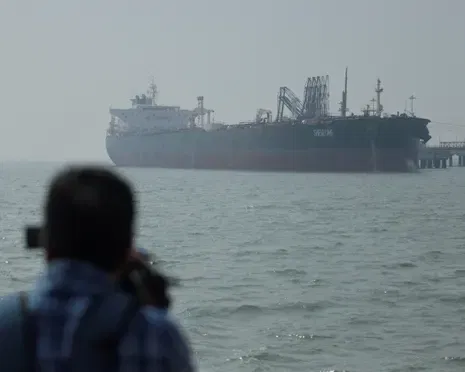
Iran’s closure of the strategic waterway has disrupted the flow of over 1,000 oil and gas tankers, halting their passage through the strait. This action followed the Israeli-US conflict against Tehran, which has intensified pressure on the region. Despite proposed solutions from the Trump administration, the situation has worsened as Iran escalates attacks and begins mining the strait, leaving the option of naval escorts unfulfilled. Global energy prices have surged amid these disruptions.
As the sole maritime corridor connecting the Gulf to the Gulf of Oman, the strait serves as a vital artery for nearly a quarter of the world’s liquefied natural gas and seaborne trade. Its narrowest point measures 21 nautical miles wide, with two-mile-wide lanes for outbound and inbound traffic. These lanes are flanked by Iran’s coastline and the Musandam peninsula in Oman, creating a chokepoint that is critically vulnerable to blockades.
“It’ll happen relatively soon, but it can’t happen now,” said energy secretary Chris Wright. “We’re simply not ready.” Wright’s remark followed earlier claims that a naval escort had already been deployed, which proved incorrect.
Historical precedents show the strait has long been a target for strategic leverage. During the Iran-Iraq war in the 1980s, Iran launched the “tanker war” to disrupt global trade. In response, the US deployed Operation Earnest Will in 1987, the largest convoy operation since World War II. Today, Iran seeks to replicate this tactic, using small, fast boats to lay mines and attack ships, effectively closing the strait to marine traffic.
Iran’s proximity to the waterway enables swift missile and drone strikes, complicating defense efforts. Ships navigating the lanes have less than two minutes to react to threats launched from just 3 to 4 miles offshore. This dynamic raises concerns about the US Navy’s ability to intervene, as its current focus remains on dismantling Iran’s military capabilities. “We’re not ready,” Wright emphasized, highlighting the logistical strain on US forces.
Analysts noted that Iran’s aggressive measures may reflect an existential threat to its regime. Unlike earlier assumptions that Tehran would maintain open lanes to export oil, the situation has escalated into a more severe blockade. The US, while possessing one of the world’s most formidable navies, faces challenges in deploying sufficient assets. Adel Bakawan, director of the European Institute for Studies on the Middle East and North Africa, stated: “Neither France, the United States, an international coalition, nor anyone else is in a position to secure the strait of Hormuz.”
Iran’s mine-laying operations, involving conventional vessels and even fishing boats, pose a multifaceted threat. Mines can be deployed near the surface or anchored to the seabed, detonating at depths up to 164 feet. This capability allows Iran to create a psychological impact on global shipping while physically obstructing transit. The US must now account for both the immediate danger to its naval forces and the broader implications for international trade.
