
Londoners endure major rush hour delays across several Tube lines
Londoners endure major rush hour delays – Commuters in London are facing significant disruptions as multiple Tube lines experience prolonged delays during the morning rush hour. The Circle, District, and Piccadilly lines are all impacted, forcing travelers to adjust their schedules and navigate alternative routes. The issues stem from a combination of technical problems and incidents that have left parts of the network in chaos.
Key Affected Lines
At the heart of the disruption is the Circle line, which has been brought to a standstill due to an earlier fire alert at Bayswater station. This incident has caused widespread delays across the entire route, making it difficult for passengers to move between central London and its outer boroughs. Meanwhile, the District line is also suffering from major slowdowns between Edgware Road and High Street Kensington, as the same fire alert has triggered a chain of complications.
The Piccadilly line is not faring better, with severe delays reported between Acton Town and Uxbridge, as well as between Acton Town and Heathrow Terminal T5. Additionally, the stretch connecting Heathrow Terminal T4 to Acton Town has been affected, further complicating travel for those heading to or coming from the airport. These delays are expected to persist for several hours, with the problem likely to last until at least 6pm, though this timeline remains tentative.
Specific Disruptions
While the Circle, District, and Piccadilly lines dominate the headlines, other services are also experiencing challenges. The Central line has seen minor delays between Hainault and Woodford after a signal failure, according to the latest updates from Transport for London (TfL). This issue, though less severe, still impacts thousands of commuters relying on the line for their daily commutes. Similarly, the Victoria line is experiencing some minor delays across its entire route due to a track fault that has yet to be fully resolved.
On the Overground network, the Suffragette line has become a focal point of the disruption. Passengers traveling between South Tottenham and Gospel Oak in both directions are facing severe delays, while the section between Barking Riverside and South Tottenham is suspended due to a freight train breakdown at Wansted Park. This incident has effectively blocked the line, forcing rail services to reroute or operate with reduced frequency. The situation has drawn particular attention from those who rely on the Overground for cross-London travel, as the line connects key suburban areas to the city center.
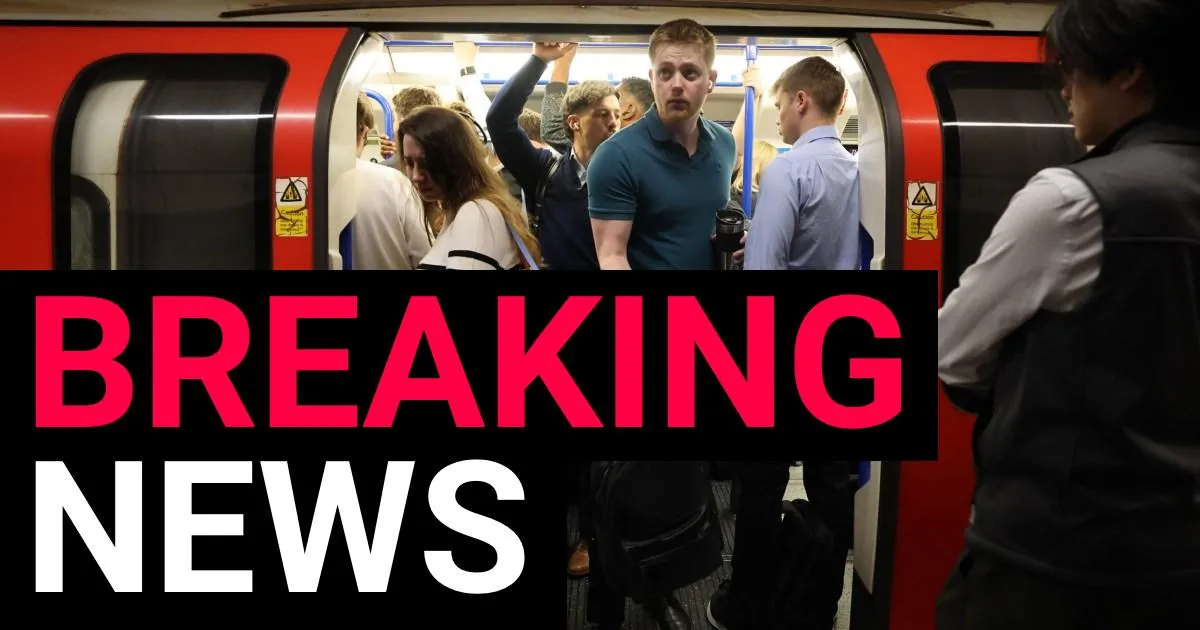
The impact of these delays is felt most acutely during peak times, when the Tube is at its busiest. Commuters attempting to reach their workplaces or return home are encountering longer wait times and overcrowded carriages, exacerbating the frustration of an already strained public transport system. With multiple lines affected simultaneously, the city’s transportation network is under considerable pressure, highlighting the importance of reliable infrastructure for daily life.
Impact on Daily Life
For many Londoners, the morning and evening rush hours are the most challenging times of the day. The current disruptions have added to the difficulties, as delays on the Circle and Piccadilly lines force passengers to wait longer for trains or take longer routes. This has led to increased congestion at stations, with some commuters opting to use alternative modes of transport such as buses or taxis to avoid the delays. Others have had to start their journeys earlier to compensate for the extra time required to navigate the affected services.
Businesses and schools near the affected stations are also feeling the ripple effects. Employees who rely on the Tube to get to their offices are finding themselves late, while students may be missing classes or extracurricular activities. The situation has sparked conversations about the resilience of London’s transport system, with some residents questioning whether the city’s infrastructure is prepared for such large-scale disruptions.
Despite the challenges, TfL continues to monitor the situation closely and is working to restore services as quickly as possible. Engineers are on-site to address the fire alert at Bayswater and the freight train issue on the Suffragette line, while technicians are tackling the signal failure on the Central line. However, the complexity of the problems means that full resolution may take time, and passengers are advised to check for updates before planning their commutes.
Additional Context
While the current delays are the focus of attention, they are not the first instance of significant disruptions on the London Underground. In recent months, similar issues have plagued the network, with passengers often facing unexpected changes to their travel plans. These incidents have led to calls for greater investment in infrastructure and maintenance, as well as the need for improved communication during emergencies.
The Circle and Piccadilly lines, which are among the oldest in the system, have long been prone to technical difficulties. The fire alert at Bayswater station, though recent, is part of a pattern of incidents that have raised concerns about the aging equipment and the need for modernization. The Piccadilly line, which has also been affected by signal problems, is a critical route for both commuters and tourists, making its disruption particularly impactful.
Meanwhile, the Overground’s Suffragette line, named after the suffragette movement, has become a symbol of the broader issues facing London’s transport network. The suspension of the Barking Riverside to South Tottenham stretch has left many passengers stranded, with alternative routes proving less efficient. TfL has been working to manage the situation, but the scale of the problem underscores the challenges of maintaining a reliable service across multiple lines and regions.
As the day progresses, the situation may improve, but for now, Londoners are left navigating an unpredictable journey. The delays have created a sense of urgency, with commuters encouraged to use real-time updates and alternative transport options. The city’s transport authority is under pressure to address the root causes of these disruptions and ensure that the network can handle the demands of daily life without significant interruptions.
For those affected, the experience is a reminder of how dependent the city’s population is on public transport. The combination of technical failures and unexpected incidents has disrupted routines and highlighted the need for contingency plans. As the afternoon approaches, the hope is that the issues will be resolved, allowing commuters to return to their regular schedules and easing the strain on the city’s transport network.
If you have a story about the impact of these delays or want to share your experiences, Metro.co.uk’s news team is eager to hear from you. You can reach out by emailing webnews@metro.co.uk or submitting your videos and pictures through their online platform. The site is also protected by reCAPTCHA, with the Google Privacy Policy and Terms of Service applying to all users. Your information will be used in accordance with Metro’s Privacy Policy, ensuring transparency and security in the process.
Stay updated with the latest news by following Metro.co.uk on Twitter and Facebook. The site now offers daily push alerts, delivering breaking stories directly to your device. Whether you’re commuting to work or exploring the city, these updates will keep you informed of any changes to the Tube and Overground services.
As the clock ticks toward 6pm, the focus remains on resolving the issues that have caused such widespread delays. TfL’s efforts to address the problems on the Circle, District, Piccadilly, and Suffragette lines are critical, but the complexity of the situation means that patience is required from all users. The city’s transport network, though resilient, is constantly being tested, and the current disruptions serve as a timely reminder of the challenges that lie ahead.