
Charity hikers booed for cutting ahead of the line on Snowdon race
Three Peaks Challenge participants face criticism for bypassing climbers during summit climb
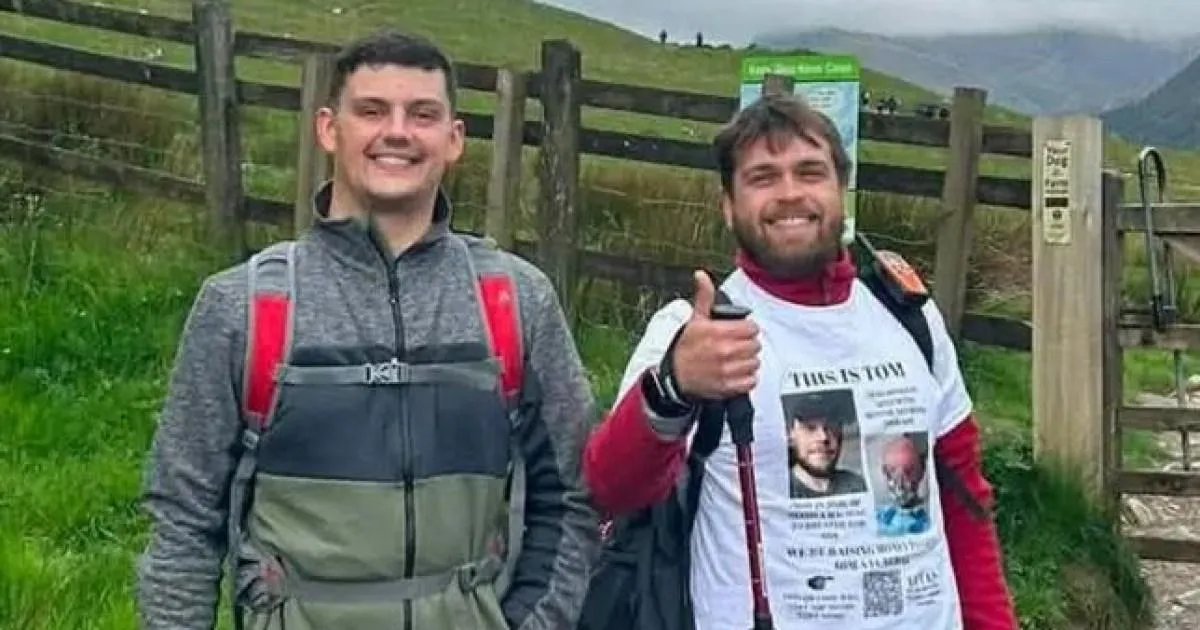
Charity hikers booed for swerving queue – During a recent Three Peaks Challenge event on Mount Snowdon, two hikers drew disapproval from spectators for bypassing a queue of climbers. The pair, Rick Thiedeman and Jamie Richardson, were attempting the grueling race to raise funds for their terminally ill schoolmate, Tom Hynes. Their decision to prioritize speed over waiting sparked a wave of online backlash, with some viewers accusing them of being rude or disrespectful. The incident highlights the tension between efficiency and community spirit in high-stakes fundraising events.
“It felt like the crowd was being unfair, especially since we were trying to support a cause,” Thiedeman said. “I can’t understand why someone working to raise money for a friend would be booed at the top of a mountain.”
The hikers’ actions, though controversial, were rooted in a desire to maximize their limited time for the challenge, which requires climbers to ascend the UK’s three highest peaks within a strict timeframe.
Event organizers defend rule allowing summit shortcuts
Organizers of the Three Peaks Challenge confirmed that bypassing queues is permitted at the summit to ensure participants meet the time constraints. Thiedeman and Richardson had already conquered Ben Nevis and Scafell Pike, and their goal was to reach Snowdon’s summit as quickly as possible. However, the 40-minute wait for photos created a dilemma, as every second counted toward their overall goal of completing the course in record time.
While the pair acknowledged the crowd’s frustration, they emphasized the personal stakes behind their choice. Hynes, 31, was diagnosed with motor neurone disease in November 2023, and his family faces significant financial strain due to medical expenses. “We’re not just competing for speed—we’re raising money to help a loved one fight a terminal illness,” Richardson explained, highlighting the emotional weight of their participation.
Online debate sparks reflection on event dynamics
The hikers’ experience has ignited discussions about spectator expectations and the pressures of endurance events. Some argue that the crowd’s reaction was excessive, while others support the onlookers’ right to express frustration. Thiedeman noted that the boos were concentrated at the final trig point, where the physical and emotional demands of the challenge peak. “It’s a tough climb, and people might not realize the urgency behind our decision,” he added.
Despite the negative encounter, the pair found encouragement in other parts of the journey. On Ben Nevis, they described a supportive atmosphere where fellow climbers cheered one another on. This contrast underscores the variability of experiences during the Three Peaks Challenge, which combines physical endurance with communal fundraising efforts.
Personal stories drive the spirit of the event
Hynes’ condition, which gradually weakens muscles and limits mobility, has made his family’s fundraising mission critical. Thiedeman, who wore a T-shirt featuring Hynes using breathing equipment, stated the visual reminder of his friend’s struggle was a powerful motivator. “It’s not just about the climb—it’s about making a difference for someone who’s fighting for their life,” he said. The incident has since been shared widely online, drawing attention to the challenges faced by those who participate in such events.
While the Three Peaks Challenge remains a popular way to raise awareness and funds for various causes, the pair’s experience raises questions about how spectators perceive participants’ choices. Their story serves as a reminder that behind every hiker’s determination is a personal journey, often intertwined with the fight against life-threatening illnesses.
“We were doing this to give Tom’s family a fighting chance,” Richardson reflected. “But it seems like the mountain itself was against us.”
The debate continues, with some questioning whether the crowd’s behavior was justified and others calling for greater empathy toward those who prioritize the challenge’s time-sensitive nature.