
‘Greatest horror film of all time’ is now streaming for free
Greatest horror film of all time – Currently available without cost on BBC iPlayer is a film often hailed as the pinnacle of horror cinema. Originally released in 1960, Psycho has long been celebrated for its innovative storytelling, psychological depth, and cinematic impact. This month, its classic narrative and iconic visuals are once again accessible to audiences, offering a fresh opportunity to revisit one of the most groundbreaking movies in film history.
The Birth of a Horror Masterpiece
Directed by Alfred Hitchcock, Psycho was adapted from Robert Bloch’s 1959 novel, Psycho. The film redefined the slasher genre, blending suspense, violence, and a shocking narrative twist that challenged traditional storytelling. Its influence is undeniable, with later filmmakers citing it as a foundational work in the horror landscape.
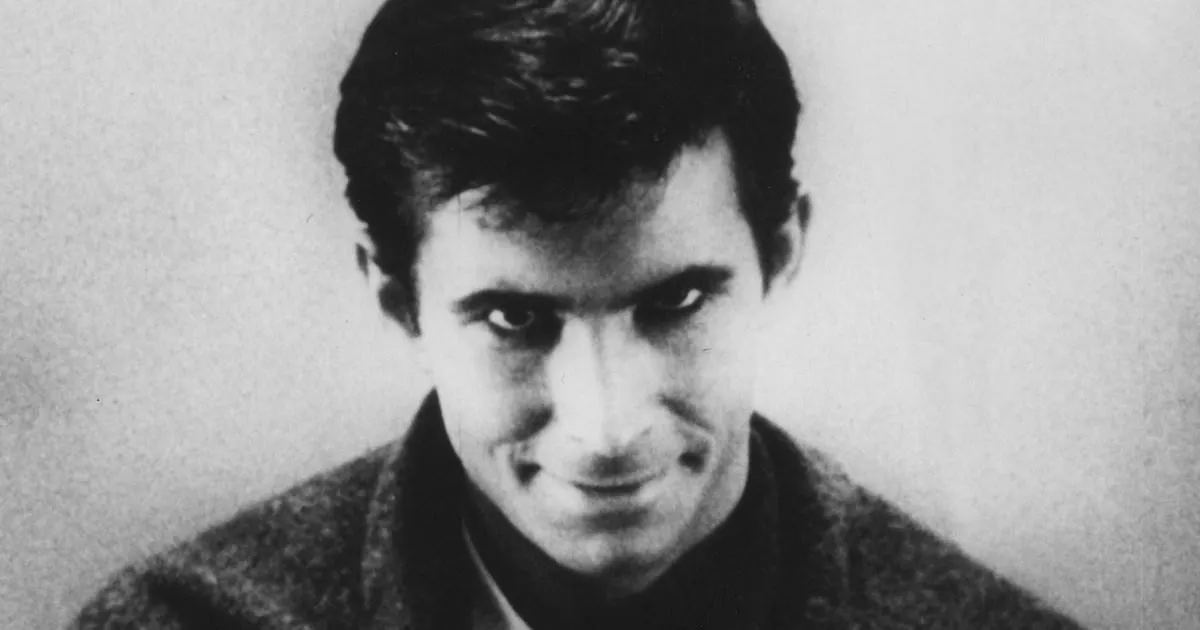
At the heart of the story is Marion Crane, a character played by Janet Leigh, whose journey takes a harrowing turn after she steals a substantial sum of money. The film follows her as she checks into a secluded motel, where she meets Norman Bates, portrayed by Anthony Perkins. This enigmatic figure, who grapples with an unusual bond to his mother, becomes central to the film’s eerie atmosphere and psychological complexity.
A Polarizing Debut
Upon its release, Psycho divided audiences. Many were unsettled by its graphic nudity, intense violence, and the audacious plot twist that redefined the possibilities of a horror film. Some critics even dismissed the film as a bold experiment in terror, with one calling it “a dreadful thing to do.”
Yet, over time, its reputation has evolved. What was once seen as shocking is now regarded as a cornerstone of modern horror. The film’s ability to unsettle viewers while maintaining narrative coherence has solidified its place as a landmark work. Today, it consistently appears on lists of the greatest films ever made, often ranking alongside classics like The Exorcist and The Texas Chain Saw Massacre.
Enduring Critical Acclaim
Despite its initial reception, Psycho has earned widespread praise from critics. A 2010 retrospective by The Guardian named it “the best horror film of all time,” a sentiment echoed by many in the film community. Its 97% ‘Fresh’ score on Rotten Tomatoes reflects its lasting impact and the admiration it has garnered from film historians and audiences alike.
Notably, Hitchcock’s black-and-white direction has been lauded for its meticulous craft. As CineXpress noted, “Hitchcock’s black & white classic is a masterclass in directing, tone, and acting performances.” The film’s sharp contrasts and visual symbolism have become staples of horror cinema, inspiring generations of filmmakers.
“The content as such was, I felt, rather amusing and it was a big joke. I was horrified to find that some people took it seriously,” said Hitchcock on the TV show Monitor, four years after the film’s release.
Even critics who initially disliked the film have since come around. The Los Angeles Times described it as “one of [Hitchcock’s] most brilliantly directed shockers and also his most disagreeable,” highlighting its ability to provoke strong reactions. This duality—both captivating and unsettling—has only reinforced its status as a timeless classic.
Legacy and Influence
From its debut, Psycho influenced countless horror films. Directors such as John Carpenter and Brian DePalma drew inspiration from its structure and themes, with Carpenter’s Halloween and DePalma’s Dressed to Kill directly reflecting its legacy. The film also spawned three sequels, though they were less successful than the original, with Perkins reenacting his iconic role in each.
Its cultural resonance extended beyond the silver screen. A TV prequel, Bates Motel, starring Freddie Highmore as Norman and Vera Farmiga as his mother, delved into the origins of the character. This series not only expanded the story but also brought fresh perspectives to Hitchcock’s creation, further embedding it in popular consciousness.
A New Perspective: Ed Gein and the Prequel
Recent years have seen renewed interest in the film’s backstory. The 2024 Netflix series Monster: The Ed Gein Story explores how Hitchcock’s Psycho was inspired by the real-life crimes of serial killer Ed Gein. While Robert Bloch, the novel’s author, claimed he had already written most of the book before Gein’s exploits were widely known, the similarities between the two remain striking.
Interestingly, Bloch lived just 35 miles from Gein’s home in Wisconsin. He later admitted that the killer’s story had subtly shaped his fictional character, despite his insistence that he had created Norman Bates independently. As Bloch told Galaxy Press, “I’d discovered how closely the imaginary character I’d created resembled the real Ed Gein both in overt act and apparent motivation.”
Controversy and Modern Relevance
The Netflix series also sparked debate. One episode drew a crude comparison between Gein’s crimes and Perkins’ struggle as a closeted gay man, a connection that critics found provocative. Perkins’ son, Osgood, who directs films like Longlegs, reacted with contempt, telling TMZ that he hadn’t seen the show but “wouldn’t watch it with a 10-foot pole.”
Meanwhile, the film’s enduring popularity is evident in its streaming presence. BBC viewers have long associated it with horror, and its free availability ensures that new audiences can discover its power. The film’s themes—such as identity, obsession, and psychological unraveling—continue to resonate, proving its relevance across decades.
As Variety noted in its 2024 listicle, Psycho remains a key entry in the pantheon of horror films, though it placed third behind The Exorcist and The Texas Chain Saw Massacre. This ranking underscores its place as a foundational text, even as newer films challenge its dominance.
From its debut to its modern-day revival, Psycho has maintained its grip on the horror genre. Whether through its original run, sequels, remakes, or prequels, the film continues to captivate and provoke, a testament to Hitchcock’s visionary storytelling and the timelessness of its themes.