
Butterfly numbers are dropping but here are five species you may see more of
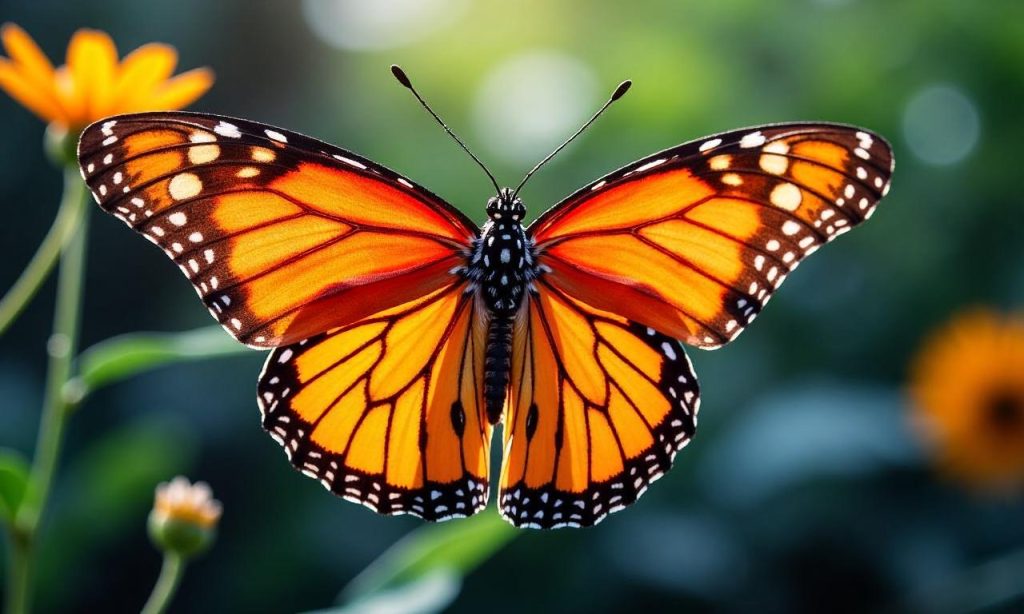
Butterfly Numbers Are Dropping, Yet Five Species May Thrive More
Over the past five decades, shifts in weather patterns—largely influenced by climate change—have enabled certain British butterfly species to grow in abundance, reports the UK Butterfly Monitoring Scheme (UKBMS). However, the broader trend indicates significant challenges for many iconic butterflies. The UKBMS, which relies on data from 782,000 volunteers since 1976, has compiled over 44 million observations, establishing itself as a major citizen science initiative.
Adaptable Species Benefit From Warming Climates
Among the 59 native butterflies tracked, 33 are in decline, 25 have seen population increases, and one mountain species remains undetermined due to limited data. Species like the Red admiral have adapted to milder winters, now overwintering in the UK. The Comma butterfly, known for its frayed wing edges, has rebounded since the survey began. Orange tip numbers have risen by more than 40%, while the Black hairstreak, once rare, is gradually recovering through targeted conservation efforts.
The Large Blue, which vanished from the UK in 1979, has also shown improvement following habitat restoration. These trends reflect a growing contrast between species that thrive in varied environments and those dependent on specialized ecosystems. Flexible butterflies, such as those found in farmland or gardens, are better equipped to handle climate shifts and habitat changes. Warmer temperatures, according to experts, extend their breeding seasons and expand their geographic reach.
“The data collected by the scheme over the last five decades is extraordinary,” says Prof Jane Hill, a butterfly specialist at the University of York. “It sets a benchmark for wildlife monitoring globally.”
Butterflies tied to niche habitats, like woodland clearings or chalk grasslands, are struggling as these areas face increasing pressure. Their survival is hindered by the lack of suitable new spaces to colonize. Some losses are severe: the white-letter hairstreak, with caterpillars that emit a glow under UV light, has declined by 80% since 1976. The pearl-bordered fritillary, whose caterpillars depend solely on violets, has dropped by 70%.
Conservation Challenges and Habitat Needs
Despite these losses, the scale of the dataset underscores the public’s dedication. Volunteers have logged over 932,000 miles across 7,600 sites, providing critical insights. “Without this evidence timeline, we’d be flying blind,” notes Steve Wilkinson, director of the Joint Nature Conservation Committee. “The continuity of data allows us to measure progress and guide conservation strategies.”
“We’ve lost diversity in butterfly populations just as we’ve lost traditional skills and family-run shops,” says Prof Richard Fox, head of science at Butterfly Conservation. “This reflects the impact of simplified landscapes on ecological variety.”
Protecting habitats remains central to conservation efforts, especially as land use intensifies. Some butterflies, like the Duke of Burgundy, rely entirely on primroses and cowslips, while the purple emperor depends on specific willow trees. To address this, reserves like Magdalen Hill Downs aim to preserve diverse habitats, ensuring food sources and breeding grounds for a range of species.
