
US Treasury secretary says short-term pain worth long-term security
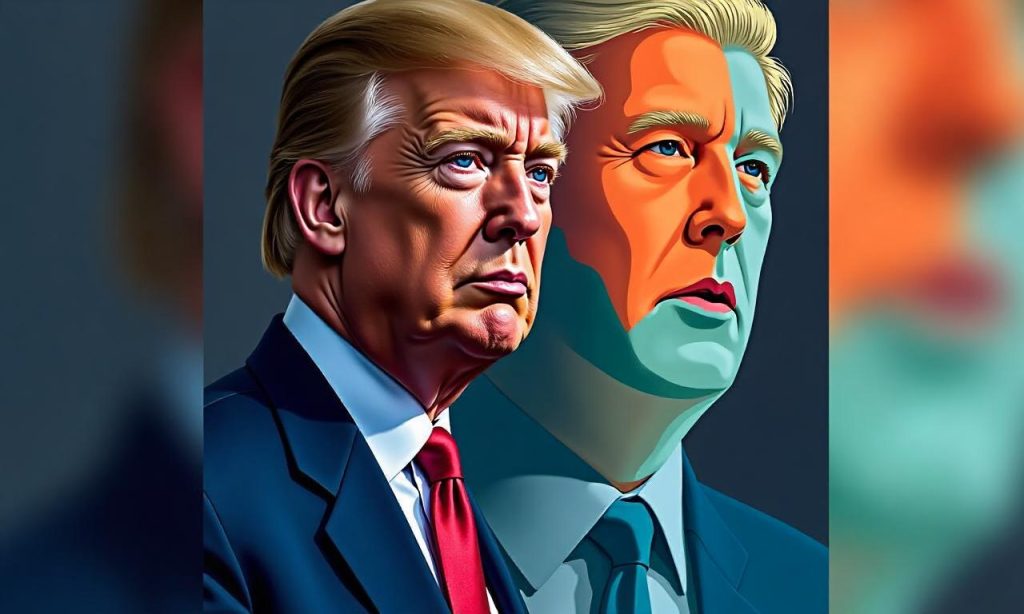
US Treasury Secretary Advocates for Economic Sacrifice to Ensure Long-Term Security
US Treasury Secretary Scott Bessent asserted that a “modest economic challenge” was necessary to counter the danger of Iranian nuclear strikes targeting major Western cities. As the International Monetary Fund (IMF) highlighted the potential for the US-Israel conflict with Iran to trigger a global economic downturn, Bessent emphasized the significance of long-term security over immediate financial forecasts.
“I ponder what effect a nuclear weapon hitting London would have on global GDP,” he remarked. “I prioritize long-term security, even if it means accepting some short-term economic strain.”
Iran maintains its nuclear program is entirely peaceful. The UK government stated there was “no conclusive evidence” Iran aimed to attack European cities with missiles. Bessent argued that the US and Israeli strikes had significantly reduced the “potential risk” of Iranian nuclear assaults on Western nations.
He explained that the knowledge of Iran’s missile capabilities, confirmed after attacks on Diego Garcia, made the threat more tangible. “Now we are aware Iran possesses mid-range intercontinental ballistic missiles capable of reaching London, and their intent to develop a nuclear program is clear,” he noted.
IMF Warns of Recession Amid Middle East Tensions
According to the IMF’s World Economic Outlook, in the worst-case scenario—where oil, gas, and food prices surge and remain elevated through 2026—global economic growth could dip below 2%. This would mark a “near miss” for a global recession, a rare event occurring only four times since 1980, including during the pandemic.
Energy costs have surged since the conflict began over six weeks ago, following the closure of the key Strait of Hormuz route and stalled peace talks between the US and Iran. The IMF noted that prolonged warfare could lead to inflation climbing as high as 6%, prompting central banks to raise interest rates to curb price increases.
“A sustained conflict would cause soaring inflation, higher unemployment, and food shortages in certain regions,” said IMF chief economist Pierre-Olivier Gourinchas. “Even if the war ended today, the disruption to oil supplies would match the impact of the 1970s oil crisis.”
Gourinchas added that while the world remains vulnerable to energy shocks, reduced reliance on oil and fossil fuels has softened the blow for consumers. Currently, oil prices hover near $95 per barrel, down from their peak of $120 during the Iran conflict.
Country-Specific Economic Forecasts
The IMF predicts the UK will face the most severe economic strain from the energy crisis, revising its growth forecast for 2026 to 0.8% from 1.3%. However, it anticipates a recovery with 1.3% expansion in the following year.
Meanwhile, Gulf oil-producing countries may experience a sharp economic slowdown or contraction this year. Iran’s economy is forecast to shrink by 6.1% in 2026, though a rebound to 3.2% in 2027 is possible if the war concludes soon.
On Sunday, US President Donald Trump announced a blockade of Iranian ports as part of broader measures to address the crisis. The strategy underscores the urgency of mitigating the economic and security fallout from the ongoing conflict.
