

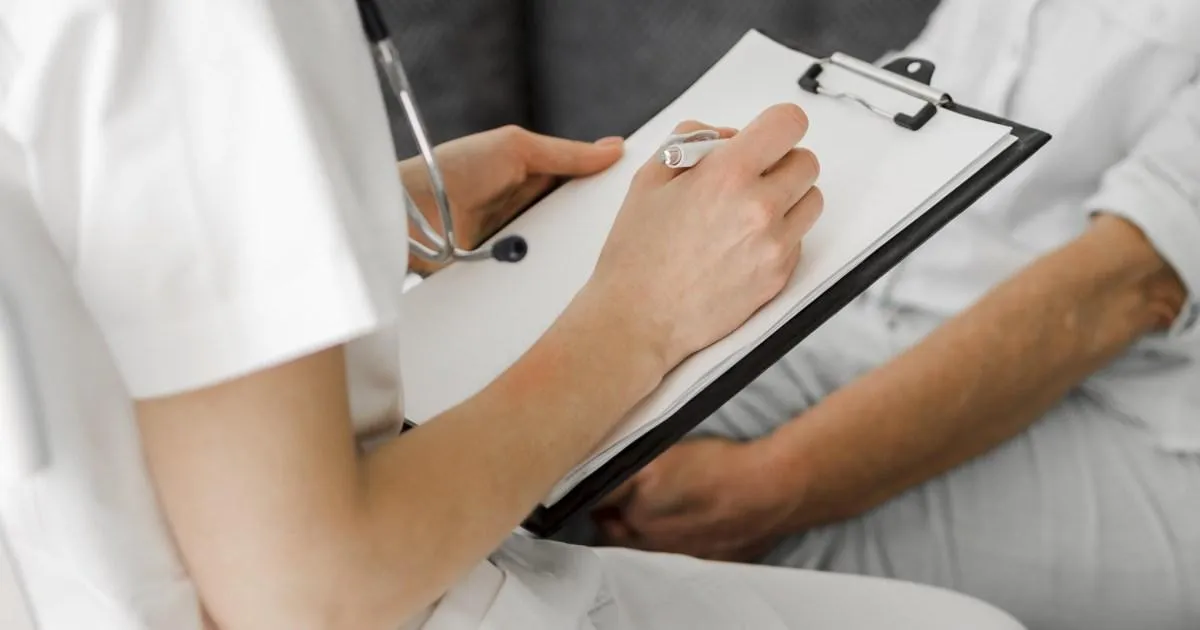
Germany Introduces Mandatory Doctor’s Note for First Day of Sick Leave
Germany bans staff members from calling – In a significant shift to workplace policies, Germany has unveiled stringent new measures requiring employees to obtain a doctor’s note for any absence on their first day of sickness. The proposal, spearheaded by Chancellor Friedrich Merz, aims to address concerns over absenteeism and its impact on the nation’s economic competitiveness. Under the current system, workers only needed a medical certificate starting from their third day of unexplained leave, but this rule is set to change, with the first day now under stricter scrutiny.
Economic Motivations Behind the Policy Shift
Merz’s initiative is part of a broader effort to stabilize Germany’s economy, which has faced pressures from rising healthcare costs and fluctuating labor productivity. He argues that the prolonged use of sick days without clear justification has created a financial burden on businesses and hindered workforce efficiency. “The current rate of absenteeism is unsustainable,” Merz stated. “We are developing tools to ensure both employees and employers can work together to reduce unnecessary time off.”
While the policy is intended to cut down on frivolous sick days, Merz acknowledges that the transition may be challenging for workers. “This is a difficult decision, but we cannot ignore the long-term consequences of unchecked sick leave,” he added. “By implementing these rules, we hope to create a more accountable and efficient system for all stakeholders.”
Impact on Workers and Healthcare Providers
The new regulation mandates that employees provide a medical certificate from the outset of their absence, which has sparked debate among labor unions and healthcare professionals. On average, German workers take about three weeks of sick leave annually, equivalent to 15 working days. This figure has prompted Merz’s administration to take action, citing the need to streamline operations and allocate resources more effectively.
Frank Werneke, leader of the Verdi services sector union, criticized the move as fostering a “climate of distrust” between employees and employers. “Requiring a doctor’s note for every single day of absence could lead to workers feeling penalized for taking necessary time off,” Werneke warned. He emphasized that the policy might pressure employees to underreport genuine illnesses, potentially worsening health outcomes in the long run.
Meanwhile, the German Association of Family Physicians expressed concerns about the increased workload on their clinics. “If this rule is implemented, our practices will see a surge in patients who could have managed their symptoms at home,” one representative noted. “This could lead to overcrowding and delays for those who genuinely need in-person care.”
Supporting the Policy: Aims and Anticipated Outcomes
Merz’s team claims the measure will not only reduce absenteeism but also encourage a culture of responsibility in the workplace. They argue that by tying sick leave to medical documentation, employers will have greater confidence in the validity of each absence, minimizing disruptions to operations. “This change is necessary to maintain Germany’s position as a competitive economic power,” Merz said. “Every day of unverified leave costs businesses time and money, which we must address.”
However, critics warn that the policy could disproportionately affect low-income workers, who may struggle to access medical care promptly. “For some, the cost of a doctor’s visit or the time required to obtain a note could deter them from reporting illnesses,” Werneke pointed out. He called for a phased implementation to allow for adjustments and support systems for vulnerable employees.
Public Reaction and Broader Context
The announcement has divided public opinion. While some workers support the policy for its clarity and potential to reduce abuse of sick leave, others fear it could lead to increased work-related stress and health issues. “People will be forced to choose between their health and their job,” one labor activist said. “This could result in more burnout and less willingness to take time off when needed.”
Experts also highlight the importance of balancing accountability with flexibility. “Sick leave is essential for recovery, but it should also be used responsibly,” said Dr. Anna Reinhardt, a labor economist. “The key is to ensure the policy does not create a barrier for those who genuinely require time off but lack immediate access to medical documentation.”
Merz’s proposal aligns with a trend seen in other European countries, where governments are revising sick leave policies to address workforce shortages and economic challenges. For instance, France recently introduced similar measures, requiring employees to provide proof of illness for short absences. “Germany is following a path that other nations have already taken,” Reinhardt observed. “The question is whether it will be effective in reducing absenteeism without compromising worker well-being.”
News Updates and Related Stories
As the debate over the new rule intensifies, other developments in Germany continue to shape public discourse. Recently, a gunman opened fire at a mother’s shelter in a dispute over a baby, leaving six people dead. The incident has reignited discussions about workplace safety and stress, with some suggesting that stringent sick leave policies could contribute to such high-pressure situations.
Separately, a landmark train journey in Europe has gained attention. The longest direct route in the continent, connecting Berlin to Barcelona, has launched with ticket prices starting at £9. This development underscores Germany’s efforts to bolster its transportation infrastructure and attract tourism, which Merz’s team may view as complementary to their economic reforms.
Meanwhile, a heatwave has caused a spike in excess deaths across Europe, with over 1,300 fatalities reported as temperatures soared beyond 40°C. The situation has raised questions about the effectiveness of current healthcare systems in managing extreme weather-related illnesses, adding another layer of complexity to Merz’s push for stricter sick leave regulations.
These developments highlight the multifaceted challenges facing Germany as it seeks to balance economic growth with social welfare. While the new sick leave rules may help reduce absenteeism, their success will depend on how well they are implemented and the support provided to workers. As the policy takes effect, its impact on both the economy and the workforce will be closely monitored, with the potential to reshape workplace dynamics for years to come.
This site is protected by reCAPTCHA and the Google Privacy Policy and Terms of Service apply. Your information will be used in line with our Privacy Policy.