
With a ceasefire in Lebanon, Trump has forced Netanyahu’s hand – again
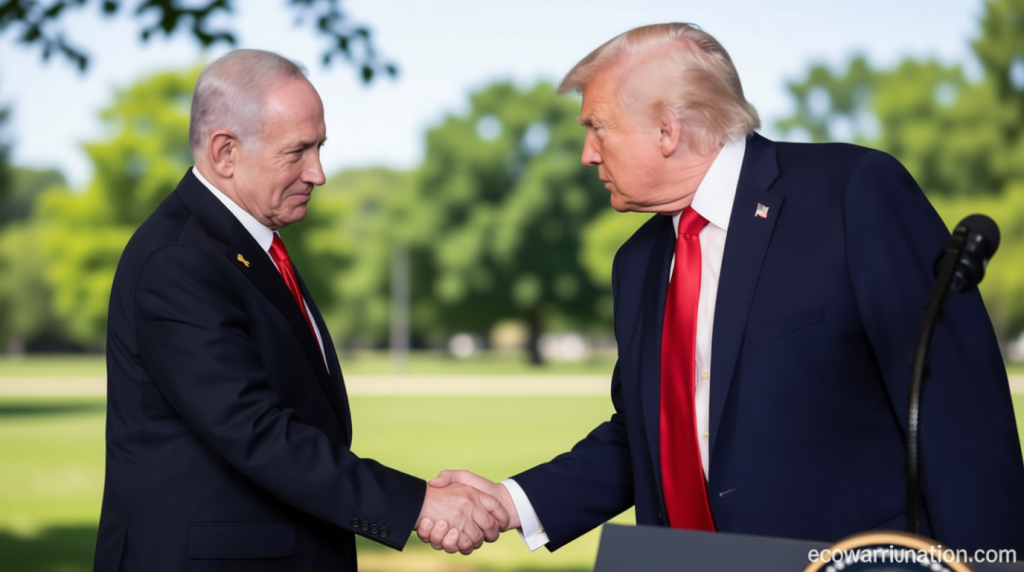
Trump’s Ceasefire Move in Lebanon Forces Netanyahu’s Compliance Once More
US President Donald Trump’s anticipated call did not materialize, yet he made it clear what was to follow. On Thursday morning, Trump revealed that Israeli Prime Minister Benjamin Netanyahu would reach out to Lebanese President Joseph Aoun. This would have marked the first direct dialogue in decades between the leaders of two neighboring nations with no formal diplomatic ties. Trump framed the interaction as a means to “provide some respite.” However, amid the ongoing conflict between Israel and Hezbollah, Aoun rejected the proposal. Trump did not wait for diplomacy; just hours later, he declared a ceasefire set to begin at midnight. Netanyahu had few options but to comply.
A Pattern of Presidential Pressure
Netanyahu often emphasizes the close partnership between Israel and the US, particularly with Trump. Yet, in pivotal moments, the president has dictated Israel’s course of action. Less than a week prior, Netanyahu had insisted the war against Hezbollah was not over, stating, “We are still fighting them; it is not over yet.” On Wednesday, IDF Chief of Staff Lt. Gen. Eyal Zamir confirmed new military plans for Lebanon and Iran. Despite these efforts, Trump’s approval became the deciding factor for Netanyahu’s next steps.
Residents in southern Lebanon’s Nabatieh began returning home as the ceasefire took effect. The temporary agreement, intended to last ten days, appears to be a stepping stone toward a broader arrangement. Trump showcased his achievement on social media, declaring, “It has been my Honor to solve 9 Wars across the World, and this will be my 10th.” In a security-cabinet session the same evening, Israeli leaders debated the ceasefire, though no formal vote was taken. The decision to pause hostilities seemed more like a concession than a strategic choice.
Netanyahu’s Strategic Constraints
Netanyahu has long framed military expansions as security gains, claiming they ensure long-term stability. However, the adversaries he sought to weaken—Hamas in Gaza, Hezbollah in Lebanon, and Iran’s regime—remain resilient. In Gaza, Hamas retains control over half the territory. Hezbollah continues its threat, capable of launching rockets into Israel. Even Iran’s leadership shifted, with Supreme Leader Mojtaba Khamenei now leading the nation. Israel’s territorial gains, though significant, have not secured decisive victories.
“Given its demonstrated ability to impose costs on neighbors and the global economy, Tehran is unlikely to yield under pressure alone, regardless of threats from Washington,” said Danny Citrinowicz, an Iran expert at Israel’s Institute for National Security Studies.
On Friday, Netanyahu acknowledged the ceasefire as a result of Trump’s influence, calling him “a friend.” Yet he warned of readiness to restart the conflict, stating, “One hand of ours holds a weapon; our other hand is open.” This dynamic underscores how Trump’s rhetoric and actions have shaped Israel’s military strategy, often sidelining its own ambitions for permanent dominance. For now, the ceasefire stands, but the war may resume at any moment.
