
James Bond has been banned from having a dog for over 70 years
The Iconic Secret Agent’s Forbidden Furry Companion
James Bond has been banned – James Bond, the legendary spy first introduced in Ian Fleming’s *Casino Royale* in 1953, has long been associated with elegance, precision, and danger. Yet, for more than seven decades, one aspect of his persona has remained consistently absent: a dog. Despite his reputation as a master of covert operations, Bond’s adventures have never included a canine sidekick, a rule that has puzzled fans and writers alike.
From Sean Connery to the Modern Era
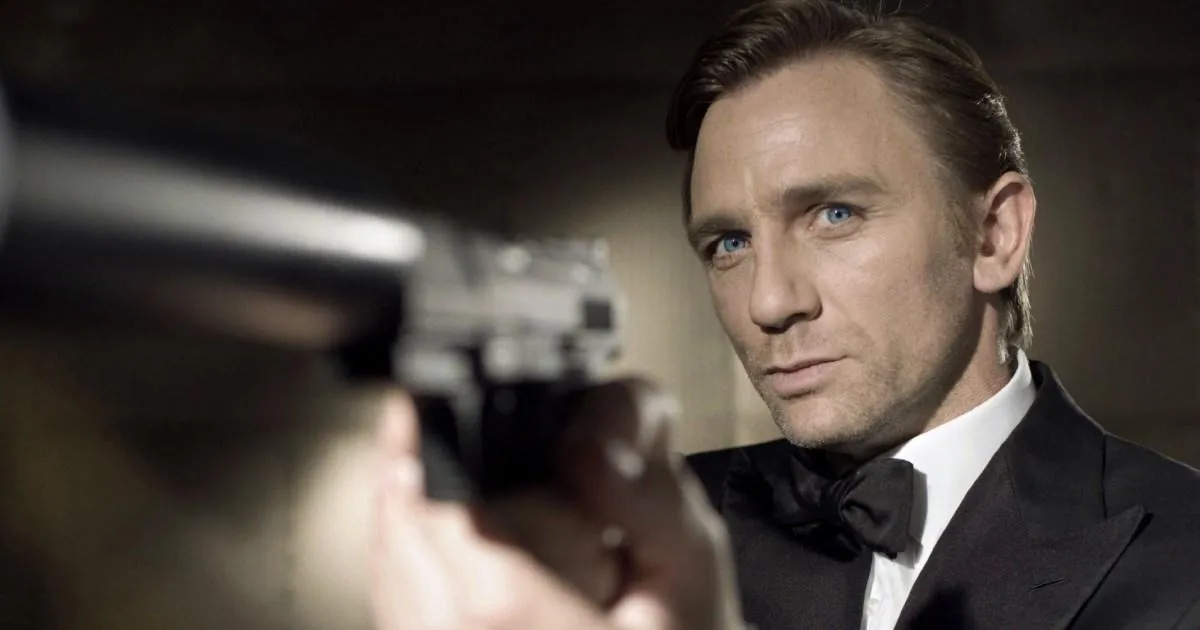
Less than a decade after Fleming’s creation debuted, Sean Connery brought Bond to life on the big screen with *Dr. No* (1962). The film solidified the character’s status as a cultural icon, with elements like his tuxedo, the Aston Martin, and the martini becoming timeless symbols. Over the years, Bond has evolved—from a gruff, no-nonsense agent to a charming ladies’ man, a tech-savvy rogue, and even a bumbling figure in the 1976 *Casino Royale*.
The character’s versatility has been a key factor in his enduring popularity. However, one detail has remained unchanged: his lack of a dog. This absence has sparked curiosity, especially among writers who have tried to expand Bond’s world. Charlie Higson, a novelist and comedian known for his *Young Bond* series, encountered this restriction firsthand.
Charlie Higson’s Encounter with Fleming’s Legacy
When Higson first wrote a Bond story in the early 2000s, he decided to give the young 007 a dog. “He’s on an adventure, he should have a dog,” he reasoned. But the Fleming estate, which retains creative control over the character’s literary portrayals, swiftly intervened. According to Higson, the estate’s representatives rejected the idea, stating that Ian Fleming himself had disliked dogs.
“And they said, ‘No, Ian hated dogs,’” Higson recounted during a discussion on the *My Mate Bought a Toaster* podcast with Tom Price. This seemingly minor detail became a significant hurdle, forcing Higson to adjust his narrative. The result? A series where Bond’s adventures are filled with gadgets and glamour, but no furry companions.
Higson’s *Young Bond* books, beginning with *SilverFin* in 2005, have introduced a new generation to the character. Yet, even in these stories, Bond’s relationship with animals is limited. In one early tale, the young agent faces off against an American bully at Eton College, but the dog remains an absent element. This tradition has persisted, with Bond’s estate ensuring that the spy’s image remains unaltered.
A Furry Exception in the Modern Age
While the Fleming estate has upheld the no-dogs rule, not all Bond portrayals have followed suit. Daniel Craig, the actor who brought Bond into the 21st century, famously broke the tradition during his appearance on *Saturday Night Live* in 2022. A year prior, Craig had wrapped his final Bond film, *No Time to Die* (2021), and handed in his license to kill. Yet, on the SNL stage, he embraced a different kind of challenge—dancing with a fluffy dog.
“Hi, my name is Daniel Craig. I’m an incredibly serious actor,” Craig began, poking fun at his own portrayal of the suave spy. Then, to the surprise of his audience, he reached for a dog, spinning it in a playful manner that contrasted sharply with the stoicism of his Bond character.
Craig’s SNL segment highlighted the gap between the character’s iconic image and real-world whimsy. While the Fleming estate has maintained the no-dogs rule, the shift in creative control to Amazon MGM has opened new possibilities. With the next Bond film in the works, fans are wondering whether the franchise will finally embrace a more dog-friendly era.
The Impact of the No-Dogs Rule
The exclusion of dogs from Bond’s world has shaped the character’s narrative in subtle ways. For decades, his adventures have been framed as solitary missions, with gadgets and vehicles serving as his primary allies. This has allowed the spy to remain enigmatic, a lone wolf in a world of chaos. However, some argue that a dog could add depth to his character, offering a softer side or a loyal companion during high-stakes scenarios.
Despite this, the rule has endured. Even in the modern age, where storytelling often leans toward relatability, Bond remains dog-free. This consistency has become a hallmark of the character, reinforcing his image as a figure of sophistication and detachment. Yet, Higson’s experience underscores the tension between tradition and innovation. “They wanted to preserve Ian Fleming’s vision,” he said, explaining how the estate’s influence has kept the dog ban in place.
A New Chapter for Bond
With the release of *On His Majesty’s Secret Service* in 2023, Higson’s latest book marks a departure from the past. Set in the present day, the story follows Bond as he uncovers a plot to disrupt the coronation of King Charles III. The urgency of the mission is palpable, with the spy racing against time to protect the monarchy. However, the book still adheres to the no-dogs rule, suggesting that the tradition is far from abandoned.
As the franchise moves forward, questions linger about its future. Will the next Bond break the pattern, or will the dog ban continue? Higson’s reflection on the process offers insight: “Getting it written in such a short space of time was as tense and heart-pounding as any Bond mission,” he noted, describing the pressure of meeting deadlines for the coronation-themed story. The experience, while challenging, mirrored the intensity of the character’s own adventures.
Fans Anticipate the Next Chapter
Amid these discussions, fans remain eagerly awaiting the next Bond film. The transition from Eon Productions to Amazon MGM has introduced fresh energy to the franchise, with the studio now in charge of casting and direction. This shift raises the possibility of a new interpretation of the character—one that might embrace the dog as a symbol of loyalty or camaraderie.
Still, the legacy of Fleming’s vision lingers. The no-dogs rule, once a detail in a 1953 novel, has become a defining trait of the Bond brand. Whether this will change depends on the balance between honoring the past and reimagining the future. For now, the spy continues to roam the globe, unaccompanied by four-legged allies, a testament to the enduring power of his mythos.
Additional Reading
While the dog ban remains a unique quirk of Bond’s history, the character’s influence extends beyond the silver screen. Fans may also want to explore the latest in entertainment, such as the top 10 best video games of 2026, which include titles like *007 First Light* and *Resident Evil Requiem*. Meanwhile, Coldplay’s recently unearthed James Bond theme song from 27 years ago has reignited debates about the music that defines the franchise.
For those interested in the behind-the-scenes stories, the recent filming of a Bond movie saw a former Bond girl suffer a serious injury on the set of *Wednesday*. These incidents, like the dog ban, remind us that even the most polished characters have moments of unpredictability.