
Japan opens door to global arms market with biggest export rule change in decades
Japan opens door to global arms market with biggest export rule change in decades
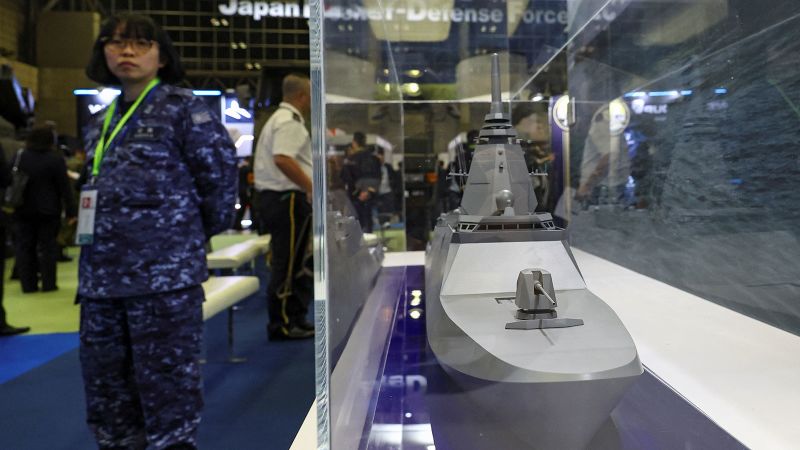
Japan’s government announced a major revision of defense export policies on Tuesday, eliminating long-standing limitations on arms sales abroad. This shift enables the country to export warships, missiles, and other military equipment to international buyers. The decision is intended to bolster Japan’s defense industry, reflecting a broader departure from its pacifist postwar security framework.
Global conflicts in Ukraine and the Middle East have placed pressure on U.S. weapons production, creating new opportunities for Japan to expand its defense exports. As Washington’s security commitments face scrutiny under President Donald Trump, allies in Europe and Asia are seeking to diversify their supply chains. Japanese officials have noted that nations such as Poland and the Philippines are evaluating procurement options to modernize their military capabilities.
“Countries from Poland to the Philippines are actively exploring opportunities to acquire Japanese defense systems,” stated diplomats and government sources.
One potential early transaction involves the sale of pre-owned warships to Manila, according to two unnamed experts. The new framework removes five export categories, including restrictions on rescue, transport, warning, surveillance, and minesweeping equipment. Instead, ministers will now evaluate each proposed sale based on its strategic value. However, three core principles—strict screening, third-country transfer controls, and a ban on sales to conflict zones—remain in place.
Japan is advancing its military readiness through increased purchases of advanced systems, including long-range missiles and stealth jets. This effort is driven by regional tensions with China, particularly around disputed islands near Taiwan. Meanwhile, the nation is collaborating with Britain and Italy on a next-generation fighter jet, aiming to split development costs and access cutting-edge technology for deployment by the mid-2030s.
Defense spending has grown steadily in recent years, reaching 2% of GDP. Prime Minister Sanae Takaichi’s administration is poised to announce further increases as part of a new security strategy. The overhaul marks a significant step in Japan’s evolving approach to military preparedness, aligning it more closely with global defense trends amid rising competition in the Pacific region.
