
3 takeaways from a fiery hearing to confirm Trump’s Fed chief pick
3 takeaways from a fiery hearing to confirm Trump’s Fed chief pick
A heated exchange over financial disclosures and political ties
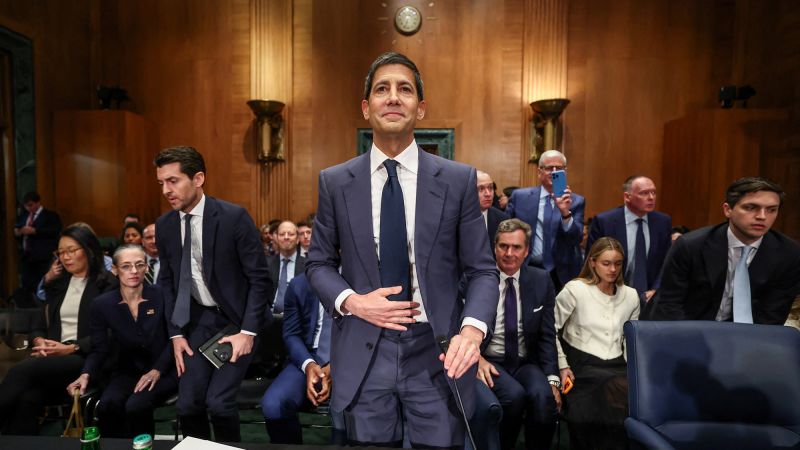
The confirmation process for Federal Reserve chair nominees typically involves measured debates. This time, however, the Senate Banking Committee’s session turned contentious. Democrats and a prominent Republican member of the committee consistently targeted President Donald Trump’s nominee, Kevin Warsh, questioning his political neutrality and financial transparency. The discussion centered on Warsh’s failure to detail over $100 million in investments, with some senators suggesting his ties to Trump could compromise central bank independence.
“Uniquely ill-suited” for the role, Warren claimed, accusing Warsh of serving as a “sock puppet” for Trump’s agenda.
Warsh emphasized his commitment to economic principles, vowing to align with government ethics rules and convert his assets into more straightforward forms by the confirmation deadline. Despite these assurances, Democrats pressed further, probing whether he held undisclosed conflicts of interest. The senator also highlighted Warsh’s shift from advocating high interest rates to supporting lower rates, a move critics argued could be influenced by Trump’s preferences.
Political hurdles overshadowing the economic debate
Although the Republican-majority committee generally supports Trump’s appointees, Warsh’s confirmation faces uncertainty. A pending criminal probe into current Fed Chair Jerome Powell’s management of the central bank’s costly renovation is complicating the vote. Republican Sen. Thom Tillis, who backs Warsh’s qualifications, stated he would withhold support until the investigation concludes, citing concerns about political interference in the hearing.
“The investigation clouded the confirmation hearing with politics,” Tillis remarked, adding he would wait for clarity before endorsing any nominee.
Warsh also faced scrutiny over his stance on Fed Governor Lisa Cook, whom Trump has attempted to remove due to alleged mortgage fraud. While Powell staunchly defended Cook, Warsh remained noncommittal, refusing to comment on whether Trump’s actions were justified.
Critiques of the Fed’s approach to monetary policy
Warsh’s testimony included sharp criticism of the Federal Reserve’s current strategies. He argued the institution has struggled to address the public’s concerns about inflation and living costs, calling for a “new inflation framework.” Though he didn’t detail this plan, he advocated for a shift in policy conduct, comparing the Fed’s approach to Trump’s rhetoric on Iran’s leadership.
He also challenged the Fed’s frequent meetings, which occur every six weeks, and its reliance on two primary tools—interest rate adjustments and asset purchases. Warsh suggested these methods disproportionately benefit those with existing financial assets, favoring rate changes as a more equitable option. Yet, he left the specifics of alternative tools undefined, sparking further questions about his vision for reform.
