
Condom maker may raise prices because of Iran war
Condom Maker May Raise Prices Because of Iran War
Supply Chain Strains Prompt Potential Cost Increases
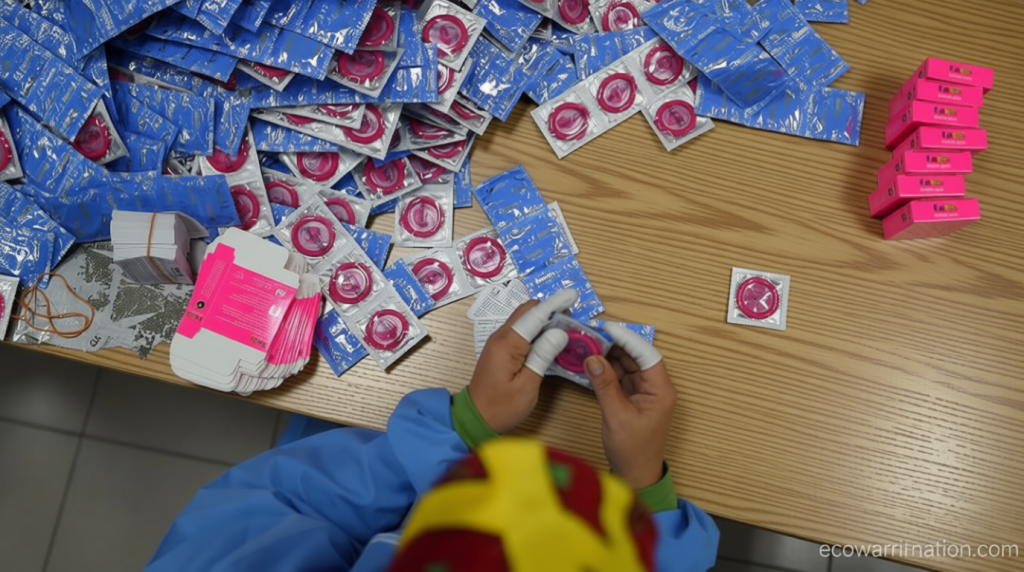
The ongoing Iran conflict has disrupted global supply chains, potentially leading to higher condom prices, as revealed in a recent conversation with the CEO of Karex, the world’s largest condom producer. Goh Miah Kiat, speaking to Reuters, indicated that the company might need to increase costs by 20% to 30%, depending on the duration of the supply chain issues.
“The situation is definitely very fragile, prices are expensive,” Goh stated. “We have no choice but to transfer the costs right now to the customers.”
Karex’s Production and Global Reach
Headquartered in Malaysia, Karex specializes in manufacturing male latex condoms, personal lubricants, gloves, medical catheters, and probe covers. The company’s annual output surpasses 5 billion condoms and ships to over 130 countries, as detailed on its website. Goh highlighted challenges such as increased manufacturing and packaging expenses, alongside shipping delays.
“We’re seeing a lot more condoms actually sitting on vessels that have not arrived at their destination but are highly required,” Goh noted.
Broader Economic Impacts Beyond Fuel Costs
While rising gas prices have dominated headlines, the conflict has also disrupted the production of feedstocks—petroleum derivatives essential for plastics and other materials. These include naphtha, used in packaging, and silicon oil and ammonia, critical for condom manufacturing. Angi Gidea, KPMG’s global lead for oil and gas, emphasized the growing scarcity of such resources.
“You hear a lot about crude oil and the impacts to diesel and gasoline – but feedstocks and petrochemicals are in short supply, too,” Gidea said.
Asia, which relies on Middle Eastern oil for fuel, now faces additional strain as feedstock shortages affect production. Countries like Malaysia, which depend on Middle Eastern naphtha for 41% of their needs, are compelled to raise prices when raw materials become inaccessible. Meanwhile, fuel rationing in nations such as Myanmar and Cambodia has led to school closures in Southeast Asia, including Vietnam, due to affordability concerns for students. Analysts warn these measures may hinder workers’ access to factories, delaying overseas product deliveries, including to the U.S.
CNN has contacted Karex to determine when price adjustments might occur. The company currently maintains enough stock to support operations for several months. Economists caution that sustained price hikes could reduce consumer spending and exacerbate production bottlenecks, particularly in sectors reliant on petroleum-based materials.
