

Doom Dev id Software Loses Half Its Staff and All Its Coders in Xbox Bloodbath
Doom dev id Software loses half – The fallout from recent Xbox layoffs has revealed deeper consequences than initially thought, with id Software, the iconic studio behind the Doom franchise, facing an unprecedented crisis. Reports indicate that approximately 50% of the studio’s workforce has been eliminated, leaving many of its core developers without jobs. This exodus of talent has sparked concern about the future of id’s legacy, as the team responsible for shaping the first-person shooter genre appears to be in disarray.
Microsoft’s Staff Reductions: A Larger Picture
While no entire studios were shuttered in the latest round of cuts, the scale of job losses has been staggering. Around 3,200 employees have been laid off, contributing to a total of over 9,000 departures in the past few years. This rapid attrition has raised eyebrows in the gaming industry, with many questioning how such a significant portion of the workforce can be lost so quickly. For id Software, the loss is particularly acute, as its team is now said to be in a state of collapse.
Loss of Institutional Knowledge: A Blow to Innovation
The severity of the situation extends beyond just numbers. Many of the affected employees are no longer part of the industry, taking with them invaluable expertise that could have been crucial for future projects. This loss of institutional knowledge is being described as a major setback for development at Xbox and the broader gaming sector. Without these experienced coders, the pipeline for new titles may face delays, and the unique technical innovations that id Software is known for could be jeopardized.
Scott Miller, co-founder of Apogee Software and 3D Realms, shared his dismay on X, stating that the majority of id Software’s team had been let go, including “most (if not all) coders.” His comments underscored the existential threat to the studio, suggesting that its creative and technical backbone is now significantly weakened. George Broussard, the other co-founder of Apogee, later echoed these concerns, confirming that 50% of id’s staff—around 95 employees—had been cut. He went further, calling the studio “effectively dead,” with tools, programming teams, and even the Quake Champions division now gone.
Game Developer Confirms the Dire Outlook
The claims have been validated by Game Developer, a respected industry publication, which reported that multiple sources confirmed the layoff numbers. According to the outlet, over 90 employees were dismissed, with the Q&A department particularly hard-hit. This corroborates the sense of urgency surrounding the cuts, as id Software’s ability to communicate with players and maintain its reputation as a pioneer in game design is now in question.
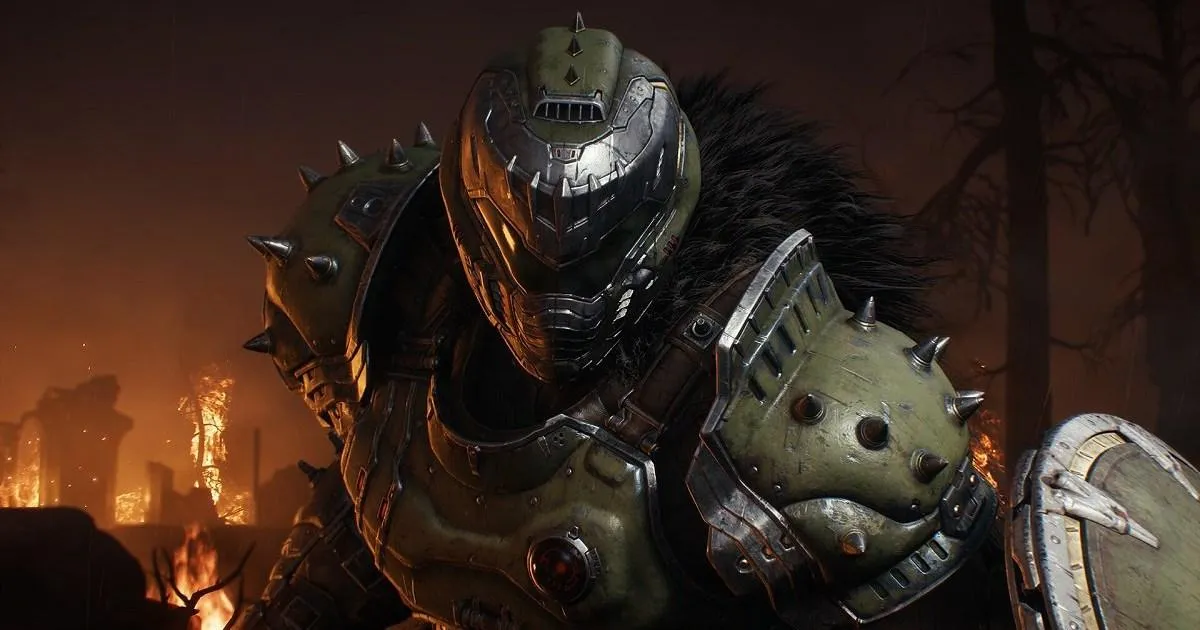
The layoffs have also raised concerns about the future of Doom: The Dark Ages, a project that recently received its first DLC expansion. With id’s workforce diminished, the studio may struggle to sustain further development, potentially forcing it to scale back its ambitions. This marks a turning point for the franchise, as the team that once pushed the boundaries of gaming technology now faces uncertainty about its capacity to innovate.
Id Software’s Legacy: A Pillar of Gaming History
Id Software’s contributions to gaming are undeniable. Founded in 1991, the studio has been instrumental in shaping modern game design, from the revolutionary Doom and Wolfenstein games to the continued evolution of its custom game engine. This engine has powered not only id’s own titles but also projects from Microsoft and Bethesda studios, including MachineGames’ Wolfenstein series and Indiana Jones and The Great Circle. The loss of coders and developers means that the studio’s technical foundation is now at risk, potentially forcing a shift to alternative engines like Unreal.
Scott Miller’s posts highlighted the emotional toll of the layoffs, emphasizing how the sudden exodus of talent has disrupted the studio’s operations. George Broussard’s assessment painted an even more bleak picture, suggesting that id Software’s survival is uncertain despite Microsoft’s continued interest in its franchises. The company’s commitment to more Doom, Wolfenstein, and Quake games has not wavered, but the lack of in-house expertise raises questions about the quality and innovation of future projects.
John Romero’s Response: A Call to Preserve the Past
Id Software’s co-founder, John Romero, has expressed his condolences to those impacted by the layoffs. In a Bluesky thread, he lamented the loss of the studio’s history, stating, “
id’s history is critically important to the history of games. I’ve preserved id’s complete early history from our start at Softdisk through to August 6, 1996, including materials and assets that, as far as I know, id itself no longer has.
” Romero hopes that someone will take on the responsibility of safeguarding the studio’s ongoing legacy, including its code, assets, and the stories of its creators.
Romero’s own journey has been shaped by Microsoft’s support. His upcoming project, which was meant to be funded by the company, has been canceled after Microsoft pulled out last year. This has not only led to the collapse of his current studio, Romero Games, but also forced a restructuring of its operations. While the studio claims it is still open, the uncertainty surrounding its future reflects the broader instability within the industry.
Community and Industry Impact
The news of id Software’s struggles has resonated deeply with gaming communities, as fans mourn the potential end of a studio that has defined entire genres. The loss of its coders and developers is seen as a form of “vandalism” by some, given the studio’s role in pioneering technologies that remain foundational to modern gaming. The early Doom games, for instance, introduced groundbreaking mechanics that are still studied and emulated today.
As the gaming industry grapples with the aftermath of these cuts, the question of how to preserve id Software’s legacy becomes increasingly urgent. Romero’s efforts to archive the studio’s history offer a glimpse into the importance of documentation, but the challenge remains to ensure that the creative and technical spirit of id lives on. For now, the studio’s future seems uncertain, with its once-robust team reduced to a fraction of its former size.
For readers of GameCentral, the crisis at id Software serves as a reminder of the fragility of the gaming industry. The newsletter, which delivers weekly insights and updates, aims to keep its audience informed about such developments. By staying connected, fans can track the evolving story of id and its impact on the future of gaming. As Microsoft and Xbox continue to push for more titles, the question remains: will the essence of id Software’s innovation survive the bloodbath of recent layoffs?
Call to Action: Stay Informed with GameCentral
To ensure you don’t miss the latest news on id Software and other gaming developments, sign up for the GameCentral newsletter. This weekly digest features in-depth analysis, reviews, and exclusive interviews, all delivered to your inbox every Saturday morning. As a loyal reader, you’ll gain unique perspectives on the shifting landscape of game development, including the challenges faced by studios like id Software.
Additionally, GameCentral encourages readers to stay engaged with the industry by following their updates. By subscribing, you’ll be the first to see stories from Metro.co.uk in Google Search. The team is committed to providing timely and relevant content, helping fans navigate the complexities of gaming’s evolving ecosystem.
With id Software at a crossroads, the gaming community is watching closely. The studio’s history, once a beacon of innovation, now hangs in the balance as its team faces a dramatic reduction. The loss of coders and developers is more than just a staffing issue—it’s a threat to the legacy of a company that helped redefine interactive entertainment. As the industry moves forward, the fate of id Software may serve as a cautionary tale about the importance of nurturing talent and preserving creative history.