
The Metro Daily Cartoon: Guy Venables’ June 9, 2026 Edition
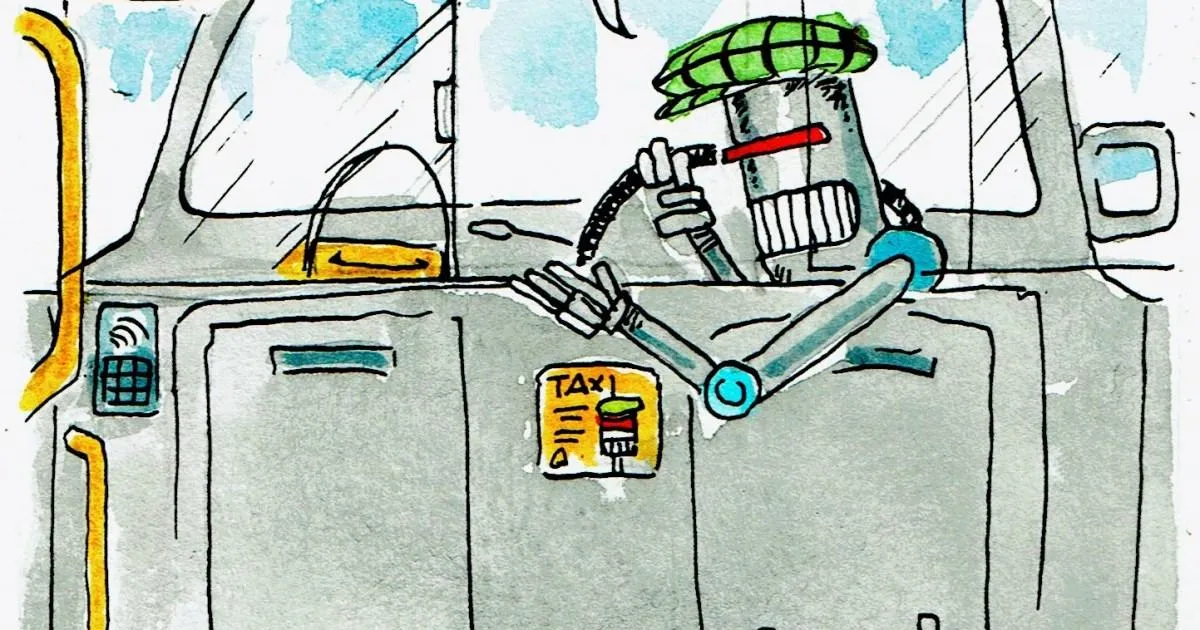
The Metro daily cartoon by Guy Venables – On June 9, 2026, the Metro’s daily cartoon by Guy Venables spotlighted two incidents involving Waymo’s autonomous vehicles that stirred public debate in London. The latest issue humorously captured the growing frustration of residents grappling with the tech giant’s robotaxi operations. One storyline focused on a Waymo driverless car that consistently wakes Londoners at 4 a.m., becoming stranded in dead-end streets and emitting persistent beeping sounds. Another panel depicted a Waymo robotaxi passing through a police cordon established after a recent stabbing, raising questions about the vehicle’s role in emergency response and urban navigation.
Waymo’s Autonomous Vehicle: A Nighttime Nuisance
Waymo’s latest challenge came to light when a driverless car repeatedly got stuck in narrow, dead-end streets, disrupting the city’s early-morning tranquility. While the vehicles are designed to operate efficiently, their inability to navigate complex urban layouts has led to complaints from neighbors. Residents reported that the car’s automatic parking system frequently malfunctioned, causing it to idle for hours in residential areas. The constant noise from its sensors and the confusion it generated among pedestrians have sparked discussions about the balance between innovation and community impact.
According to a local resident, a man who lives near one of the affected neighborhoods, the issue has become a nightly ordeal. “I’ve never seen a car so determined to park itself in the wrong spot,” he remarked. “It’s like the machine doesn’t understand the concept of ‘early enough’ for a 4 a.m. start.” The cartoon highlights how even the most advanced technology can face unexpected challenges in real-world settings, particularly when it comes to adapting to the idiosyncrasies of city life.
Robotaxi Navigation During Crisis: A Controversial Moment
The second panel of Venables’ cartoon depicted a Waymo robotaxi cutting through a police cordon set up after a stabbing incident in the city. This scene, while seemingly innocuous, underscored the broader implications of autonomous vehicles in emergency scenarios. The car’s unyielding adherence to its programmed route raised questions about human oversight and the prioritization of efficiency over safety in critical moments.
Waymo’s robots, designed to operate with minimal human intervention, faced scrutiny for their actions in the aftermath of the stabbing. While the vehicle’s presence might have facilitated faster transport for injured individuals or emergency responders, its path through the cordoned area highlighted a potential disconnect between automated systems and situational awareness. Critics argued that the car’s lack of flexibility could hinder rather than help during crises, prompting debates about the readiness of self-driving technology for high-stakes environments.
Venables’ humorous take on the situation emphasized the tension between technological progress and practical concerns. “Even robots can’t escape the chaos of London streets,” one of the cartoon’s taglines read. The artist’s choice to pair these two scenarios—urban disruption and crisis navigation—served as a subtle commentary on how innovation is reshaping the city’s daily rhythm, for better or worse.
Engaging with Daily Puzzles: A Metro Subscriber’s Guide
While the cartoon provided a lighthearted look at Waymo’s challenges, the Metro also reminded readers about its puzzle subscription service. The platform now offers a streamlined way to receive puzzles directly to users’ inboxes, allowing them to track their progress through a daily streak system. This feature, which became available in June 2026, is designed to make puzzle-solving more accessible and consistent for enthusiasts.
Users can now customize their puzzle preferences, selecting from a variety of categories such as logic, wordplay, and visual challenges. The service not only delivers puzzles on a daily basis but also provides hints and progress tracking, ensuring that even casual participants can stay engaged. “It’s like having a personal puzzle coach,” said a Metro spokesperson, “but without the pressure of deadlines.” The integration of this service into the daily cartoon section underscores the publication’s commitment to blending entertainment with interactive content.
The Metro’s approach to puzzles mirrors its evolving strategy in the digital age. By leveraging user feedback and technological advancements, the publication aims to foster a sense of community among its readers. Subscribers are encouraged to participate in the daily streak challenge, which not only enhances their problem-solving skills but also allows them to contribute to a growing network of puzzle enthusiasts. “The goal is to make every day feel like a new adventure,” the spokesperson added, highlighting the publication’s dedication to keeping its audience entertained and informed.
As the city continues to adapt to autonomous vehicles, the Metro’s cartoons offer a unique lens through which to view these changes. Venables’ work, with its blend of wit and observation, captures the nuances of modern life in a way that resonates with readers. The June 9 issue, in particular, serves as a reminder that even the most cutting-edge technologies are not immune to the quirks and complexities of everyday challenges.
The site is protected by reCAPTCHA, ensuring that user data is securely managed in accordance with Google’s Privacy Policy and Terms of Service. This measure not only safeguards against spam and bot activity but also reinforces the Metro’s commitment to transparency and data protection. By integrating these policies into its daily offerings, the publication maintains a balance between convenience and privacy, allowing readers to enjoy their favorite content without compromising their personal information.
Through its daily cartoons and interactive features, the Metro continues to evolve as a platform that addresses both the serious and the whimsical aspects of contemporary life. The June 9 edition, with its focus on Waymo’s urban challenges and the publication’s puzzle service, exemplifies this dual approach. As the city moves forward with self-driving technology, the Metro’s voice remains a trusted source for commentary, humor, and engagement.