
Appalled by the Tip Toe ending? Here’s how to help stop LGBTQ+ hate crimes
Appalled by the Tip Toe ending – Russell T Davies’ latest series, Tip Toe, is a groundbreaking drama that has shaken the cultural landscape like few others. This once-in-a-decade creation doesn’t just entertain—it confronts the raw truths of prejudice and fear, offering a narrative that many have hesitated to voice. With its gripping storyline and emotional depth, the show has left audiences in awe, but also deeply unsettled.
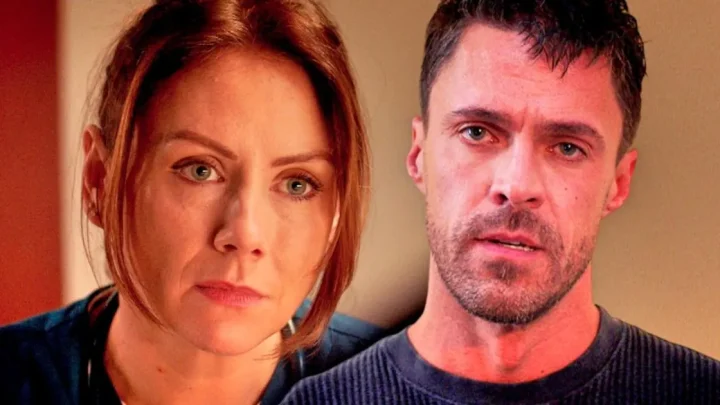
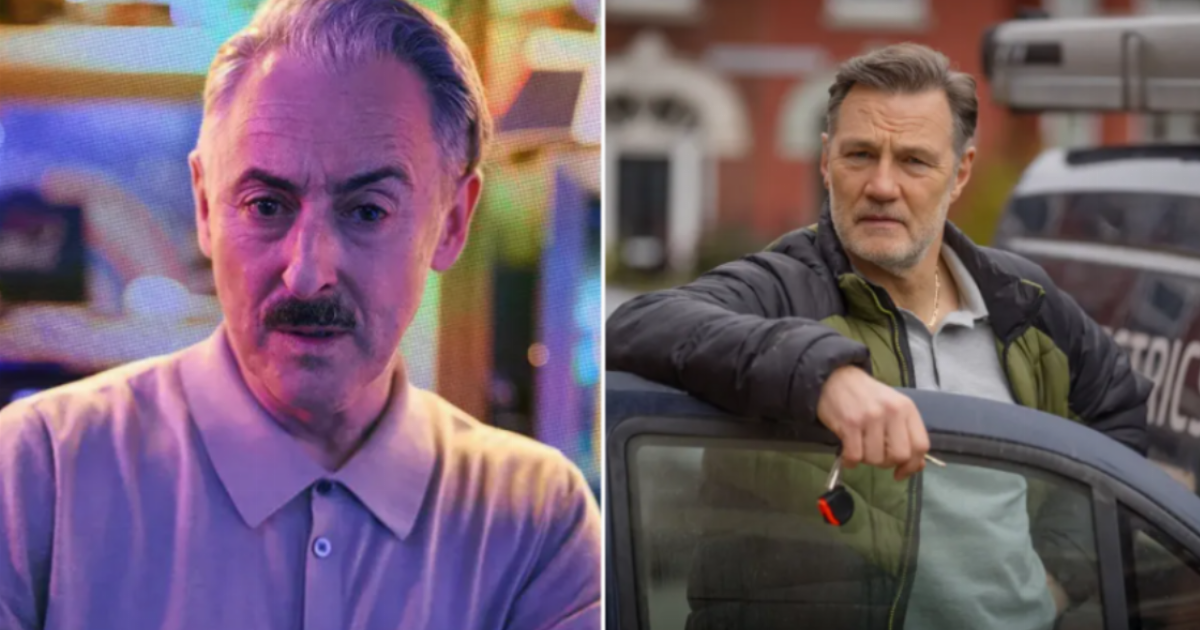
Leo, the central character portrayed by Alan Cumming, becomes a tragic symbol of the dangers faced by LGBTQ+ individuals. His murder at the hands of a mob led by his neighbor Clive, played by David Morrissey, is a chilling representation of how personal conflicts can spiral into violent extremism. The episode’s opening scene—a stark image of Leo’s body hanging from a lamppost—sets the tone for a story that unfolds with relentless intensity.
The series delves into how a small disagreement can escalate into a devastating act of hate, fueled by misinformation, homophobia, and societal intolerance. As viewers piece together the events leading to Leo’s death, they are forced to confront the reality of how quickly fear can turn into violence. The finale, in particular, delivers a gut-wrenching climax that lingers long after the credits roll, capturing the essence of a nightmare that resonates with real-life fears.
“Leo’s death reflects a very real fear shared by many LGBTQ+ people, who worry that same violence and hatred could one day be directed at them.”
The final episode of Tip Toe is not just a dramatic moment—it’s a mirror held up to society. It exposes the fragility of safety for LGBTQ+ individuals and the devastating consequences of unchecked bigotry. For those who have binged the series, the emotional toll is undeniable, as the storyline captures the fear of being targeted by those closest to us.
The show’s impact extends beyond its fictional world. It has sparked a wave of conversations about the rise of LGBTQ+ hate crimes in the UK. According to the Rainbow Map, a global ranking of nations based on their legal protections for LGBTQ+ communities, the UK now sits 22nd out of 49 countries. This decline is stark, especially considering it was once ranked first just 11 years ago. The statistics underscore a troubling trend: visibility of the LGBTQ+ community is increasing, but so too is the prevalence of hate crimes.
“We’re seeing perpetrators do their hate crimes in public and think they’ll get away with it,” explains Ben Kerningham, co-CEO of GALOP, the charity supporting LGBTQ+ victims of hate crimes, domestic abuse, and sexual violence. “They reference people who are openly homophobic or transphobic, and use that as justification for their actions. The entire environment is shaping the way these incidents unfold.”
As technology evolves, so too does the nature of hate crimes. Social media platforms have become breeding grounds for online harassment, which often escalates into real-world violence. “What starts as a joke online can quickly turn into a targeted attack,” says Rach Perry, a representative from GALOP. “The power of social media means people are outed rapidly, leaving them vulnerable in their own homes, especially younger individuals.”
For many in the LGBTQ+ community, the fear of being targeted is a constant presence. “We hear heartbreaking stories from people who’ve recently come out, telling us they wish they hadn’t,” Kerningham adds. “They’re afraid of the backlash, the insults, or even physical harm. The sense that things were improving has been replaced by a growing anxiety that things are worsening.”
The final episode of Tip Toe is not only a turning point in the story—it’s a call to action. As the series concludes, viewers are left questioning how to turn outrage into meaningful change. “Venting on X or Instagram is necessary, but not sufficient,” Perry emphasizes. “Real progress requires tangible steps, like reporting hate crimes, supporting victims, and pushing for stronger policies.”
One of the key challenges is ensuring people understand the resources available to them. “GALOP’s helpline and advocacy services are vital,” Kerningham notes. “But awareness is still a hurdle. Many individuals don’t realize the support systems in place until they need them most.”
While the show’s narrative is fictional, its themes are deeply rooted in reality. The rise of LGBTQ+ hate crimes in the UK is a pressing issue that demands attention. According to recent data, incidents of hate have surged, with Pride flags being torn down almost as swiftly as they’re raised. This cycle of visibility and hostility highlights the urgent need for collective action.
“The link between online and real-world hate is undeniable,” Perry explains. “What begins as a viral post or a comment can snowball into a physical attack. We’re seeing how social media amplifies prejudice, creating an environment where hate is normalized and even encouraged.”
Gallop’s work is critical in addressing these challenges. The organization not only provides immediate support but also works to change long-term attitudes. “We help victims navigate the psychological aftermath of hate crimes,” Kerningham says. “But we can’t do it alone. The community must come together to protect one another.”
For those inspired by Tip Toe, the next step is to take action. Reporting hate crimes, supporting LGBTQ+ individuals, and advocating for policy changes are all essential. “It’s not enough to feel appalled—we need to act on that feeling,” Perry adds. “Every report, every conversation, and every act of solidarity can make a difference.”
As the series concludes, it leaves audiences with a powerful message: the fight against LGBTQ+ hate crimes is ongoing, and it requires more than just empathy. It demands vigilance, education, and a commitment to creating a safer world. Whether through reporting incidents, sharing stories, or pushing for legal reforms, everyone has a role to play in ensuring that Leo’s tragedy is not repeated.
“We’ve got a helpline, we’ve got advocacy, and if the people targeting you are the people next door, we can do what we can to help you move forward.”
The combination of personal stories and societal data paints a clear picture: the UK is at a crossroads. With the support of charities like GALOP and the awareness generated by shows like Tip Toe, there is hope for progress. However, it will take sustained effort to turn the tide and ensure that LGBTQ+ individuals feel safe in their own homes and communities.
Tip Toe’s success lies in its ability to connect with a broad audience, using drama to highlight real issues. By shedding light on the rise of hate crimes and the role of social media in their spread, the series has ignited a conversation that extends far beyond its fictional narrative. For viewers who have been moved by the story, the challenge is to channel that emotion into action, ensuring that the lessons learned from Leo’s death are not forgotten.
Ultimately, Tip Toe serves as a reminder that hate crimes are not just isolated incidents—they are symptoms of a broader societal issue. As the UK’s ranking on the Rainbow Map continues to decline, the urgency to address these challenges becomes even more apparent. The show’s finale is a catalyst for change, urging viewers to take part in the fight for equality and safety.
“Change only happens through action,” Perry concludes. “Whether it’s reporting a hate crime, supporting a loved one, or demanding better protections, every step counts. We can’t let fear dictate our lives anymore.”
With the final episode of Tip Toe still resonating, the question remains: what will audiences do next? The answer lies in the collective effort to combat hate, both online and in the real world.