
Deal reached to end strike at largest US commuter railroad
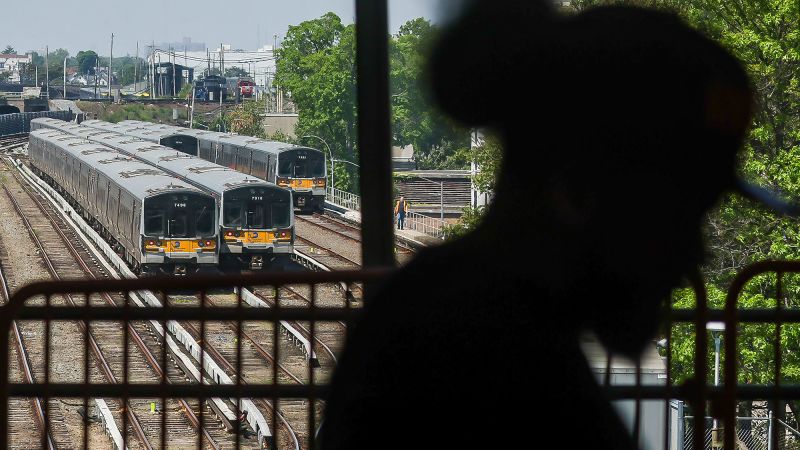
Deal Reached to End Strike at Largest US Commuter Railroad
Strike Resolution After Prolonged Talks
Deal reached to end strike at largest – After a three-day disruption, the labor action at the Long Island Rail Road (LIRR), the nation’s largest commuter rail system, has been suspended following an agreement reached between the unions and management. Governor Kathy Hochul of New York announced the tentative resolution on Monday, emphasizing the compromise as a balance between worker compensation and public transit reliability. The settlement aims to address long-standing concerns over wages, with unions securing raises after years of stagnant pay. However, the final approval hinges on the endorsement of the union members, who must vote on the proposed terms.
The strike began abruptly on Saturday, just hours before the scheduled start of operations, as a result of failed last-minute negotiations between the unions and the Metropolitan Transportation Authority (MTA). The MTA, which oversees the LIRR, had previously expressed frustration with the union’s demands, arguing they were too steep without adjustments to fare structures. Despite the early onset of the walkout, the two parties resumed talks on Sunday, continuing negotiations through the night before finalizing a deal on Monday.
Impact on Commuters and Service Resumption
While the agreement signals an end to the immediate disruption, full service will not be restored in time for the morning rush hour. Hochul stated that phased operations will resume at noon, allowing for a gradual return to normalcy. This adjustment is crucial for ensuring safety and minimizing further delays for passengers. The MTA also advised customers to consider alternative travel arrangements, such as working remotely, during the strike. Shuttle buses were deployed to assist essential workers, but they could only accommodate a fraction of the usual ridership.
“The deal delivers meaningful raises for workers while safeguarding the interests of riders and taxpayers,” Governor Hochul remarked in a post on X, highlighting the agreement’s dual focus on labor and public welfare.
The LIRR, which operates 947 trains daily and serves nearly 300,000 passengers in the New York City region, remains a vital link for millions of commuters. Its role has been particularly critical in the post-pandemic era, as mass transit systems across the country grapple with lingering effects of reduced ridership. According to recent data, the LIRR currently carries approximately 90% of the passengers it did in 2019, underscoring its importance in daily life.
Union Demands and Management Stance
The unions had sought a raise for their members, a demand that has gone unmet since 2022. This push for better pay aligns with broader trends of rising living costs, which have surged to historic levels in recent years. LIRR workers, who reside in one of the most expensive regions of the United States, argued that their compensation should reflect the current economic climate. Management, however, insisted that without a fare increase of up to 8% or additional taxpayer funding, the financial strain on the railroad would be unsustainable.
During the strike, the MTA reported a significant drop in revenue, with last year’s fare income totaling $636 million. The disruption resulted in an estimated loss of $2 million per weekday, placing a financial burden on both the agency and the public. Despite these losses, the unions maintained that the strike was necessary to pressure management into meeting their demands. Hochul had initially criticized the walkout as “reckless,” but her position shifted after two federal panels reviewed the negotiation proposals and sided with the union’s terms.
Broader Context and Future Implications
Analysts note that the strike reflects ongoing tensions between labor and management in the transportation sector. The LIRR, like many mass transit systems, has not yet returned to pre-pandemic passenger levels, making the negotiation process even more delicate. With the new agreement, the focus now shifts to ensuring the terms are ratified by union members. If approved, the deal could stabilize operations and set a precedent for future labor disputes.
For those who rely on monthly passes, the financial impact of the strike will be partially offset through prorated fare refunds. This measure aims to ease the burden on regular commuters while encouraging continued use of the rail system. The MTA has also pledged to review the strike’s effects and adjust its strategies to better support both employees and passengers in the long term.
As the LIRR returns to normal service, the resolution of this labor dispute serves as a reminder of the complex interplay between public transit needs and workforce demands. The successful conclusion of talks may pave the way for improved conditions, but challenges remain in maintaining service efficiency amid rising costs and economic pressures. The outcome of this agreement will likely influence similar negotiations across other commuter rail systems, setting the stage for potential changes in how labor and management collaborate in the transportation sector.
With the strike now paused, the MTA and unions will focus on finalizing the details of the deal. The ratification process will determine whether this compromise becomes a permanent solution or leads to further disruptions. For now, 3,500 workers are set to return to their duties on Tuesday, marking the first step toward restoring the railroad’s full capacity. The agreement underscores the importance of dialogue in addressing the needs of both employees and the public, even in the face of significant financial and operational challenges.
