
Talks raise hopes of progress in strike at America’s busiest commuter railroad
Talks raise hopes of progress in strike at America’s busiest commuter railroad
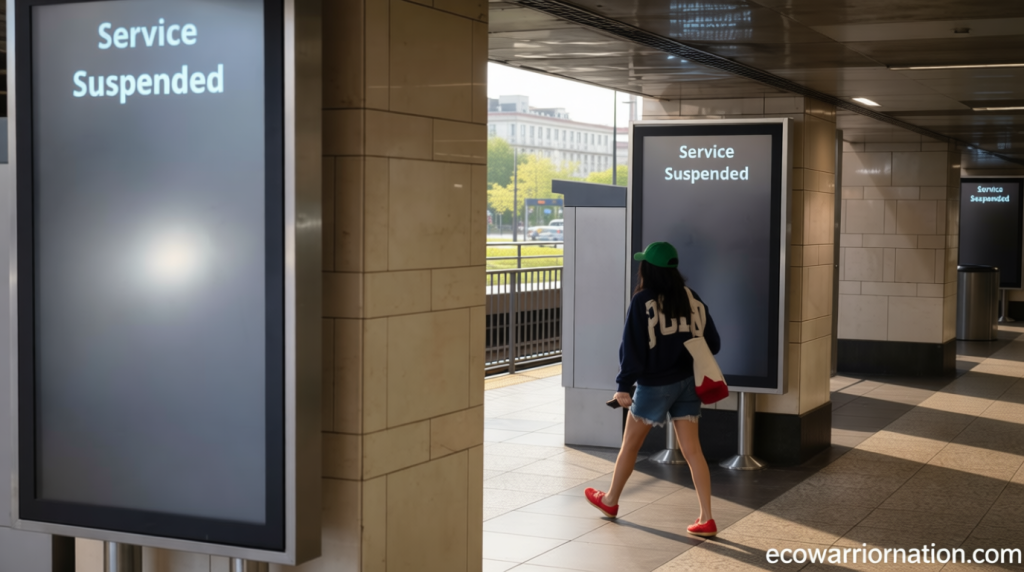
Talks raise hopes of progress in strike – Monday brought travel challenges for New Yorkers as the Long Island Rail Road (LIRR), the nation’s most heavily used commuter line, remained suspended due to a prolonged labor strike. However, there are signs that the situation may improve sooner than expected, with union representatives and the Metropolitan Transportation Authority (MTA) engaging in renewed negotiations. The strike, which began over the weekend, has disrupted daily commutes for thousands of residents, but progress in talks has sparked cautious optimism among stakeholders.
Strike Begins After Last-Minute Talks Fail
The walkout commenced early Saturday, following failed last-minute efforts to avert it. The MTA, which operates the LIRR, and the union groups representing railroad workers had attempted to reach an agreement just hours before the strike began. Now, with five unions participating in the action, the rail system faces its largest disruption in decades. Among those on strike are engineers, signalmen, and machinists, though conductors—also union members—remain on duty and enforce the picket lines.
“It’s much more promising today than it was yesterday,” said James Louis, vice president of the Brotherhood of Locomotive Engineers, in a Monday interview with CNN. “The discussions are moving in a positive direction, and we’re closer to resolving the impasse than we were before.” Louis emphasized that the ongoing negotiations have created a glimmer of hope, despite the continued service disruption.
While the MTA has not yet confirmed whether the strike will end before Tuesday’s rush hour, the agency remains committed to finding a resolution. Janno Lieber, the MTA’s CEO, shared similar sentiments, stating, “The talks yesterday were productive. The folks are working hard. We are headed in a positive direction, but we have to get it finished,” according to a report by CNN affiliate WABC-7 news.
Service Interruptions and Alternative Commuting Measures
The MTA issued a service alert Monday, indicating that all LIRR branches remain halted. Commuters are advised to consider remote work options, as the rail system’s absence will significantly impact daily routines. To mitigate the disruption, the state has announced plans for shuttle buses to transport essential workers from Long Island to Manhattan. These buses will begin running at 4:30 a.m. ET, as per New York Governor Kathy Hochul’s statement on social media.
“We have a plan in place to help essential workers get to the city and minimize disruptions as much as possible,” Hochul said on X. However, she warned that the buses will only carry a fraction of the usual capacity. The MTA noted that the morning service will accommodate 13,000 riders, while the afternoon commute will also see 13,000 passengers—far below the typical numbers that use the LIRR daily.
Mayor Zohran Mamdani echoed concerns about the strike’s impact, stating late Sunday on X, “New Yorkers should plan for heavier-than-usual traffic and additional travel time.” The city is preparing for the ripple effects of the rail shutdown, which includes delays, stranded travelers, and potential economic slowdowns. The LIRR, which transports approximately 250,000 passengers each weekday across 947 trains, is critical for the region’s infrastructure and has been a key focus of the negotiations.
Union Demands and Historical Context
The strike, the first at the LIRR since 1994, reflects long-standing grievances among union members. Workers are seeking a wage increase of 4-5%, their first raise since 2022, amid rising living costs in one of the nation’s most expensive regions. Union leaders argue that the MTA has refused to accept a proposed deal endorsed by two federal panels, which evaluated the parties’ positions during the bargaining process.
“The LIRR is the lifeblood of Long Island. Hundreds of thousands of riders depend on it every day. This strike hurts both the riders who rely on the LIRR and the workers who operate it,” Hochul added, criticizing the walkout as “reckless.” She called for swift action to restore service, highlighting the economic strain on families and businesses.
James Louis, representing the Brotherhood of Locomotive Engineers, stressed that the MTA’s refusal to accept the federal proposal has led to the current standoff. The union claims the MTA has not acknowledged the necessity of a fair wage adjustment, despite the industry’s high operational costs and inflationary pressures. The National Mediation Board, the federal agency overseeing labor disputes in rail and air sectors, has played a pivotal role in the recent negotiations. Representatives from both the MTA and the unions met Sunday afternoon, extending the discussions until nearly 1:30 a.m. ET on Monday, as Louis reported to CNN.
This conflict is part of a broader pattern of labor disputes in the transportation sector. A similar strike at New Jersey Transit last year lasted only three days, suggesting that rapid resolutions are possible when both sides agree to compromise. However, the LIRR’s situation is more complex due to its scale and the number of unionized employees involved. The strike has also raised concerns about the potential for longer-term disruptions, particularly if a deal is not reached by the end of the week.
Broader Implications and the Road Ahead
The strike’s impact extends beyond immediate travel delays, affecting local commerce, school transportation, and emergency services. With the MTA’s latest service alert confirming the full suspension of LIRR operations, commuters are scrambling to adjust their plans. The agency’s decision to deploy shuttle buses underscores the urgency of finding a resolution, but the limited capacity of these alternatives has left many without reliable options.
Despite the challenges, there is a sense of cautious optimism among officials and union leaders. The talks, which resumed Sunday afternoon, have shown progress, with both sides acknowledging the need for a swift agreement. “We are making progress,” Lieber reiterated, adding that the union and management are “close to reaching a consensus.” However, the final outcome remains uncertain, as the negotiations continue through Monday night.
As the strike enters its second day, the focus remains on whether the MTA and the unions can resolve their differences in time for the Tuesday morning commute. The agency has indicated that restarting full operations by then may be difficult, leaving the afternoon service as a potential point of resolution. With the National Mediation Board actively involved and the unions pushing for their demands, the coming hours will determine whether the strike becomes a short-term disruption or a prolonged crisis for New York’s transportation network.
This story has been updated with additional developments as the situation evolves. The MTA continues to monitor the strike’s progress, while commuters prepare for the challenges of a delayed return to normalcy. The outcome of these talks will not only affect the LIRR but also set a precedent for future labor disputes in the rail industry.
