
Raúl Castro indicted in a prosecution that has been in the works for 3 decades
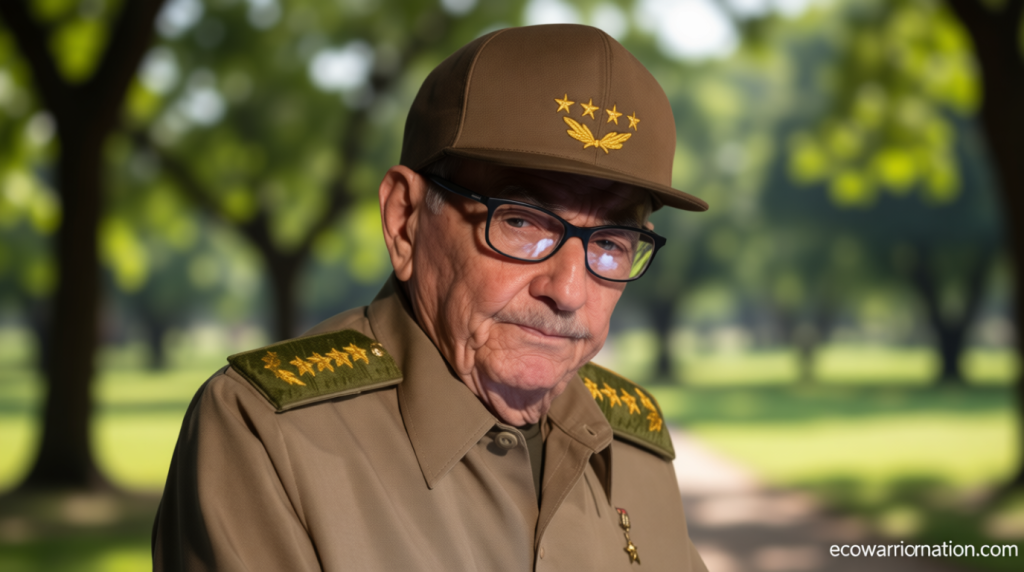
Raúl Castro Indicted in a Prosecution That Has Been in the Works for 3 Decades
Raúl Castro indicted in a prosecution – The Department of Justice’s decision to charge Raúl Castro, the former leader of Cuba, marks the culmination of a legal campaign that has spanned over three decades. Federal prosecutors in Miami first began drafting an indictment against him in the 1990s, targeting his alleged actions as defense minister, which predated his presidency. The formal announcement of the charges came on Wednesday during a ceremony in Miami, coinciding with the annual commemoration of Cuba’s independence by its diaspora community. The case focuses on Castro’s role in the 1996 downing of two civilian planes operated by the Cuban-American group Brothers to the Rescue, an event that claimed the lives of four individuals, three of whom were U.S. citizens.
The 1996 Shootdown and Its Aftermath
During the 1996 incident, two Cuban MiG fighter jets shot down unarmed aircraft flying in international airspace, killing four people. The attack was attributed to Castro and other Cuban officials, who were accused of orchestrating the operation to eliminate members of the Brothers to the Rescue. This act of violence, which targeted a group of Cuban-American activists, became a pivotal moment in the effort to hold Castro accountable. The U.S. Justice Department’s indictment now links Castro to these charges, including conspiracy to kill American nationals, destruction of aircraft, and four counts of murder.
Castro, who is 94 years old, remains outside of U.S. custody as of now. The legal case against him has drawn on evidence accumulated over years, with the 1996 attack serving as a central piece of the prosecution’s strategy. The ceremony in Miami, which honored the victims of the shootdown, highlighted the enduring significance of the event. For many Cuban exiles, this day symbolizes both a historical grievance and a renewed push for justice against Castro, who has long been a figure of controversy in U.S.-Cuba relations.
The Noriega Connection
The groundwork for Castro’s indictment was laid in part by the successful prosecution of Manuel Noriega, the Panamanian leader who was convicted in 1992 of racketeering and drug trafficking. The Noriega case demonstrated how federal authorities could target foreign leaders for their involvement in criminal activities, providing a model for the ongoing efforts against Castro. As Guy Lewis, a former U.S. Attorney in Miami, explained in a telephone interview, the momentum from Noriega’s conviction “frankly redoubled the efforts to move this case forward.” This sentiment was echoed by prosecutors who viewed the Noriega precedent as a catalyst for their own long-term strategy against Castro.
“On the heels of the Noriega case, we frankly redoubled the efforts to move this case forward,” Guy Lewis said.
Years later, Lewis himself contributed to the effort by drafting a detailed seven-page memo outlining a potential case against Castro. This memo, prepared in 2016, was shared with top Trump administration officials, including Secretary of State Marco Rubio. It was initially sent to former Attorney General Jeff Sessions before being presented to President Donald Trump. According to George Fowler, a longtime attorney representing the Cuban American National Foundation, he included Lewis’ memo in a letter to Trump, urging action against Castro. “I’ve been trying to get the Castros indicted since I was 9-years-old,” Fowler stated in an interview with CNN.
Historical Evidence and the Wasp Network
The investigation into Castro’s alleged crimes drew on historical evidence of corruption and covert operations. Prosecutors found that Castro, the brother of Fidel Castro, had received millions in payments from Colombian cartel leaders to protect their drug shipments. This pattern of financial complicity, which emerged during the Noriega case, was used to build a case against Castro’s government. However, the initial push for charges stalled due to shifting political priorities.
When the Miami Herald reported on the draft indictment, it sparked a wave of public scrutiny, but the case still languished. The renewed effort began after the Brothers to the Rescue shootdown, which prompted the FBI to intensify its investigation of the Cuban intelligence network. This network, known as La Red Avispa or the Wasp Network, had embedded agents within Miami’s anti-Castro Cuban community. The group had originally been formed to identify refugees at sea, but its activities expanded to include surveillance and intelligence gathering against the U.S.
The 2000 Trial and Prisoner Exchange
In a 2000 trial, five members of the Wasp Network were convicted of espionage and other charges, including Gerardo Hernandez, the group’s leader. Hernandez, who was serving a life sentence in a U.S. prison, was among those returned to Cuba in a 2014 prisoner exchange. This move sparked outrage in south Florida, where the Cuban-American community is concentrated. “My reaction was anger,” Lewis recounted. “It was like spitting in the face of these families and the memory of these men. Three U.S. citizens who were murdered in cold blood.”
“It was like spitting in the face of these families and the memory of these men. Three U.S. citizens who were murdered in cold blood,” Lewis said.
Despite the exchange, the case against Castro and his associates was not abandoned. Prosecutors continued to explore evidence, including the role of Cuban MiG pilots and a general allegedly responsible for the shootdown. A separate U.S. indictment had already been filed against those individuals, linking them to the attack. The ongoing investigation, however, remained dormant until recent developments reignited the legal battle against Castro.
Renewed Momentum Under Trump’s Leadership
David Buckner, who played a key role in prosecuting the Cuban espionage case, noted that the renewed focus on Castro began after the 2016 presidential election. “We followed the evidence as far as it could take us,” Buckner explained. “We looked at everybody. Our goal was to ensure accountability for the crimes committed during the 1996 incident.” The Trump administration’s stance on Cuba, which emphasized hardline policies and a return to confrontational rhetoric, provided the necessary impetus for the charges to proceed.
The indictment now represents a long-awaited conclusion to a decades-long effort. While the case against Castro has been shaped by historical events and political shifts, its core remains the 1996 attack, which exposed the Cuban government’s willingness to use military force against civilian targets. The legal action not only targets Castro personally but also underscores the broader implications of his leadership, linking it to alleged complicity in organized crime and acts of aggression against U.S. citizens.
As the Justice Department moves forward with its charges, the case serves as a reminder of the persistence required to bring justice to long-standing offenses. The legal battle against Castro has been a test of political will, with evidence gathered over years and reevaluated in light of changing administrations. Whether the charges lead to a conviction or further diplomatic tensions remains to be seen, but the effort to hold Castro accountable has finally reached its tipping point after three decades of preparation.
