
Trump could sign AI executive order as soon as Thursday
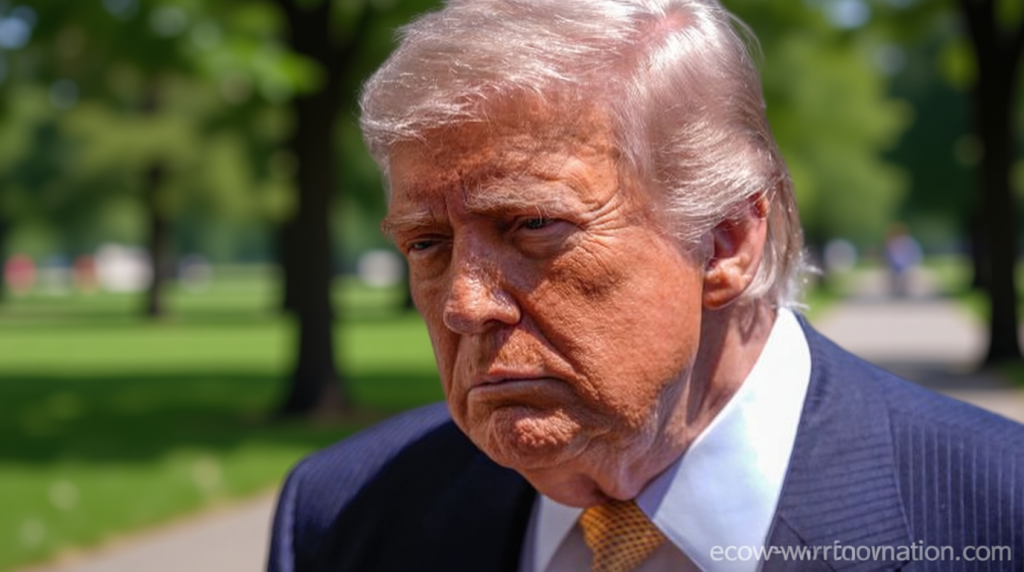
Trump Could Sign AI Executive Order as Soon as Thursday
Trump could sign AI executive order – Sources indicate the White House might unveil an executive order on AI by Thursday, signaling a potential shift in the Trump administration’s approach to regulating emerging technologies. This initiative aims to establish a voluntary review process for new AI models before they are made publicly available. According to insiders, the order would require AI firms to collaborate with government agencies by sharing advanced versions of their models for a specified period prior to launch. The proposal has sparked discussions between industry leaders and federal officials, with differing opinions on the ideal duration for pre-launch evaluation.
Voluntary Review Framework
The draft executive order is divided into two key components: one focused on cybersecurity and another addressing “covered frontier models.” The latter portion specifies which AI models would qualify for the voluntary framework, including criteria for early government scrutiny. A 90-day review period has been proposed in one version, but some companies, such as OpenAI and Anthropic, advocate for a shorter timeline. These firms argue that a faster process would allow them to respond to potential threats more swiftly while maintaining innovation momentum.
Under the cybersecurity section, the White House envisions a “clearinghouse” initiative led by the Treasury Department and other agencies. This clearinghouse would serve as a collaborative platform where AI developers and government officials can identify and address security flaws in unreleased models. The framework also emphasizes the need to expand the US Tech Force, a specialized team of engineers tasked with modernizing federal computer systems. This expansion aims to strengthen the nation’s digital infrastructure against evolving risks.
Experts have stated that advanced AI models can significantly enhance the capabilities of cyberattacks, making an early review critical for mitigating threats. By scrutinizing these models before public release, the government could gain valuable insights into vulnerabilities and implement protective measures in advance.
Despite the progress, the White House has yet to formally comment on the details of the executive order. However, the move reflects a growing urgency to address AI’s potential risks, particularly in the wake of recent developments by major companies. Anthropic, for instance, has been at the forefront of these discussions, unveiling its Mythos model which it claims can exploit cybersecurity weaknesses at an unprecedented rate. While the model remains unreleased to the public, Anthropic is offering early access to a select group of partners through its Project Glasswing initiative.
This controlled access program allows participating organizations to evaluate the model’s capabilities and prepare their defenses. Anthropic’s collaboration extends to federal, state, and local representatives, ensuring a broad range of perspectives in the review process. Similarly, OpenAI has been granting early access to its latest models to businesses and governments, enabling them to bolster their cybersecurity protocols. These efforts underscore a shared interest in preemptively addressing AI-related risks.
Context of the Trump Administration’s Approach
Until recently, the Trump administration adopted a relatively hands-off stance toward AI regulation. However, the release of Anthropic’s Mythos model has prompted a more proactive response. The company’s claims about the model’s advanced threat capabilities have intensified pressure on the White House to establish a structured review process. While the exact timeline for the executive order remains under discussion, the administration is positioning itself to balance oversight with industry flexibility.
The Department of Commerce’s National Institute of Standards and Technology (NIST) had previously announced a plan for tech companies to share unreleased AI models with the government for evaluation. This initiative was tied to national security and public safety concerns, but the announcement is no longer accessible on the Commerce Department’s website. The absence of the statement suggests that the White House may be refining or replacing the initial proposal with its own framework.
Key players in the AI sector, including OpenAI and Anthropic, have been actively engaging with policymakers to shape the details of the executive order. Their input has influenced the debate over the review period, with some firms pushing for a 14-day window to expedite deployment. This compromise highlights the administration’s attempt to accommodate both regulatory needs and industry demands for speed. The voluntary nature of the agreement is intended to reduce friction, but it also leaves room for companies to opt out if they perceive the requirements as burdensome.
As the executive order nears finalization, its impact on AI development and cybersecurity strategy will be closely watched. The 90-day review period, if implemented, could serve as a benchmark for future oversight efforts. Meanwhile, the clearinghouse concept offers a centralized approach to vulnerability management, potentially streamlining the process for government and private sector collaboration. However, the success of this model depends on the willingness of companies to participate and share sensitive information.
Implications for National Security
Proponents of the order argue that early government involvement is essential for protecting critical infrastructure from AI-driven threats. With the increasing sophistication of cyberattacks, models capable of exploiting vulnerabilities pose a significant risk. By requiring companies to submit their advanced models for review, the administration hopes to identify potential weaknesses before they are deployed on a large scale.
The voluntary framework is designed to encourage rather than mandate participation, allowing firms to contribute to national security efforts without facing immediate compliance penalties. This approach aligns with the Trump administration’s emphasis on voluntary agreements, which have been used in past regulatory initiatives. However, the effectiveness of the framework may hinge on the level of engagement from major AI developers. Companies like OpenAI and Anthropic are expected to play a pivotal role in this process, given their influence in the industry.
While the order is still in development, its potential implementation marks a significant step in AI governance. The Trump administration’s focus on cybersecurity reflects a broader concern about the technology’s dual-use potential, both for innovation and for malicious purposes. As the executive order moves forward, it will be crucial to assess its alignment with the administration’s priorities and its ability to address the rapidly evolving AI landscape.
Experts remain divided on the order’s long-term impact. Some view it as a necessary step to ensure AI models are secure and reliable, while others worry about its limitations. The 90-day review period, for example, may not be sufficient to address all potential risks, especially as AI capabilities continue to advance. Nevertheless, the initiative represents a strategic effort to integrate government oversight with industry innovation, setting a precedent for future regulatory actions.
As the final details are ironed out, the White House is likely to finalize the order by Thursday. This timeline allows for last-minute adjustments and ensures that the administration can announce its stance in a timely manner. The executive order’s success will depend on its ability to foster collaboration, enhance security, and adapt to the dynamic nature of AI development. With the Trump administration now more actively involved in AI regulation, the coming weeks will be critical in shaping the nation’s approach to this transformative technology.
