
An unintended consequence of US immigration policy: Some fans are skipping the World Cup in the US
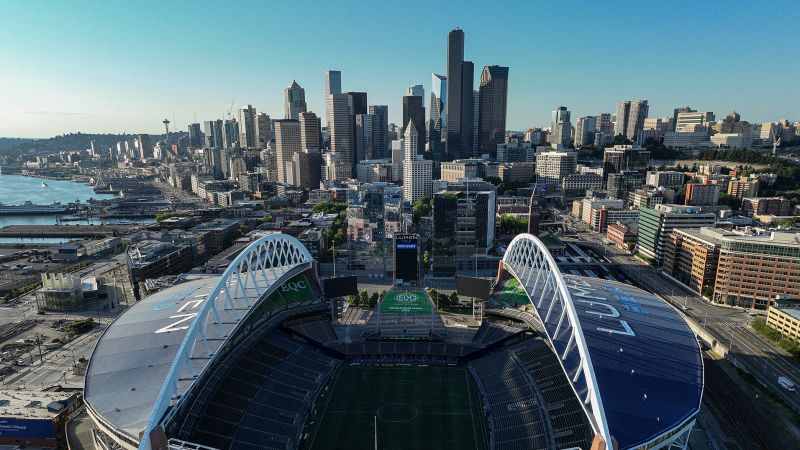
An Unintended Consequence of US Immigration Policy: Some Fans Are Skipping the World Cup in the United States
A Growing Trend Among International Supporters
As the 2026 FIFA World Cup approaches, a wave of international fans is choosing not to attend the games in the U.S. This shift is driven by concerns over immigration enforcement and broader political tensions. Steve Schwarzbach, a dedicated supporter from Frankfurt, Germany, has been to every World Cup since 2006. He had no issues traveling to South Africa or Brazil, where he felt secure due to the visible presence of security forces. But this year, he opted to skip the U.S. games, citing a newfound sense of vulnerability.
Boycott Decisions and Racial Profiling Fears
Schwarzbach, who identifies as half Korean and half German, worries about his mixed heritage making him a target. “You see the ICE people going around and just pulling people from the streets just because they look foreign,” he explained to CNN Travel. “You don’t get the feeling that anybody would protect me.” His decision to stay away reflects a broader anxiety among fans about potential risks during the event. Despite being a Participating Member Association (PMA) Supporter—individuals who pay membership fees and attend both home and away games—Schwarzbach felt the risk was too high.
“I look more Asian than German,” he said. “I wouldn’t feel safe.”
Political and Social Factors Influencing Attendance
The controversy extends beyond personal fears. Recent ICE raids in immigrant communities and reports of federal agents monitoring social media activity have heightened concerns. Trump’s travel ban, which targets 39 countries, further complicates matters for fans from regions like Africa and the Middle East. Canadian software developer Omar Hassan, who has tickets to two matches in Boston and New York, plans to resell them. His cousin, a Tanzanian national, is among those affected by the partial restrictions, prompting Hassan to abandon the U.S. trip and focus on Toronto instead.
Support for the Boycott Movement
Boycott efforts have gained traction online. A petition in the Netherlands amassed over 174,000 signatures, urging the national team to withdraw. Meanwhile, a Facebook group titled “Boycott FIFA World Cup 2026 in USA” has drawn more than 25,800 members. Discussions on social media platforms and forums are filled with pledges to skip matches, with some vowing not to watch the games on television. Ex-FIFA president Sepp Blatter has even endorsed fan-led boycotts, while Oke Göttlich, a German club president and vice chairman of the German Football Association, has hinted at considering a team withdrawal.
Uncertainty About the Tournament’s Future
With the U.S. co-hosting the World Cup alongside Canada and Mexico, the event’s success hinges on its ability to address these concerns. Fans like Schwarzbach and Hassan highlight the intersection of sport and politics, raising questions about how the tournament will unfold amid rising tensions. As the dates from June 11 to July 19 draw near, the impact of these fears on attendance and global support remains to be seen.
