
$12.5 billion ‘down payment’ brings air traffic control out of 1990s. Now, more money is needed for new software and AI
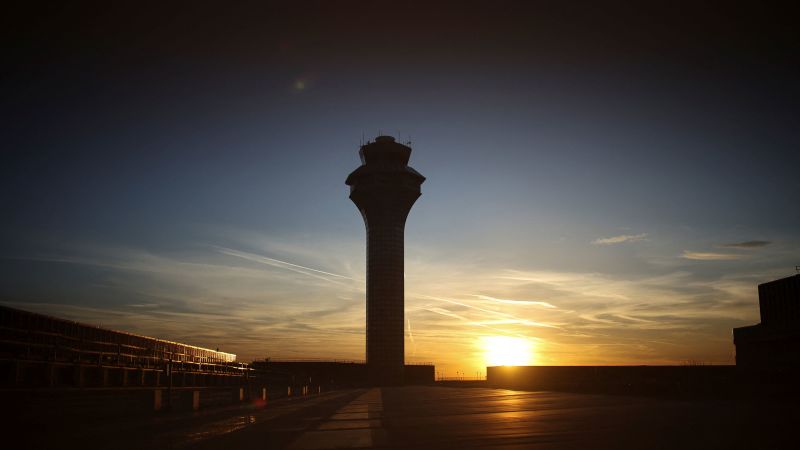
U.S. Air Traffic Control System Gets Major Overhaul with $12.5 Billion Investment
The Department of Transportation is phasing out outdated paper strips, copper wiring, and floppy discs, marking a significant shift from the system’s 1990s origins. However, officials stress that this initial funding is just the beginning, with additional resources required to fully modernize the infrastructure and implement advanced technologies such as AI and digital tools. At a press event at DOT headquarters, the agency highlighted its progress over the past year since announcing the upgrade plan, though more financial support remains critical, according to Transportation Secretary Sean Duffy.
Progress and Challenges Ahead
Duffy emphasized that the $12.5 billion allocated by Congress through Trump’s spending bill is a “down payment” on the broader modernization effort. “We’ll need more funds to develop and deploy the software components,” he explained, addressing reporters and officials. “Congress must create a pathway to secure the remaining money. It will take time to build, test, and train on these systems.”
“We were given $12.5 billion, but Congress was very specific about how it had to be used,” said Rebecca Guy, acting chief technology officer at the FAA. “This creates a safer, faster, and reliable network.”
Recent accidents and near-misses have intensified pressure on the aging system. A fatal crash last month involved an Air Canada regional jet colliding with a fire truck on a runway at New York’s LaGuardia Airport, with the National Transportation Safety Board investigating the cause. Last year, a military helicopter crash at Ronald Reagan Washington National Airport claimed 67 lives, and the NTSB attributed the incident to “degraded performance due to high workload” among controllers.
Replacing Legacy Systems
Since the approval of Trump’s spending bill, nearly half of the copper wiring in the air traffic control network has been replaced, with over 270 radio sites converted to digital systems. Seventeen control towers have transitioned to electronic flight strips, while 4,500 FAA facilities are set to receive new radars, voice switches, and training equipment. Peraton, the contractor overseeing the upgrade, is focusing on modernizing wires, communication networks, radars, and electronic strips.
“Communications aren’t as smooth as they should be,” Guy noted. “Static causes issues. The old voice switches are not as reliable, and we need reliability for our people.”
Many radars used to track aircraft location and altitude date back to the 1970s, making parts scarce and maintenance difficult. The FAA is also replacing paper strips with electronic alternatives to enhance real-time data access, allowing controllers to focus more on managing flights. “Using paper strips today often means controllers are doing administrative tasks like passing or counting strips,” Guy stated. “This can reduce situational awareness.”
Industry and Union Perspectives
Nick Daniels, president of the National Air Traffic Controllers Association, called the upgrades long overdue. “Air traffic control is about saving seconds,” Daniels said. “Every chance to save a second helps ensure the safety of the American public. Having new information at our fingertips is what makes a difference.”
The DOT aims to complete the full overhaul by the end of 2028. While progress has been made, the timeline remains tight, and continued investment is essential to fully realize the system’s transformation.
