
Here’s what Trump’s Fed pick could have in store for the world’s most powerful central bank
Here’s what Trump’s Fed pick could have in store for the world’s most powerful central bank
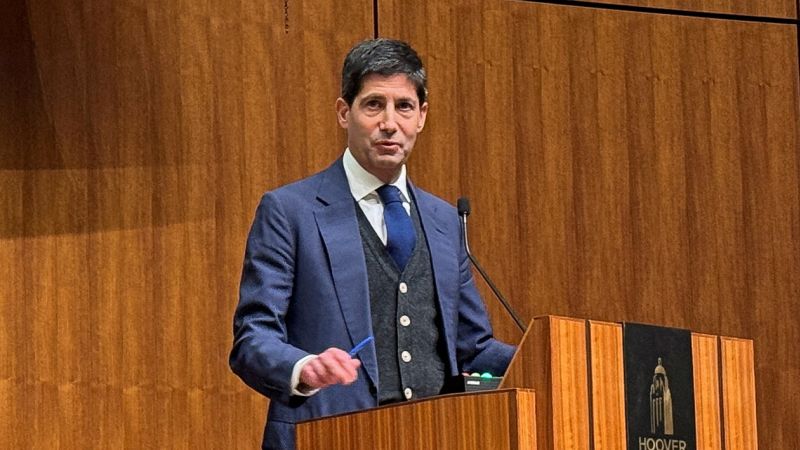
Tuesday’s Senate Banking Committee hearing marks a pivotal moment as Kevin Warsh faces scrutiny over his potential influence on the Federal Reserve. The nominee, set to replace Jerome Powell, has long argued that the central bank has overreached, but recent statements hint at a shift in strategy. This test will reveal how his approach might align with or diverge from current monetary policy frameworks amid global economic turbulence.
Warsh’s Policy Vision
Warsh, who served as the youngest-ever Fed governor from 2006 to 2011, has emphasized the need for a more restrained central bank. His critiques of expansive measures taken post-2008 crisis suggest a preference for tighter control over monetary tools. The hearing will provide a platform for him to outline his vision for the Fed’s future, particularly its balance sheet management and communication strategy.
“The Fed’s bloated balance sheet, designed to support the biggest firms in a bygone crisis era, can be reduced significantly,” wrote Warsh in a November Wall Street Journal piece.
Warsh’s stance on the Fed’s $6.7 trillion portfolio reduction is central to his agenda. Many analysts believe sustaining lower borrowing costs without triggering a credit crisis may prove challenging. During the Great Recession, former Chair Ben Bernanke’s asset purchases were seen as a necessary response, yet subsequent expansions sparked debate about their long-term effects.
Global Economic Uncertainties
As the U.S.-Israel war with Iran intensifies, Warsh’s views on interest rates could shape the Fed’s response. Would rate cuts bolster a struggling economy, or should hikes counter energy-driven inflation? Trump, who backed Warsh’s nomination, anticipates a focus on lowering borrowing costs, a policy direction the Fed has historically resisted due to its independent nature.
The Fed’s balance sheet, which expanded to nearly $9 trillion by May 2022, has been gradually contracted since then. However, Warsh has argued that further reductions are essential to achieving lower rates. His plan may involve collaboration with the Treasury Department, though Secretary Scott Bessent recently dismissed the idea of a new Treasury-Fed Accord.
With the Consumer Price Index surging in March to the fastest monthly increase since 2022, the timing for rate cuts remains contentious. Bessent acknowledged last week that the Fed should observe the Iran conflict’s impact before deciding on policy. Warsh’s silence since his nomination has left questions about whether he now shares Bessent’s caution or remains committed to his original stance.
