
Nearly a third of National Park island home to rare wildlife has burned in spate of Southern California wildfires
Nearly a Third of National Park’s Santa Rosa Island Lost to Southern California Wildfires
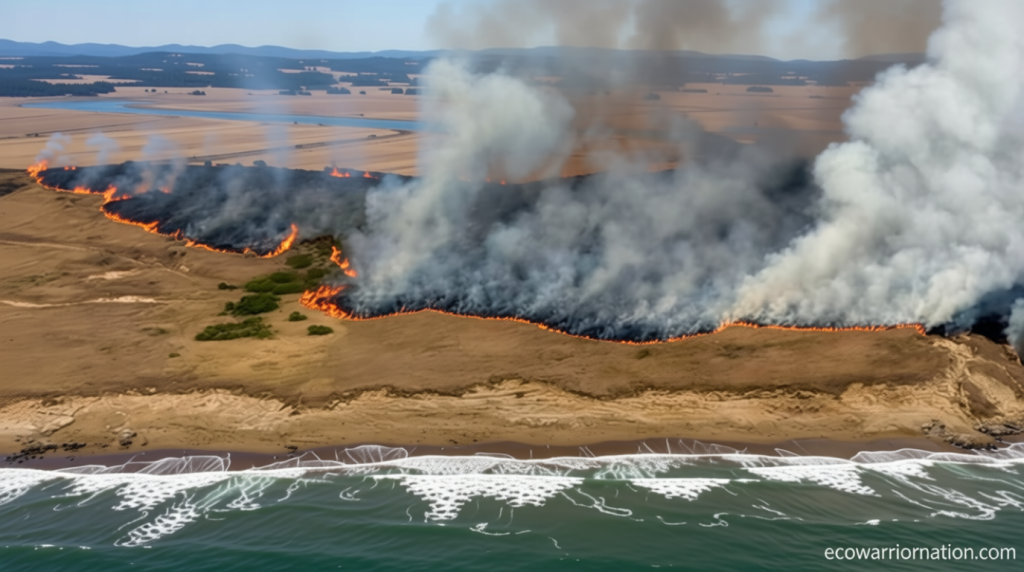
Nearly a third of National Park – Santa Rosa Island, a unique habitat within Channel Islands National Park, has seen nearly a third of its land consumed by wildfires in Southern California. The blaze, which began on Friday, has expanded to approximately 17,000 acres by Tuesday, according to the California Department of Forestry and Fire Protection. As of now, the fire is 26% contained, but its swift spread has disrupted the island’s fragile ecosystem and led to urgent response actions.
Evacuation and Threat to Endangered Species
The National Park Service has evacuated 11 employees from the island, and the site is currently closed to visitors. Two historic structures have been destroyed, further threatening the island’s cultural and natural heritage. Local officials stress the importance of these species, which have evolved in isolation over thousands of years, and warn of potential extinction if the fire continues unchecked.
Nearly a third of National Park’s Santa Rosa Island has been impacted, particularly endangering rare species like the Torrey Pine trees. These critically endangered native plants are found only on Santa Rosa Island and a small reserve near San Diego, making the fire’s spread a major concern. Firefighters are preparing to evaluate the damage to the pine grove on Wednesday, as the National Park Service assesses the broader ecological consequences.
Geographical Isolation and Biodiversity
The Channel Islands, including Santa Rosa, are often compared to the Galápagos due to their isolation, which has led to the development of distinct species. The island alone is home to 46 endemic plants and animals, many of which are found nowhere else. The loss of nearly a third of National Park’s land highlights the fragility of these ecosystems and the urgency of conservation efforts.
Other wildfires in Southern California have intensified the crisis. The Bain Fire in Riverside County has forced over 700 residents to evacuate, with 18,800 under warnings. Four people were injured, including one with a traumatic wound. Meanwhile, the Sandy Fire in Ventura County has displaced nearly 44,000 individuals, demonstrating how interconnected the region’s wildfire challenges are.
Human-Caused Origins and Investigative Steps
Authorities have determined the Santa Rosa Island fire originated from human activity, though the exact cause remains under scrutiny. The National Park Service leads the investigation, supported by the Coast Guard Southwest District. On Friday, the Coast Guard also rescued a 67-year-old sailor after his boat hit rocks, with a social media post featuring the “SOS” letters in the burned area adding a dramatic element to the incident.
“The National Park Service is working closely with the Coast Guard to identify the fire’s source,” stated spokesperson Kenneth Wiese to CNN. “This is a critical step in understanding how such a large area was affected so quickly.”
Regional Fire Impact and Containment
Despite the Santa Rosa Island fire being the most severe, other blazes in the region have also caused significant disruption. The Verona Fire has injured two firefighters and one civilian, while the Tusil Fire in eastern San Diego County has covered 800 acres and reached 55% containment. Cal Fire reports indicate that improved wind conditions on Tuesday helped slow the fire’s growth, but the situation remains volatile.
As the Santa Rosa Island fire continues, its consequences extend beyond immediate destruction. Nearly a third of National Park’s land loss raises questions about the long-term survival of species adapted to the island’s unique environment. Recovery efforts will focus on assessing damage, protecting remaining habitats, and preventing future wildfires from threatening this critical area of biodiversity.
