

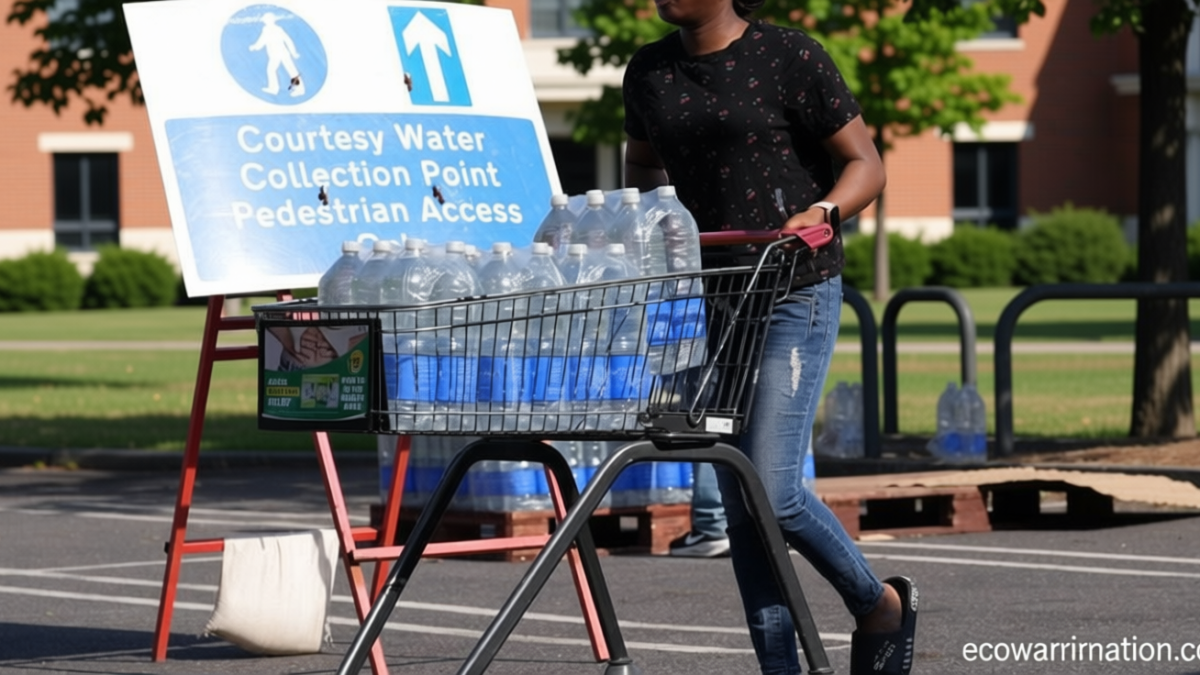
Thousands in UK forced to queue up for water after supply hits ‘critical level’
Water Crisis in Whitstable
Thousands in UK forced to queue – Residents of Whitstable are grappling with a severe water shortage as local reservoirs have reached a ‘critical level’ amid the ongoing heatwave. The situation has left thousands unable to access tap water, forcing them to line up at bottled water collection points. On the day of the report, a Sainsbury’s store in Kenttown saw long lines of people waiting for water, with South East Water stating that 8,000 customers were affected by the disruption.
The water company has issued a plea for customers to limit their usage to essential tasks, such as drinking, washing, and cooking. This advice comes as the supply issues persist from the scorching heat of the previous bank holiday weekend. Steve Benton, the incident manager at South East Water, noted that the tap water supply in Whitstable is expected to resume later on Thursday, though it may remain inconsistent throughout the weekend.
South East Water’s Response
Residents in the affected areas have expressed frustration over the ongoing outages, with Kent County Council announcing plans to increase public oversight of water supply, quality, and infrastructure. The council’s statement highlights the need for transparency following a series of outages that have left communities struggling to meet basic needs. Council leaders emphasized that while they lack direct control over water companies, they are committed to advocating for better service in Kent.
South East Water’s incident manager, Steve Benton, explained that the demand for water has surged due to the extreme weather conditions. ‘We are doing everything possible to replenish our storage reservoirs with treated water, but some customers will continue to face inconsistent supply until these levels are restored,’ he said. The company reported that 628 million litres of water were delivered to customers on Wednesday alone, with over 100 million litres pumped in excess of the average for May during the weekend.
Extended Impact Across Kent
The crisis has spread beyond Whitstable, affecting 7,000 customers in Tankerton, Ashford, and surrounding areas. These include towns like Ulcombe, Cranbrook, Coxheath, and Headcorn, where low pressure or intermittent water supply has become a common issue. Mr. Benton added that another 7,000 customers could face partial or complete loss of supply on the same day, underscoring the urgency of the situation.
As the heatwave continues, the strain on water resources has intensified. The company is working to stabilize the supply, but challenges remain. In addition to the immediate effects, the situation has reignited concerns about the long-term resilience of the region’s water infrastructure. Local authorities and experts are calling for proactive measures to prevent future disruptions, especially as the summer months approach.
Leadership Changes and Public Scrutiny
The current crisis follows a series of leadership changes within South East Water. Earlier this month, the company’s chief executive, David Hinton, announced his intention to step down just weeks after the chairman, Chris Train, resigned following a critical report by MPs. The report had highlighted a lack of confidence in the company’s leadership, prompting internal restructuring and heightened scrutiny.
Residents have been left in a difficult position, with some unable to access tap water, shower, or even flush toilets during the outages between November and January. This has contributed to a growing sense of dissatisfaction among the public. Kent County Council’s decision to establish a new ‘strategic partnership’ to address water resilience reflects this mounting pressure. The partnership will be chaired by council leader Linden Kemkaran and will involve collaboration between water companies, local authorities, regulators, and other stakeholders.
The strategic partnership aims to focus on planning, performance, and transparency, ensuring that water issues are publicly addressed. Council officials hope this initiative will improve the county’s ability to manage water resources effectively, especially in the face of climate-related challenges. Mr. Kemkaran emphasized the council’s commitment to holding water companies accountable while working to secure long-term solutions for the community.
Broader Implications for Water Management
The incident has sparked broader discussions about the adequacy of water management strategies in the UK. With the current heatwave pushing reservoir levels to their limit, experts are questioning whether the existing infrastructure can sustain high demand during prolonged periods of extreme weather. The situation in Whitstable serves as a stark reminder of the vulnerabilities in the region’s water supply system, particularly in areas reliant on seasonal rainfall.
South East Water’s efforts to address the crisis include not only emergency measures but also long-term planning. The company is working to expand its storage capacity and improve distribution networks to prevent similar outages in the future. However, with the recent leadership changes, there are concerns about whether the company will be able to maintain its focus on these critical initiatives.
Local residents have taken to social media to share their experiences, with many describing the inconvenience of the water shortages. ‘It’s been stressful having to wait in line for basic supplies,’ said one local. ‘We need to make sure this doesn’t happen again during the summer.’ These sentiments align with the council’s push for greater accountability and resilience in the water sector.
Looking Ahead
As the heatwave shows no signs of abating, the challenge of maintaining a stable water supply becomes increasingly complex. The Kent Water Resilience Partnership will play a crucial role in coordinating efforts between different stakeholders, ensuring that the region is better prepared for future crises. This includes investing in infrastructure upgrades, monitoring water usage patterns, and implementing contingency plans during peak demand periods.
Residents are urged to remain vigilant and adapt to the current situation. While the immediate crisis may be easing, the long-term implications of the heatwave and water shortages could have lasting effects. The company and local authorities are working together to address these issues, but the success of their efforts will depend on effective communication and timely action.
For those affected, the situation highlights the importance of water conservation and preparedness. With the potential for further outages, it is essential for individuals and communities to take proactive steps in managing their water resources. The experience in Whitstable serves as a cautionary tale for other regions facing similar challenges due to climate change and increasing demand.
As the partnership begins its work, the goal is to create a more robust and responsive water management system in Kent. This will require collaboration, innovation, and a commitment to public service. The crisis has brought the issue of water security to the forefront, prompting a renewed focus on ensuring that all residents have access to reliable and sustainable water supplies.
‘Customers across Kent are still experiencing water supply issues due to extremely high demand during the very hot weather.’ – Steve Benton, South East Water incident manager
With the region’s water companies under increased scrutiny, the pressure to deliver reliable service has never been higher. The recent outages have not only tested the limits of the infrastructure but also the ability of leadership to respond effectively. As the Kent Water Resilience Partnership takes shape, the hope is that it will serve as a model for other areas facing similar challenges in the UK.
Residents are encouraged to stay informed and prepared. South East Water has launched a campaign to raise awareness about the current situation and how individuals can contribute to conserving water. The council has also pledged to monitor the progress of the partnership and ensure that the needs of the community are met. While the road to recovery may be long, the combined efforts of the company and local authorities offer a path toward more resilient water management in the region.
For more information on the latest developments in the water crisis, residents can stay updated through Metro’s News Updates newsletter or receive breaking news alerts directly on their phones. The situation in Whitstable is a reminder of the importance of water security, and the steps being taken now will shape the future of water supply in Kent and beyond.
This site is protected by reCAPTCHA and the Google Privacy Policy and Terms of Service apply. Your information will be used in line with our Privacy Policy.